





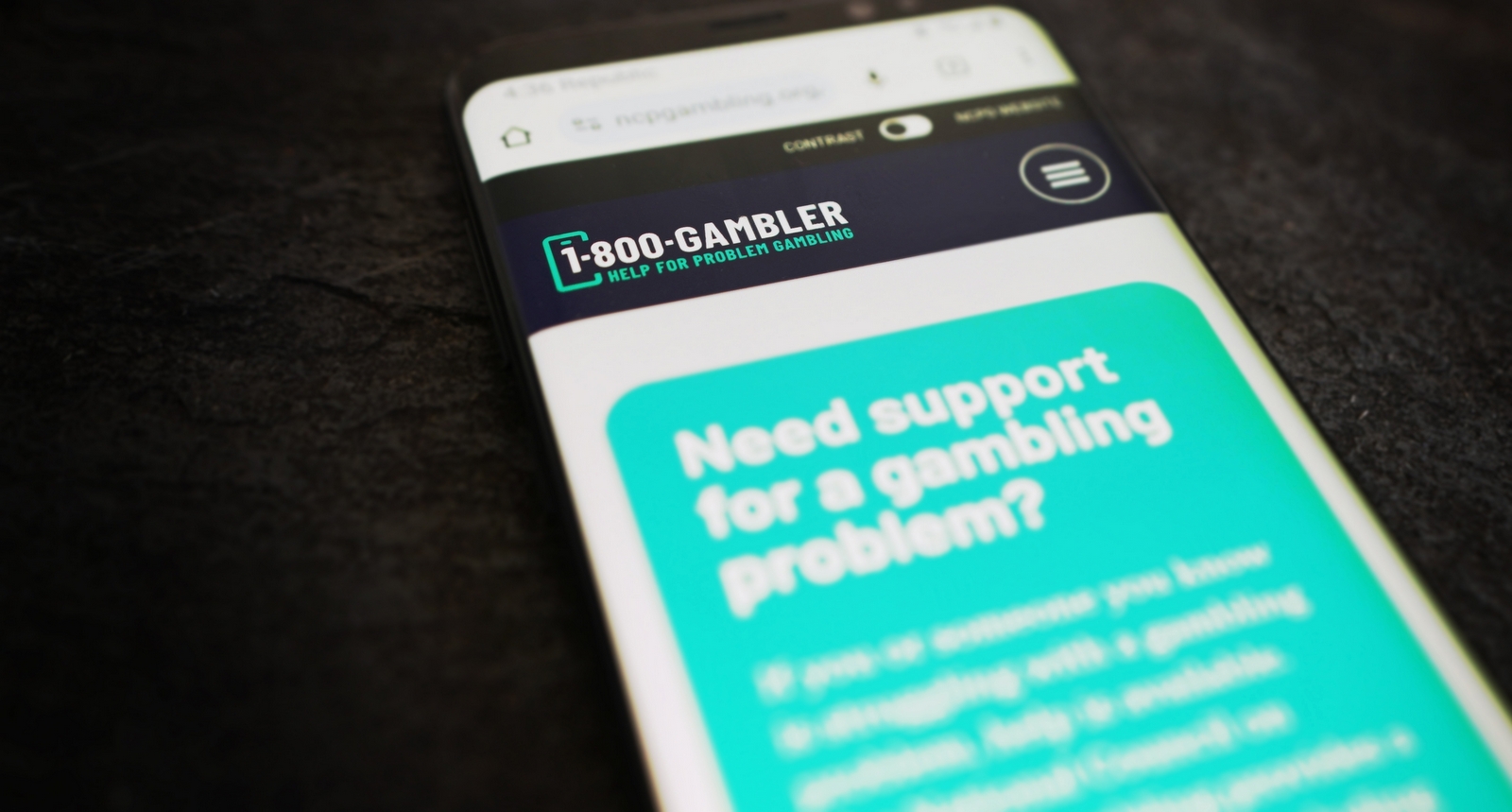
While Kalshi and Polymarket continue to claim they’re not sports betting, the head of National Council on Problem Gambling (NCPG) says prediction markets are indeed “gambling.”
NCPG board President Derek Longmeier released a statement Tuesday on the growth of the industry. Kalshi donated $2 million and joined the organization in June. The NCPG created a new financial services subcategory for the firm.
That resulted in some state gaming regulators severing ties with the organization, including in Ohio and Michigan. Jaime Costello, the NCPG’s director of programs, resigned immediately after Longmeier released his statement Tuesday.
The Same Gambling Risks
In his statement, Longmeier outlined the organization’s views on the industry.
“Prediction markets have moved rapidly to a mainstream product used by millions of Americans,” Longmeier said. “Regardless of how prediction markets are currently legally defined, NCPG believes it is functionally gambling and can expose consumers to many of the same risks and harms associated with traditional gambling.
“We’ve been clear about this well before we launched our Financial Trader Health and Safety Initiative earlier this year. And the exposure today – in scale, in speed, and in reach to new and often young users – is unprecedented. NCPG is neutral on whether prediction markets should be legal. We are not neutral on the need to prevent and reduce gambling-related harm wherever it occurs.”
Prediction markets generally view their products as different from traditional sports betting and more in line with other types of financial markets.
Members Leave NCPG
The statement comes as some state chapters and NCPG board members have expressed concerns about including prediction markets.
The Nevada chapter ended its affiliation with the group in August.
“After months of discussion, we’ve concluded that this is not simply a disagreement about one company,” Nevada Council Executive Director Trey Delap told the Nevada Current. “It reflects a fundamental difference in how we believe a problem gambling organization should respond to emerging gambling risks.”
Regulatory boards in Michigan and Ohio also cut ties with the NCPG after it allowed Kalshi to join.
The Massachusetts Gaming Commission considered leaving, but it stopped short and said it will continue to monitor the situation.
The Evergreen Council on Problem Gambling also recently ended its 35-year affiliation with NCPG. The council claimed Longmeier accepted the donation from Kalshi without seeking approval from the NCPG board.
Longmeier Says Most Americans Support His Views
In his statement, Longmeier defended Kalshi’s membership.
“NCPG’s position that prediction markets carry gambling-related risks is supported by broad public sentiment,” Longmeier said.
“A recent Harris Poll conducted on behalf of NCPG found that 85% of Americans agree people can develop unhealthy or addictive behaviors related to prediction market platforms, while 84% believe these platforms should be treated similarly to gambling when it comes to consumer protections.”
The board president added that many Americans are experiencing “real financial, emotional, and relationship consequences as a result of prediction markets.”
Prediction markets have faced increased scrutiny from state gaming regulators over the last two years because of the companies’ sports offerings. Criticism has also come at the federal level
Prediction market firms argue that the Commodity Futures Trading Commission regulates them solely at the federal level. The commission has attempted to assert that control through a series of lawsuits. Earlier this month, the state of New Jersey asked the Supreme Court to take up the issue.