







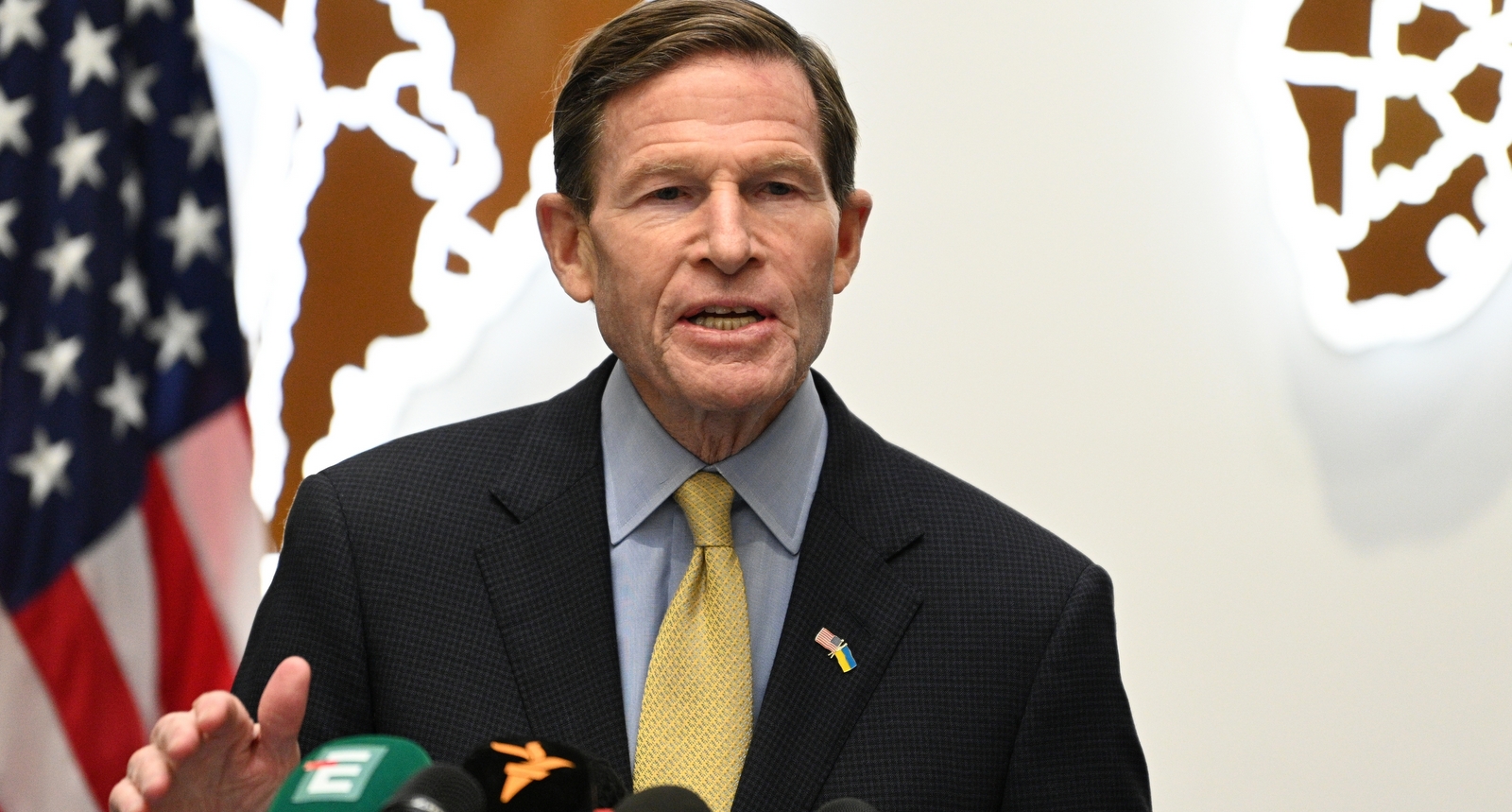
Sen. Richard Blumenthal (D) is pressing major American pro sports leagues on game integrity, gambling addiction prevention, their efforts to protect athletes, and compliance with state laws in any partnerships with prediction markets.
The senator sent letters to commissioners of the NFL, MLB, NBA, NHL, and the MLS, along with the NCAA, outlining his concerns. Blumenthal, who has introduced a bill banning prediction market trading on most sporting events, is concerned about leagues reaching deals with these platforms.
MLB reached a deal with Polymarket in March and the NHL announced partnerships with the same company and with Kalshi in October. The UFC and MLS also have deals in place with prediction market firms.
“The MLB’s financial and operational partnership with Polymarket and FanDuel provides the league’s official blessing to gambling’s ugly takeover of sports and bolsters its marketing, wagering, and legitimacy,” Blumenthal wrote in his letter to MLB commissioner Rob Manfred.
“Fans are taking notice of this and its detrimental effects: according to polling, 47% of men under 30, one of the most likely groups to wager, say legal sports betting is a bad thing for society.”
Seeking Restrictions On Sports Betting, Prediction Markets
Along with his criticism of prediction markets, Blumenthal has also been a critic of sports betting. In 2024, he and Rep. Paul Tonko (D) introduced a bill that would restrict sports betting advertising, ban bonus bets, and eliminate prop bets on college sports.
The bill would also create a federal self-exclusion list, limit the use of artificial intelligence to track bettors’ habits, and put the Justice Department in charge of approving all 38 states with legal sports betting.
Blumenthal said that continued advertising for both sports betting and prediction markets creates more gambling addicts. He urged leagues to end their deals with sportsbooks and prediction market firms.
“Potential branding rights and placement for gambling operators and gambling service providers make it impossible for fans to avoid constant reminders about gambling, which is especially dangerous for problem gamblers,” the senator noted in the letter to Manfred.
“Access to league and teams’ data could also fuel wagers, including microbets and prop bets that encourage addiction and are prone to fraud. The MLB should refrain from any partnerships and cut ties with gambling operators and gambling service providers that undermine the game, support strict state and federal oversight, and ensure that any contracts require strong safeguards and enforcement against addiction, fraud, and exploitation.”
Concerns Focus Mainly On Micro-bets, Prop Bets
While Blumenthal points to micro-bets and prop bets as a problem, prediction markets generally don’t offer this type of trading and users are betting against each other.
The platforms generally feature broader questions about an event rather than the outcome of a certain pitch or moment in a game because there wouldn’t be sufficient liquidity or time for users to move in and out of positions. In traditional sports betting, bettors are wagering with the house.
Concerns over micro-bets and prop bets have grown over the last few years after major betting scandals involving MLB pitchers and also players in the NBA.
In other prediction market and sports betting news, Ohio legislators introduced a bill last week banning online wagering. A federal appeals court in New Jersey also ruled that Kalshi can still offer sports event contracts in the state.