





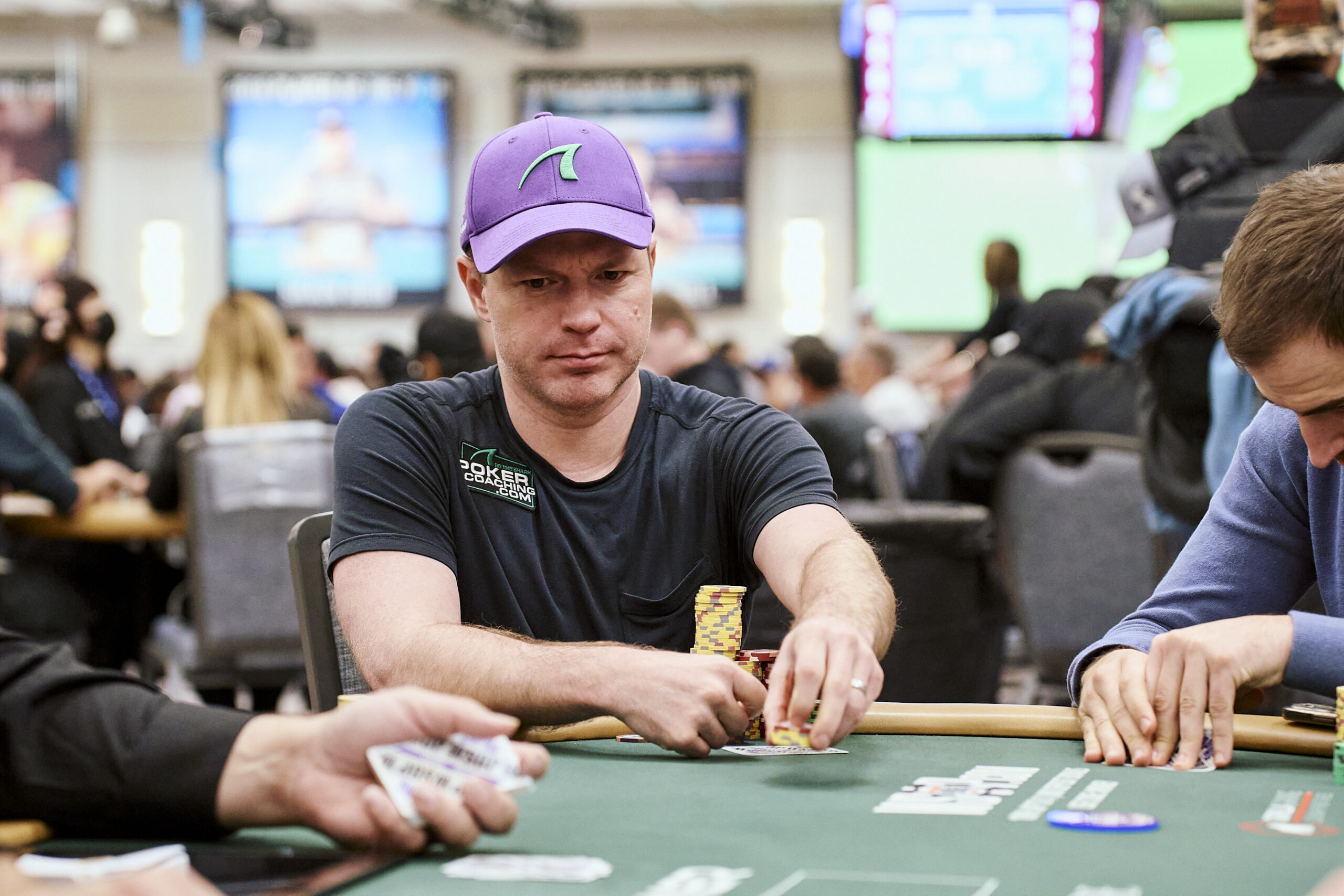
If you want to increase your poker skills and learn to crush games, check out Jonathan Little’s elite training site at PokerCoaching.com.
The summer grind is ending, and some players find themselves tallying up more losses than wins. Even the very best can struggle to stay out of the red. Two-time WPT champion and WSOP bracelet winner Jonathan Little examines some of the lessons learned from losing at the poker table.
Change Your Mindset
Losing is never enjoyable. However, it doesn’t have to be painful. There are various mindset shifts you can make to minimize the pain to the point that it becomes essentially irrelevant.
Most people never give themselves a chance to make it as a poker player. When they lose, they get sad, go on tilt, or quit. The most important thing you can do when playing tournaments for a living is to deny yourself an emotional connection to any individual tournament (or series) outcome.
People often talk about their “tournament life” and how it is of the utmost importance to preserve it. Those players usually blind out, conceding any chance of winning a tournament they might have won if they had risked death a few times.
Embrace The Variance
Remember, any individual tournament is just one of the thousands you will play over the course of your life.
I was lucky to have realized this early in my career, playing thousands of sit-n-go’s each month. If I lost a game (which I knew would happen about 2,600 times each month based on my volume), I would simply open another and play again. It was not a big deal at all.
Live poker is quite a bit different. You may have to fly across the country or world to play, forcing you to be at least somewhat emotionally invested. That said, the concept still applies. When you lose, don’t beat yourself up, especially if you did nothing wrong.
A tournament is just a tournament. Losing a few (or a lot) of them in a row does not mean you are a loser at life, just like winning a tournament does not make you a winner at life. Do not associate losing at poker with failing, because they are completely different things.
Take Emotion Out Of The Equation
I vividly remember one instance where I was too emotionally invested in a tournament. In the World Poker Tour main event at Foxwoods, six months after winning my second WPT title, also at Foxwoods, I busted in 55th place. A win would have given me my third WPT title, made me the first player to win back-to-back main events at the same casino, and made me a huge favorite to win the tour Player of the Year title two years in a row.
Instead of making history, I lost, but I was fine with the result. I played my best and made good use of every situation. But you need more than good decision making to win tournaments. Once you accept that most of the time there simply is nothing you can do, you will learn to view losing in a more positive light.
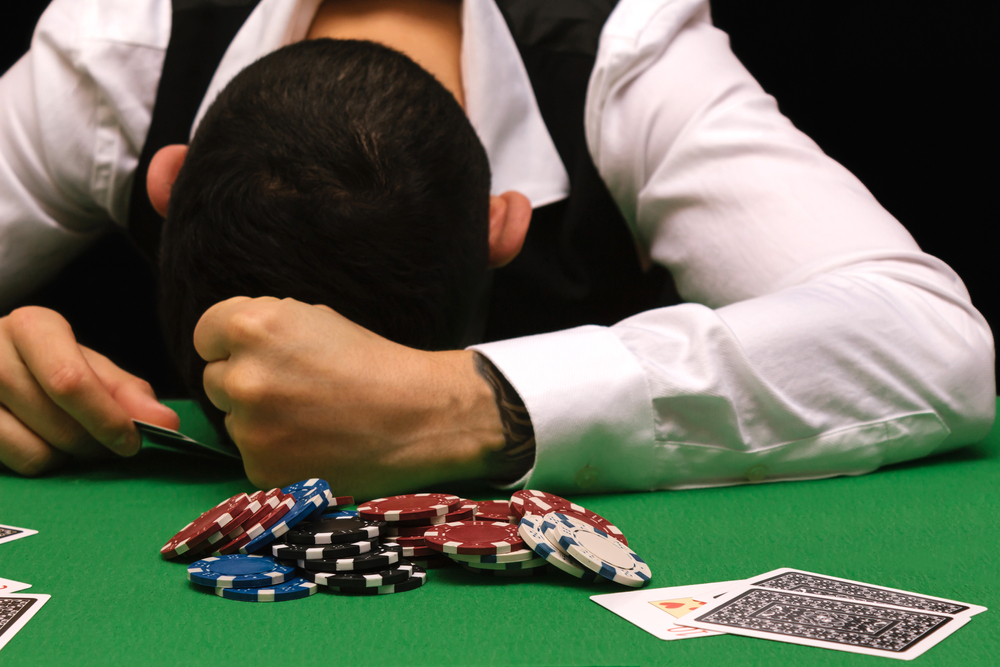
Poker Is A Long-Run Game
Many recreational players tell me about how difficult it is to have this mindset when they don’t get to play often. I used to think they were silly, but as I got older and played less live events, their concerns became more real to me.
That said, just because you do not get to play many tournaments does not mean you should play the ones you get to play poorly. Quite often, the right play is to be aggressive. If your mindset stops you from making the right play, you must accept that you are giving up equity in exchange for getting to sit at a table for a little while longer.
I don’t know about you, but I have better things to do than sit at a table and give away my money. Instead of giving away your money, fix your mindset and realize poker is a long-run game.
Learn The Numbers
Make a point to play well within your bankroll. The players who complain the most about losses are usually playing above their means.
For example, if you have an $800,000 bankroll and lose a $10,000 buy-in tournament, it is not too big of a deal because you still have 79 buy-ins left. If you have a $5,000 bankroll and lose a $1,000 buy-in tournament, you just lost 20% of your bankroll, which can (and probably should) cause great emotional trauma.
Studying the math inherent to tournaments helps you get accustomed to losing. If you play 1,000 tournaments, even if you get in the money quite frequently, you will only cash 20% of the time. More importantly, it means you will NOT get in the money 80% of the time.
Many of the best players only get in the money roughly 18% of the time, which means 82% of the time they walk away with nothing. But when they do make the money, they usually have a large chip stack that allows them to win one of the top prizes. That more than makes up for all the small losses.
Keep Playing The Lottery
Another way to view poker tournaments is like a lottery. When you buy in, you get some number of tickets based on your skill level. If you have an edge, you get more tickets, and if you are at a disadvantage, you get fewer tickets.
Here’s a simplistic example. A breakeven player gets 10 tickets, a player with 50% ROI gets 15 tickets, and a player with -30% ROI gets 7 tickets. Everyone shows up, plays their best, and a winner is chosen at random. If you have a proper bankroll and are playing with an edge, you should be thrilled to be involved, even though you will lose most of the time.
I am incredibly lucky that I had terrible results in my first year as a live tournament pro. If I had started off on a huge winning streak, I would not have been adequately prepared to handle the even worse downswings that would come later.
Many young players start their careers strong and end up going broke. Losing streaks happen. Be prepared when variance inevitably strikes.
 Jonathan Little is a WSOP bracelet winner, two-time WPT winner, and the 2024 PokerGO Cup champion with $10 million million in live tournament earnings. He is a best-selling author of 15 educational poker books, and the 2019 GPI Poker Personality of the Year. If you want to increase your skills and learn to crush games, check out PokerCoaching.com/cardplayer.