



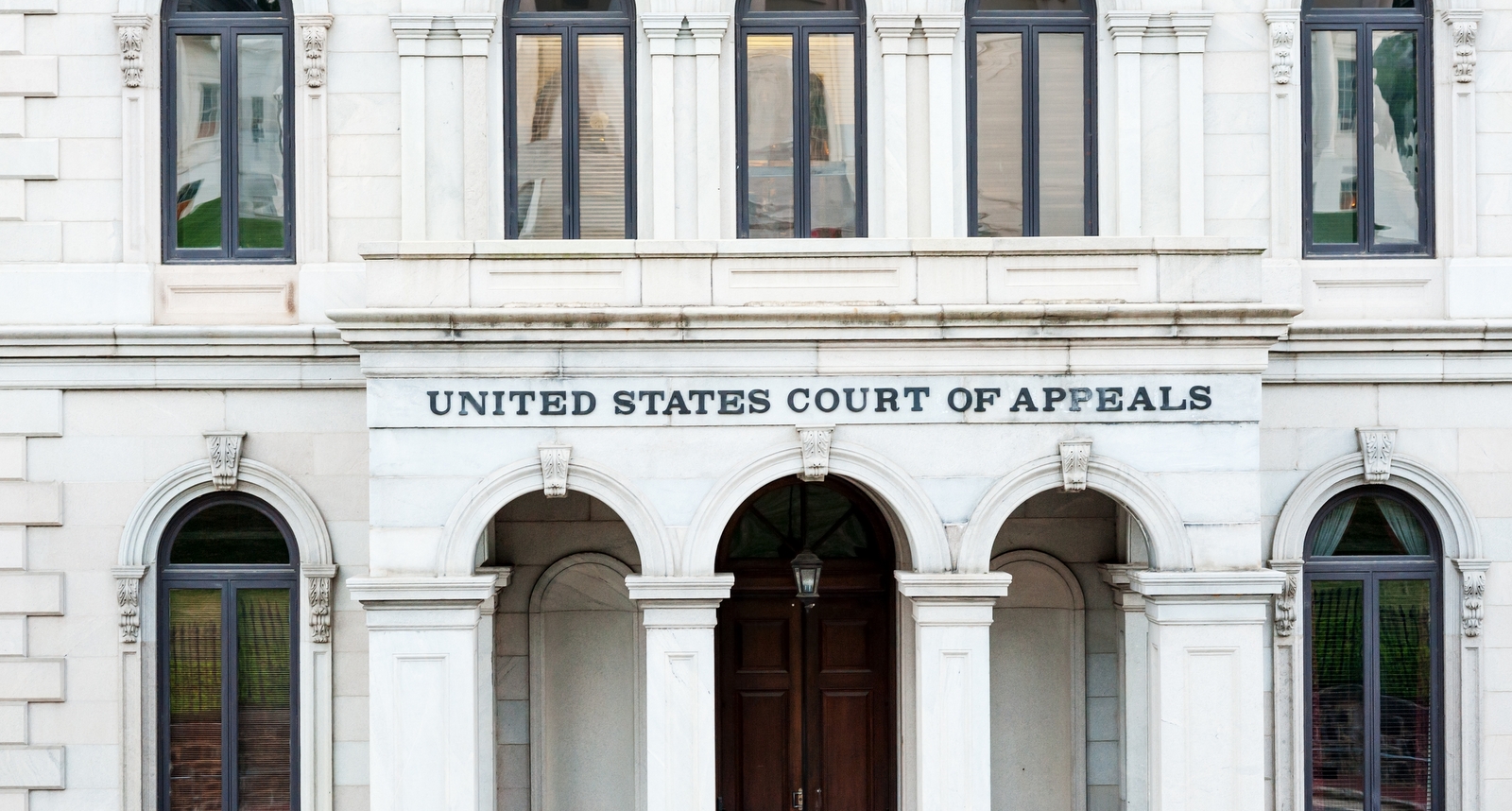
A federal appeals court ruled on Monday that Kalshi can still offer sports event contracts in New Jersey.
The Court of Appeals for the Third Circuit ruled by a 2-1 margin that these markets should be regulated by the Commodity Futures Trading Commission, not state gambling regulators.
“Kalshi has met its burden for preliminary injunctive relief,” Third Circuit Judge David J. Porter said in the ruling. “New Jersey frames the issue broadly (regulating all sports gambling) rather than narrowly (regulating trading on federally designated contract markets).”
Further Appeal Possible
The ruling came after New Jersey regulators ordered Kalshi and Robinhood to cease offering sports event contracts last year. Kalshi later sued the state to block that order from going into effect.
Kalshi later won a temporary restraining order to keep operating in the Garden State. The appeals court ruling now affirms that Kalshi can continue offering sports event contracts in New Jersey. Moreover, it may be a setback for states that also argued sports prediction markets should fall under gambling laws.
While two judges in the case sided with the company, Judge Jane Roth dissented. She argued that traditional sports betting and sports event contracts are too similar to be seen as different activities.
“These offerings are virtually indistinguishable from the betting products available on online sportsbooks, such as DraftKings and FanDuel,” Roth wrote. “While online sportsbooks are regulated by states such as New Jersey, Kalshi asserts that it is outside the bounds of state regulation because it does not offer gambling products.”
According to gambling attorney Daniel Wallach, the split ruling leaves an appeal on the table.
Big win for Kalshi at the Third Circuit, but split decision means possible rehearing en banc. https://t.co/XZ2F09uFht
— Daniel Wallach (@WALLACHLEGAL) April 6, 2026
“New Jersey has 14 days to request rehearing en banc before the (court’s) 14 active judges,” Wallach posted. “Limited to two grounds: 1) maintain uniformity with circuit precedent; or 2) ‘involves questions of exceptional importance.’ While rarely granted, (the) split ruling gives it a chance.”
Following the ruling, Kalshi quickly filed the decision with a court in Arizona, where the company faces criminal charges for offering sports prediction markets.
Prediction Market Jurisprudence History
Prediction market firms like Kalshi and Polymarket have faced scrutiny in numerous states. The latest ruling by the Third Circuit Court of Appeals could have a major impact on some of those legal battles.
In March, a federal judge in Ohio ruled that Kalshi must follow state gaming laws. In January, a state judge in Massachusetts also granted a preliminary injunction against Kalshi, barring it from offering sports contracts in the state. Regulators in Tennessee have also sent cease-and-desist letters to three prediction market companies.
Federal lawmakers have also been critics of the industry. In September, several legislators sent a letter to the CFTC calling for reform. The legislators raised questions about whether the contracts were simply end-runs around state sports betting laws and lack of compliance with betting age requirements and other safeguards.
Former Trump White House Chief of Staff Mick Mulvaney recently said the platforms are more like traditional gambling than actual investing. He said prediction markets should be governed by state gaming regulators rather than by the CFTC.