



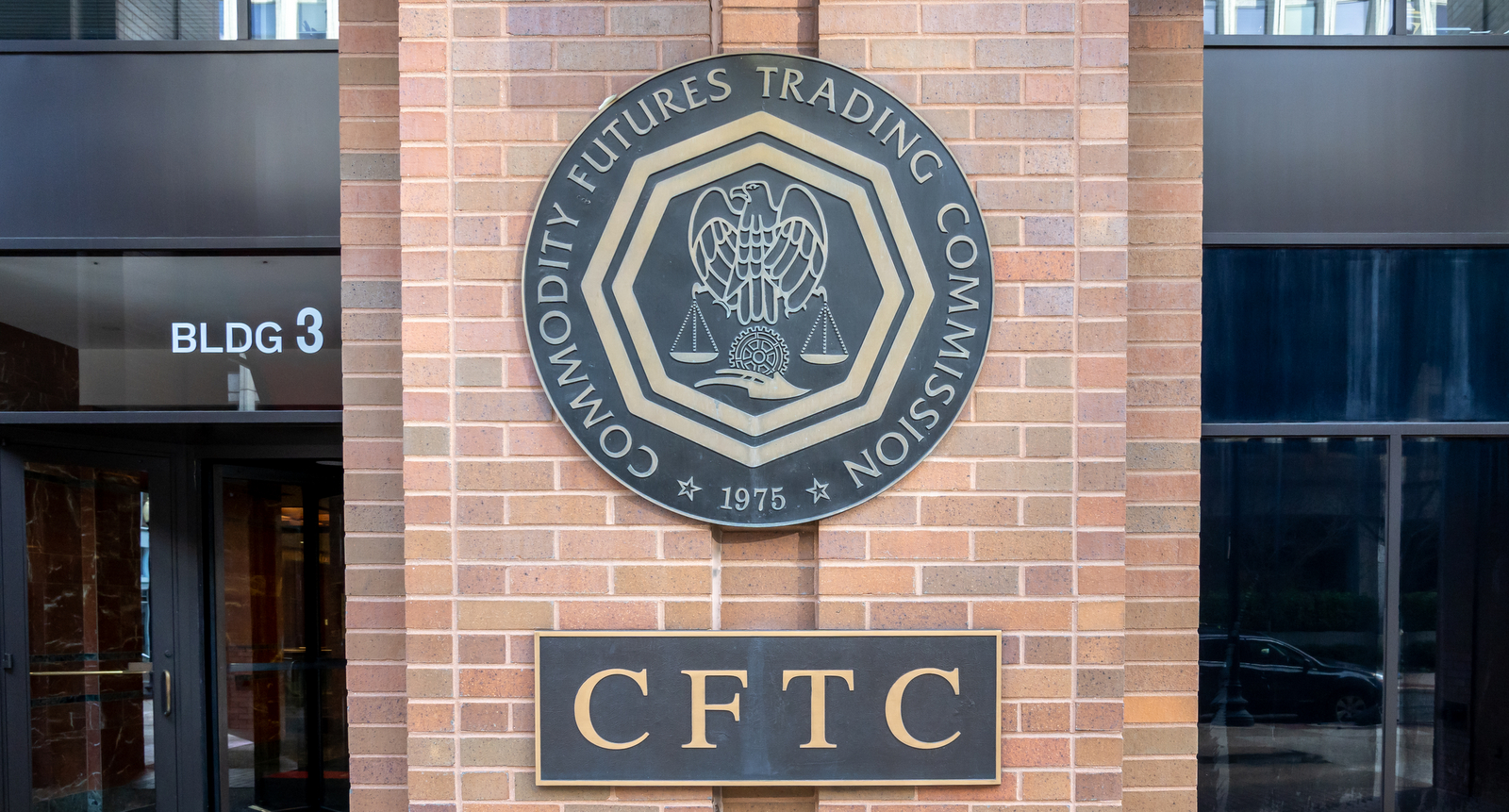
After a year of legal wrangling between state gaming regulators and prediction market firms, the federal government is stepping in. The Commodity Futures Trading Commission filed lawsuits against Arizona, Connecticut, and Illinois this week.
The CFTC argues that it has the sole responsibility to regulate the industry. Consequently, it seeks to block gaming regulators from applying state gaming laws to the prediction market firms.
This marked the first effort by the CFTC to block states from regulating the industry. It could be the start of a broader jurisdictional fight.
‘Recycling Industry Arguments’
The CFTC contested cease-and-desist letters sent to companies like Polymarket, Kalshi, Crypto.com, and Robinhood. In Arizona, Attorney General Kristin Mayes even filed criminal charges against Kalshi in March.
In a statement to Reuters, CFTC Chairman Michael Selig said the commission “will continue to safeguard its exclusive regulatory authority over these markets and defend market participants against overzealous state regulators.”
States across the country have battled prediction market firms in court over the last year after the companies began offering sports contracts, which are essentially wagers on sports events. State regulators allege the contracts are nothing more than sports betting and violate state gaming laws.
Companies like Kalshi and Polymarket argue that their offerings are different from traditional sports betting and are regulated solely by the CFTC. The lawsuits could be the start of a larger jurisdictional battle between the federal government and states.
Connecticut Attorney General William Tong said the CFTC’s argument was on shaky ground after recent legal rulings.
“The Trump Administration is recycling industry arguments that have been rejected in district courts across the country,” Tong said in a statement. “We will aggressively defend Connecticut’s common-sense consumer protection laws.”
A Battle On Several Fronts
Kalshi and Polymarket have suffered mainly failures in court so far. One of the latest saw a federal judge in Ohio rule that Kalshi must follow state gaming laws.
In January, a state judge in Massachusetts also granted a preliminary injunction against Kalshi, barring it from offering sports contracts in the state. In one of the more recent moves against the industry, regulators in Tennessee sent cease-and-desist letters to three prediction market companies.
Federal lawmakers have also been critics of the industry. In September, several legislators sent a letter to the CFTC calling for reform. The legislators raised questions about whether the contracts were simply end-runs around state sports betting laws. They pointed to a lack of compliance with betting age requirements and other rules that legal sportsbooks must adhere to.
Former Trump White House Chief of Staff Mick Mulvaney recently said the platforms are more like traditional gambling than actual investing. He said the CFTC should regulate the platforms, rather than by state gaming regulators.