






Trading Bad Beats For Dance Beats: JC Alvarado Starts His Comeback
Former High Roller Turned DJ Works To Find The Fun In Poker
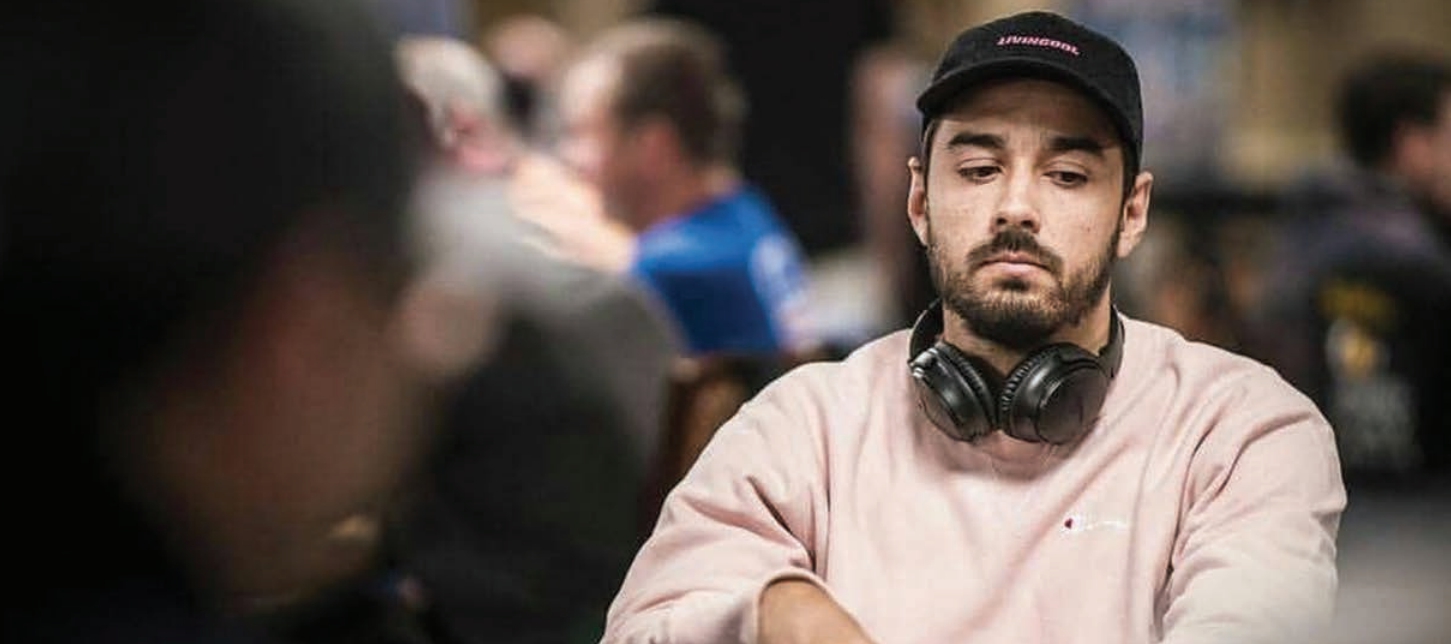
JC Alvarado reached the top of the poker world, competing for the highest stakes while racking up $4.5 million in tournament cashes. Highlights included a runner-up and fourth-place showing in the EPT Barcelona ₡50,000 Super High Roller, worth a combined $1.475 million. He also took second at the EPT Prague ₡25,000 high roller, narrowly missed out on a World Poker Tour title at the World Poker Challenge in Reno, and finished third in the WSOP Europe main event.
He battled the games’ best, won, and then walked away from the game.
Alvarado’s disillusionment with the game was a slow burn, finding less and less motivation to hunt down, and exploit, the thinnest of edges. A sudden job opportunity helped rip the band-aid off, and on a random Monday in Mexico City, he joined the world of finance.
As it turns out, as much as Alvarado didn’t fit in with the ‘poker bros,’ he also did not fit in with the ‘finance bros.’ His corporate job ran its course, but along the way he discovered a new passion, and rediscovered an old one. These days, you can find Alvarado back at the online poker tables. The only difference is that he does it while mixing dance tracks and streaming for all the world to see.
Card Player caught up with DJ Alvarado to talk about how he’s dipped his toes back into the poker world, his way.
Paul Oresteen: You had success playing against legends from a few eras of poker. Was there one player you recall being particularly tough?
JC Alvarado: When I was playing Triton events, in that space, Stephen Chidwick was the toughest guy. He was super intense – I was intense too, but I wasn’t as good as him. Some people were better than me, but they didn’t match my intensity, and that gave me a little edge. But with Stephen, he matched that intensity and was also better than me, so it was scary playing against him.
But when I made my first World Poker Tour final table in 2007, I was playing against guys that were maybe less studied than me, but instinctually scarier at the time. I had David “The Dragon” Pham and JC Tran at my first final table. Those guys were scary.
It was in Reno, which was close to their backyard. Before I turned 21, when I was a budding professional, I went to the LA Poker Classic and just stood on the rail to watch. There was this guy with racks and racks of chips in the main and I had to ask who it was. It was JC. He final tabled that event, then another, and then was also at mine in Reno. When I got heads-up with him, my mom was at the rail and I told her, ‘I can’t beat this guy.’ I was already mentally defeated by then.
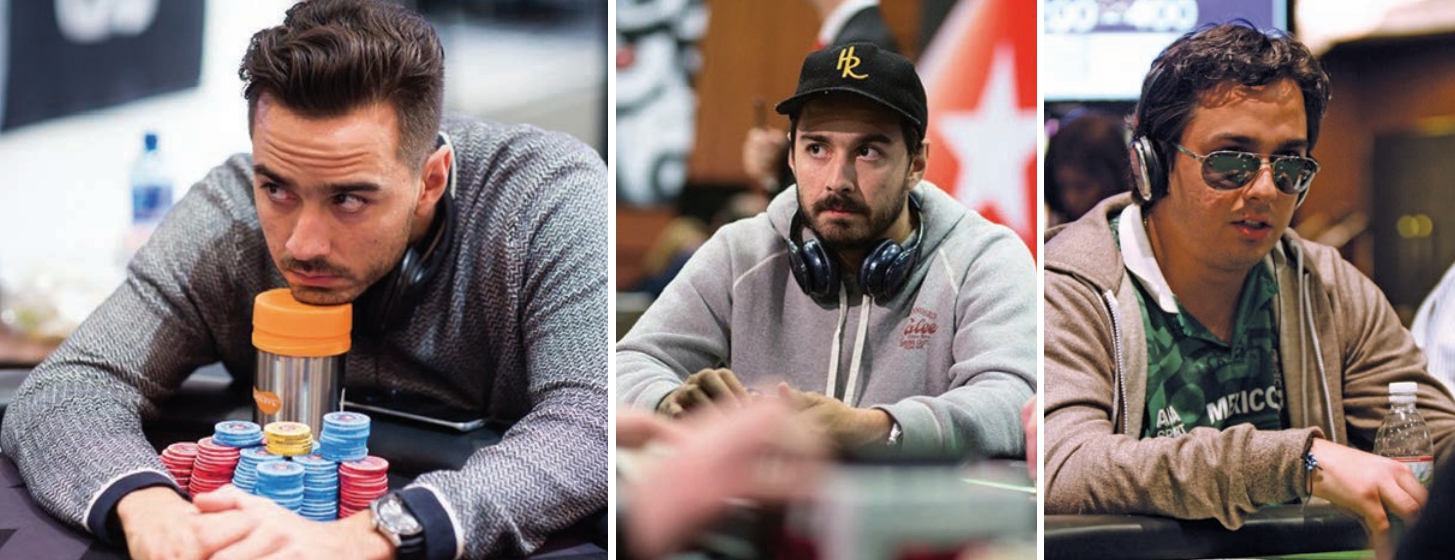
Paul Oresteen: Speaking of Chidwick, he recently made a pretty revealing post on social media about the dark side of perfectionism. He is one of the winningest players of all time, but even he struggles with impostor syndrome.
JC Alvarado: I really liked what he had to say. I think the dark secret in poker is that a lot of top players struggle to find balance. In my case, I felt like when you’re in the trenches all the time you lose sight of what’s important and poker becomes your life.
My leaving poker was a slow process. I think a lot of players from my generation have the same kind of stories about coming up. We gave up on school and dedicated our lives to figuring out poker. Then things started to go sideways, which can happen fast when you’re playing super high rollers.
The great opportunities for poker players were drying up, and then I struggled with the notion that I could even do something else. My entire identity centered around being a professional poker player, and there was a mourning process in letting that go. It was my entire adult life. I did one thing and felt useless at anything else. Like, what could I ever do that wasn’t poker?
Eventually, I got offered a job in finance that I didn’t expect. So, in that sense, it was overnight because I didn’t know what else to do. I took the job and didn’t play a single hand of poker for four years.
Paul Oresteen: When did DJing come into your life? Were you always musically inclined?
JC Alvarado: No. In fact, I hated electronic music for a long time and never had that big of a musical inkling or creativity. I went to film school before quitting poker, so I was a little on the creative side, but not musically.
It was post-pandemic and I had a job in finance that I really didn’t like. It was the antithesis of who I was as a person. I’m not a ‘finance bro.’ I had just moved back to Mexico City from Ireland and was starting to go out. I had started to like EDM by this point and had gone to Burning Man one year. We didn’t have DJ in our camp, I just used my playlists that people liked. I got this validation from strangers and promised myself that I would work on it as a hobby, and I could play the year after that.
I started practicing, got hired for little gigs, parties here and there, and yeah, I got more and more into it. I wouldn’t say it’s my future career in any way, but as a hobby, it scratches an itch.
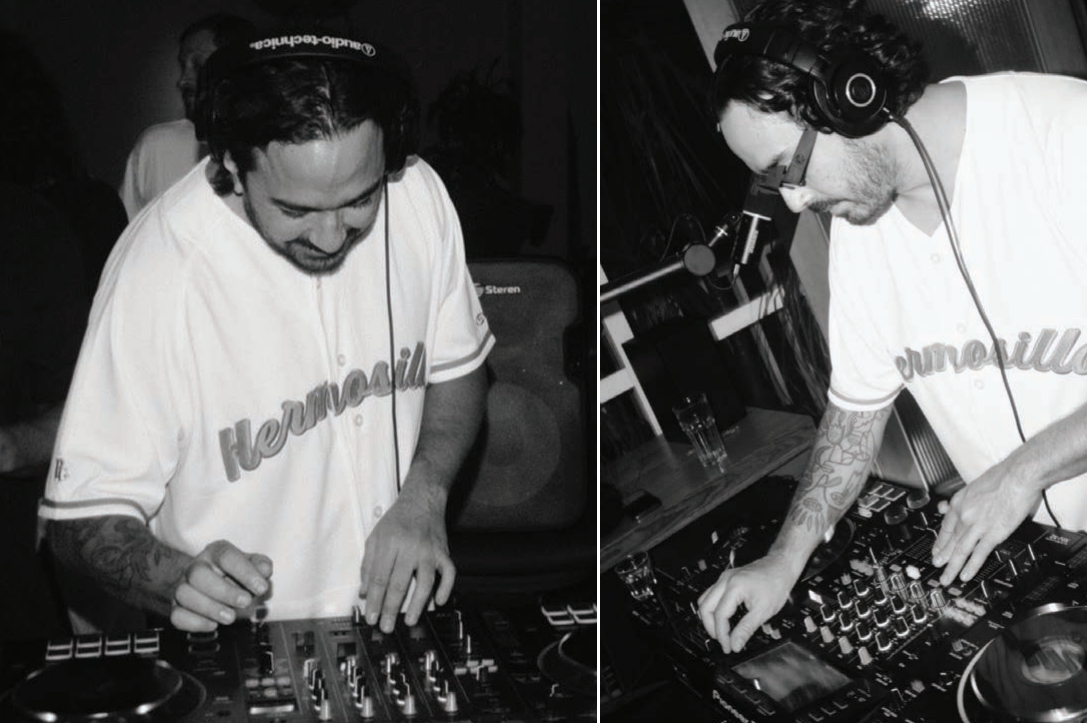 Paul Oresteen: Streaming yourself playing poker and DJing at the same time seems like two right-brained activities that don’t line up well. Is it part of your personality that you can juggle those two?
JC Alvarado: Well, I got fired, partially for learning how to DJ while on the job. Then I tried to play online poker again and I’d get bored. I can’t multi-table like I used to, the game’s passed me by, so I need to focus on one or two tables at a time. I wasn’t doing it for a living, so just to pass the time, I’d open my DJ software and practice, create sets and mess around at both.
When I got this idea, I was completely out of poker. I couldn’t tell you who won the WSOP main event from 2021-2024. (This despite the fact that Alvarado went deep in the 2024 main event, finishing 387th for $40,000.) But then I started to see poker content again and would watch people stream. It was boring. They were clearly successful, but at what point does the audience get tired of clicking on reels that are someone’s aces getting cracked or set over set?
There’s a finite time in the attention economy and I saw everyone doing the same kind of thing. I had the idea to mix music and poker, so if poker gets boring, they have music in the background.
Plus, it’s funny to see me fuck up on the decks. I constantly mess up. If you get aces during a transition in a song, it’s not going to go well. But that’s the humor and appeal to my stream. It’s been fun and at this point in my life, I’d rather do things I find fun.
Paul Oresteen: You did play a few live events in 2024. That’s a different level of commitment than playing online.
JC Alvarado: Well, by the summer of last year, I had been unemployed for exactly a year. I didn’t want to go back to finance and was completely unaware of the second poker boom. I never thought I’d play again, but a friend reached out to me and said he would put me in some WSOP events if I wanted to come play it. I told him I wasn’t sure if I even remembered how to play, as I hadn’t done any studying and hadn’t watched the game. I didn’t know what was going on.
He said, ‘Whatever, I gamble on baccarat. It doesn’t matter.’ That was the only reason I went. Because I wouldn’t have taken the risk to play a bunch of events on my own after five years of not playing. One of the big skills in poker is losing your attachment and value to money that you’re playing with. Now, if I played a $2,500 event and lost, I would regret not having spent that money on something like house renovations. It’s a different mentality at this point compared to when I was firing in $50,000 tournaments. We’re all getting older now, things are different and acceptance of risk of your own money changes the older you get.
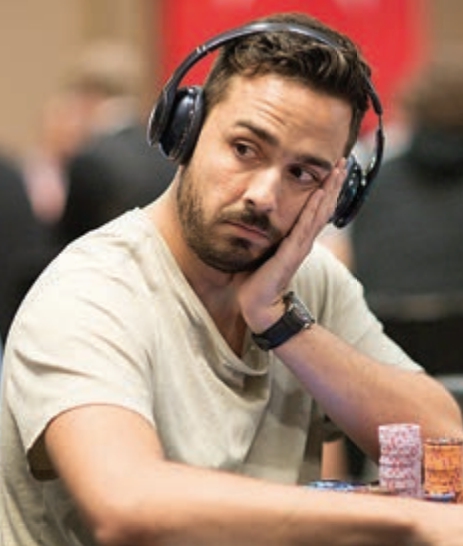 But I also went back and played really well. I cashed in a couple of events and had a top 15 stack in the main event at one point. I thought I was going to be the main character in a movie when I had chips in the main. I was like, ‘Okay, I’m going to win this.’ And then, you know, I got reminded of how brutal poker is… like real quick.
But it got me motivated to get back in the game, at least a part-time basis. I don’t feel that strong online, but my years of experience still hold up in the live realm. Then, the explosion of content creation was appealing to me. It got my creative side going and it’s a lot more fun.
Paul Oresteen: What’s next for you if Triton events aren’t on your schedule?
JC Alvarado: I’m working on a project that’s more lifestyle-oriented, and doing a podcast. We filmed the first episode already and I want poker to be a part of it. I don’t ever want to go back to being a full-time poker player and go through the amount of stress and live in the Chidwick headspace. It’s grueling, hard, and stressful.
Right now, the stream and all my content is in Spanish, but the plan is to go bilingual or have an English-only stream. Anyone who speaks English can join anytime and I’ll answer.
Check out Alvarado’s Twitch stream atm_poker, and follow him on Twitter/X @JCAlvarado1.
- Photos by Card Player, BetClic, World Poker Tour, and PokerStars