







Card Player Player Of The Year Award History
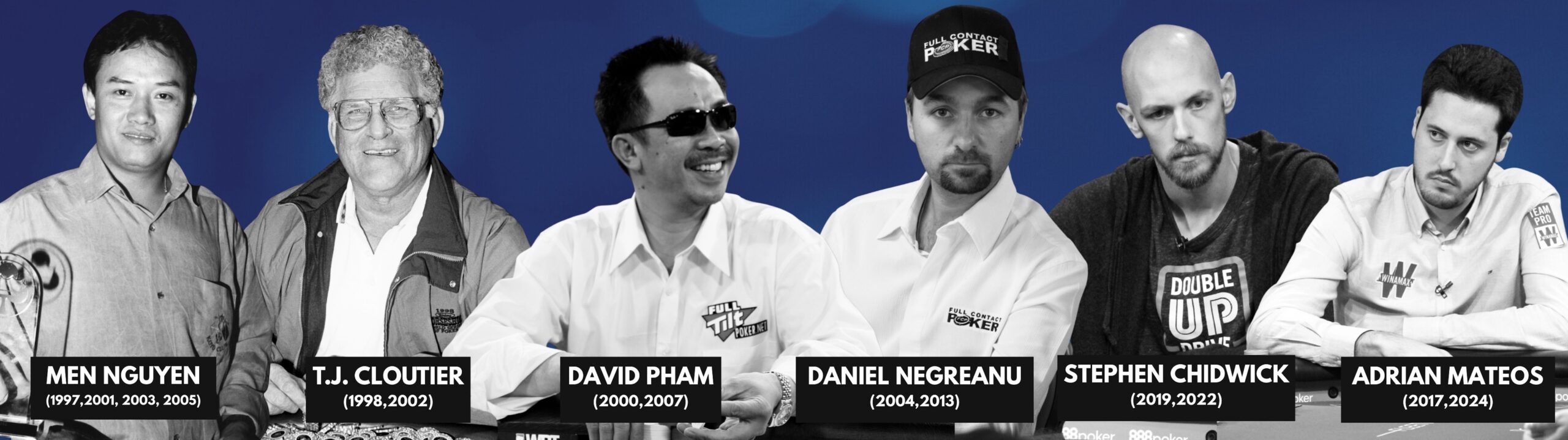
The Card Player Player of the Year award is the industry’s longest-running and most respected tournament points race. Established in 1997, the POY award recognizes the poker players who’ve demonstrated consistent excellence across the global tournament circuit during the course of a given year.
Points are handed out for final-table finishes in open events, with totals weighted based on buy-in and field size. There are thousands of qualifying tournaments each year that impact the POY standings, sponsored by CoinPoker.
While many legends have graced the top of the year-end leaderboard, Men “The Master” Nguyen holds the record for most victories, winning the POY race four times between 1997 and 2005. A select group of elite pros have managed to earn the honor twice, including David Pham, Stephen Chidwick, Adrian Mateos, and Poker Hall of Famers T.J. Cloutier and Daniel Negreanu.
The full POY race rules are listed here.
Player Of The Year Winners
| Year | POY Winner | Points | Runner-Up | Third-Place |
| 1997 | Men Nguyen | 3,341 | T.J. Cloutier (2,411) | Max Stern (1,999) |
| 1998 | T.J. Cloutier | 3,277 | Randy Holland (2,833) | John Cernuto (2,763) |
| 1999 | Tony Ma | 3,954 | John Bonetti (3,266) | Daniel Negreanu (2,901) |
| 2000 | David Pham | 4,166 | Tony Ma (4,051) | Men Nguyen (4,000) |
| 2001 | Men Nguyen | 6,359 | John Juanda (6,138) | Scotty Nguyen (5,206) |
| 2002 | T.J. Cloutier | – | – | – |
| 2003 | Men Nguyen | – | – | – |
| 2004 | Daniel Negreanu | 8,764 | David Pham (7,068) | John Juanda (6,596) |
| 2005 | Men Nguyen | 5,204 | John Phan (4,428) | Allen Cunningham (3,841) |
| 2006 | Michael Mizrachi | 5,989 | Nam Le (5,215) | J.C. Tran (5,170) |
| 2007 | David Pham | 6,562 | J.C. Tran (5,748) | Jonathan Little (5,272) |
| 2008 | John Phan | 6,704 | David Pham (6,022) | Bertrand Grospellier (5,510) |
| 2009 | Eric Baldwin | 6,994 | Cornel Cimpan (5,934) | Yevgeniy Timoshenko (5,509) |
| 2010 | Tom Marchese | 6,738 | Dwyte Pilgrim (5,576) | Sorel Mizzi (4,851) |
| 2011 | Ben Lamb | 6,036 | Chris Moorman (5,875) | Oleksii Kovalchuk (5,494) |
| 2012 | Greg Merson | 5,100 | Dan Smith (5,040) | Marvin Rettenmaier (4,085) |
| 2013 | Daniel Negreanu | 5,140 | Paul Volpe (4,298) | Vanessa Selbst (3,921) |
| 2014 | Daniel Colman | 5,498 | Ami Barer (5,042) | Mike Leah (4,758) |
| 2015 | Anthony Zinno | 6,632 | Joe Kuether (6,070) | Nick Petrangelo (6,026) |
| 2016 | David Peters | 8,601 | Fedor Holz (7,058) | Justin Bonomo (6,520) |
| 2017 | Adrian Mateos | 7,220 | Bryn Kenney (7,173) | Fedor Holz (5,875) |
| 2018 | Jake Schindler | 9,407 | Stephen Chidwick (8,845) | Alex Foxen (8,259) |
| 2019 | Stephen Chidwick | 7,484 | Alex Foxen (7,345) | Sean Winter (6,679) |
| 2020 | Vincent Wan | 2,280 | Cary Katz (2,195) | Tai Hoang (2,188) |
| 2021 | Ali Imsirovic | 8,058 | Qing Liu (5,080) | Sean Perry (4,945) |
| 2022 | Stephen Chidwick | 6,499 | Farid Jattin (6,233) | Stephen Song (6,230) |
| 2023 | Bin Weng | 12,256 | Isaac Haxton (10,013) | Nacho Barbero (9,536) |
| 2024 | Adrian Mateos | 10,174 | David Coleman (9,698) | Jesse Lonis (8,908) |
| 2025 | Jesse Lonis | 10,807 | Punnat Punsri (10,540) | Alex Foxen (9,371) |
POY History: ‘The Master’ Dominates POY Race’s First Decade
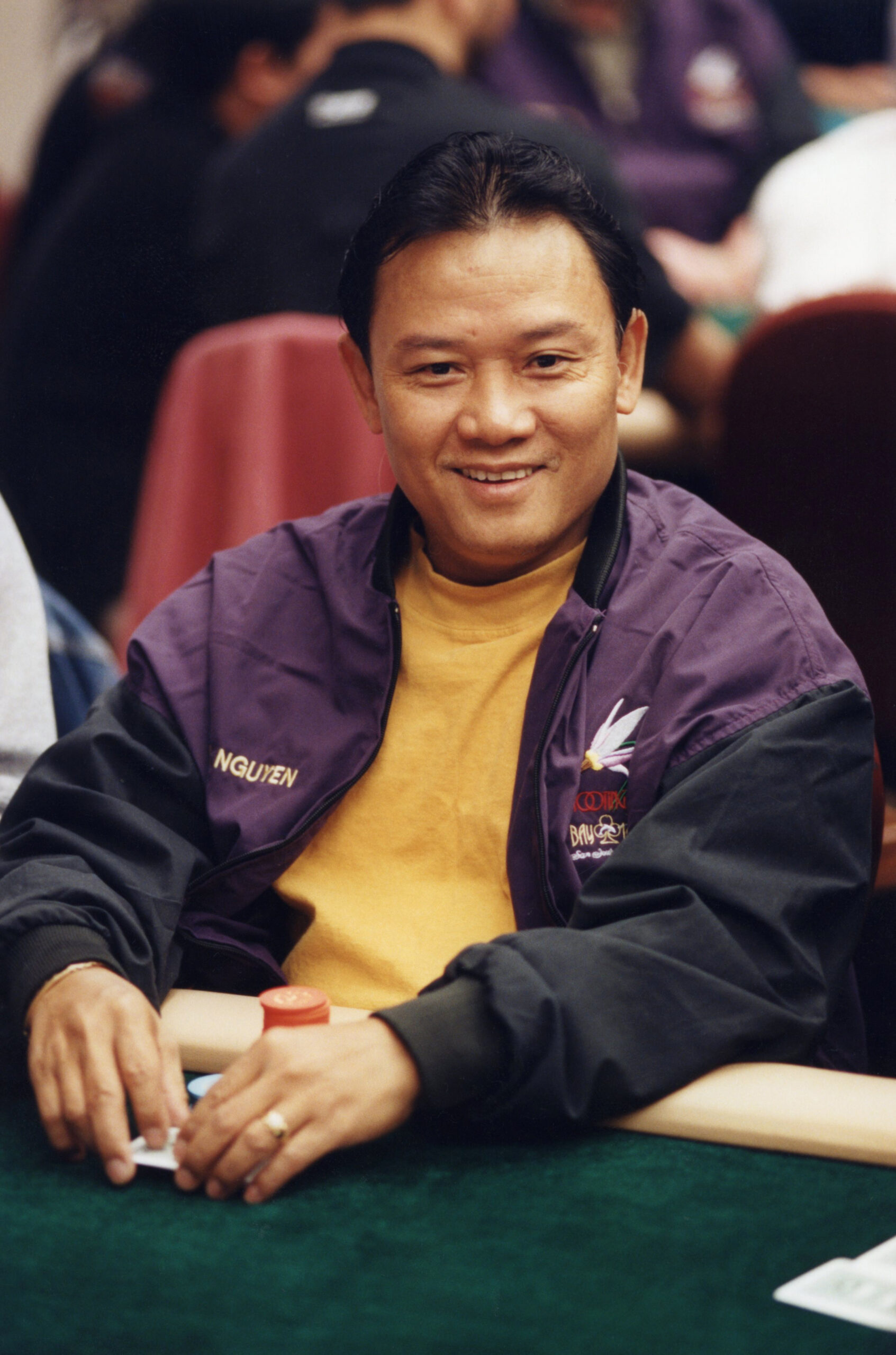
Men Nguyen
The Card Player Player of the Year race has been the industry gold standard for measuring tournament poker success for the last three decades. Since debuting shortly before the turn of the century, this prestigious leaderboard has documented the ever-changing tournament landscape from the poker boom of the 2000s through the recent high roller explosion.
Men Nguyen stands out as the most consistent contender of the POY’s first decade, capturing the top spot in 1997, 2001, 2003, and 2005. During that span, Nguyen was frequently pushed by T.J. Cloutier, who secured the POY award in both 1998 and 2002, with other close calls along the way.
This era had limited big buy-in events, but it also highlighted the consistency of players like David Pham and Tony Ma, who both secured outright wins and frequently appeared in the top three alongside other poker icons such as John Juanda and Scotty Nguyen.
As the decade turned, new stars began to emerge, including some who still shine just as brightly today. Daniel Negreanu began to emerge as a powerhouse, finishing third in 1999 before taking the top honors in 2004.
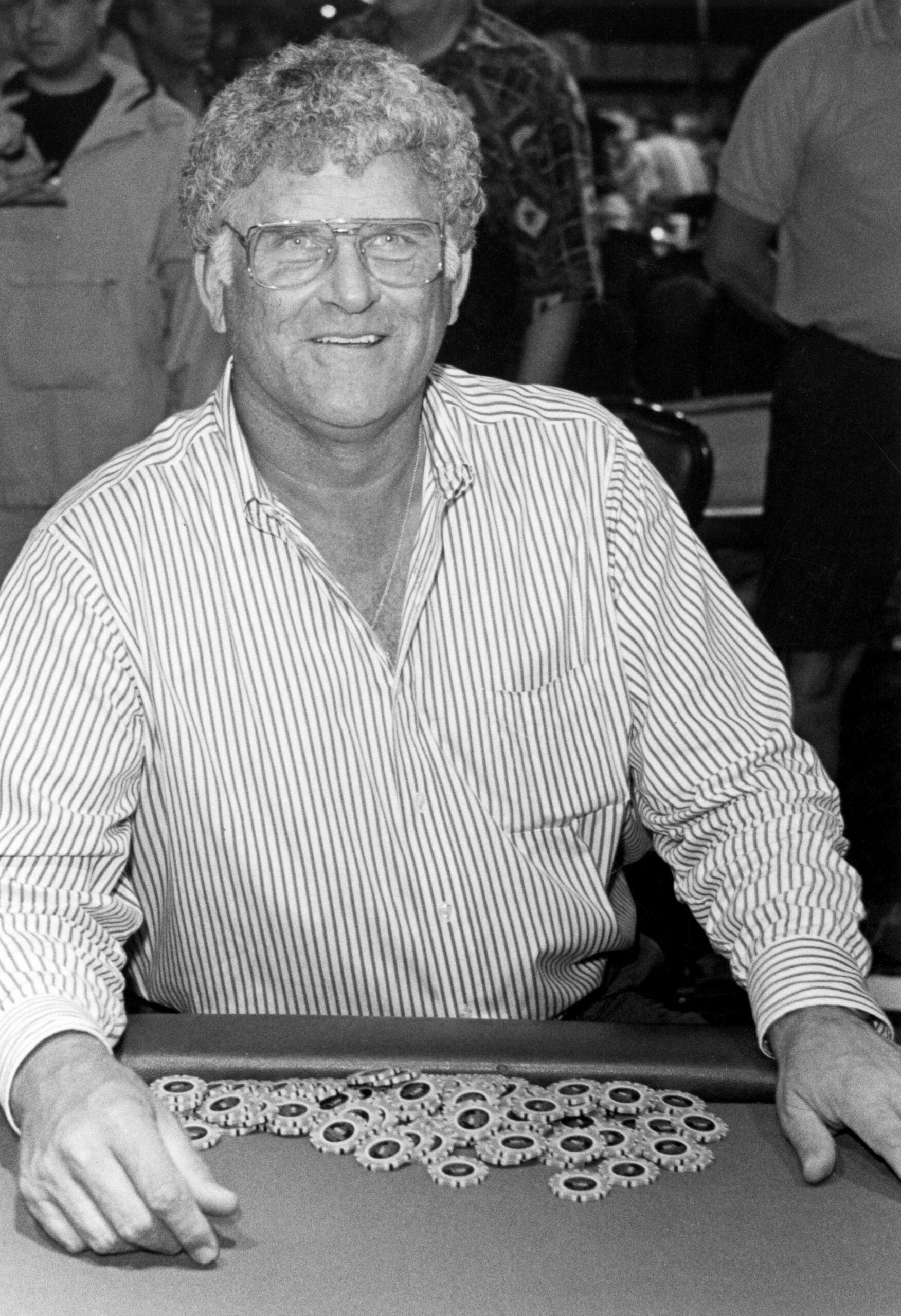
T.J. Cloutier
Chris Moneymaker’s 2003 World Series of Poker main event win, alongside the rise of the World Poker Tour and the expansion of online poker, catalyzed an explosion in poker’s popularity that redefined the race. The surge in participation raised the bar to unprecedented heights, with POY stats that would’ve been hard to imagine just years earlier.
The 2006 POY win by Michael Mizrachi was a sign of the coming shift at the top of the game. Soon, the old guard would be outdone by a new crop of top young pros, many of whom cut their teeth in the online streets.
New Stars Headline POY’s Next Era
The next decade of POY success was largely impacted by how top players performed in the main events of the various major tours that had been established during the boom. In addition to the WSOP each summer and a near-monthly WPT event, the WSOP Europe debuted in 2007. The European Poker Tour also continued to grow after breaking onto the scene just a few years prior, in 2004.
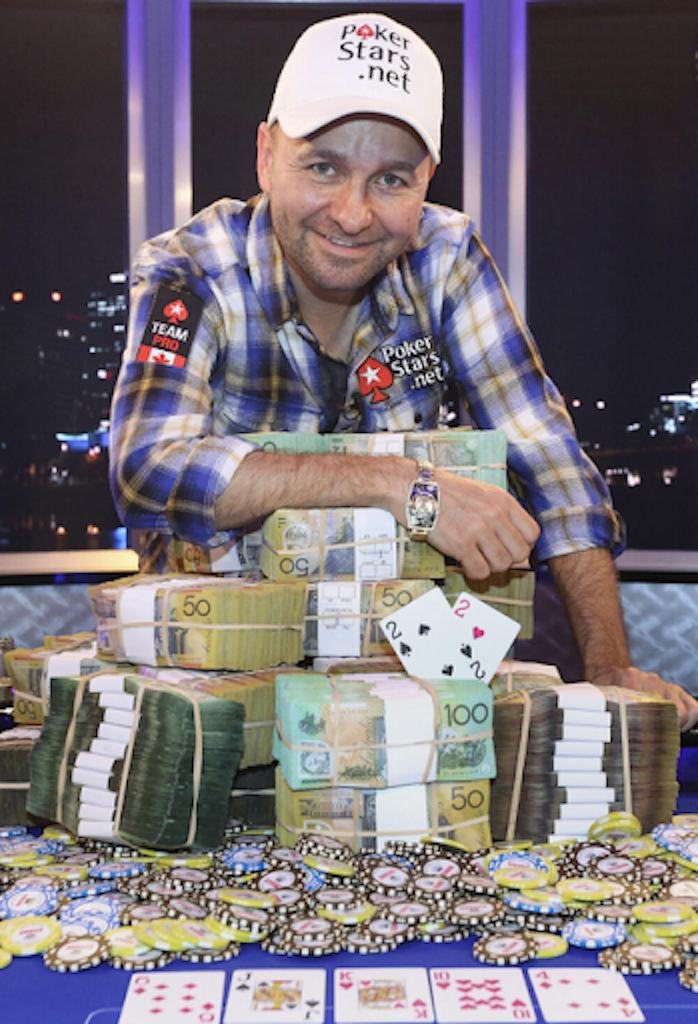
Daniel Negreanu
While well-established grinders like David Pham (earning his second POY award) and John Phan came out on top at the start of this era, the archetype of the race’s winner began to shift by the late 2000s. From then on, POY champions were just as likely to be known by an online handle as they were their given name: Eric ‘basebaldy’ Baldwin (2009), Tom ‘kingsofcards’ Marchese (2010), Ben ‘benba’ Lamb (2011), Greg ‘gregy20723’ Merson (2012), and Daniel ‘mrGR33N13’ Colman (2014). Even 2015 POY Anthony Zinno got his start online, though he truly broke out on the live circuit.
Daniel Negreanu was the exception to the rule, as the longtime live grinder showed he was still among the game’s elite by running away with the 2013 POY award for his second career victory in the race. Negreanu took down two bracelet events that year, including the inaugural WSOP Asia-Pacific main event and a high roller at the WSOP Europe.
Super High Roller Of The Year?
The 2016 POY win by David Peters was indicative of another shift atop the rankings. Super high rollers had become much more prevalent by that point, with the number of events with a buy-in of $25,000 or more to enter growing each year. These tournaments with elite but comparatively smaller fields allowed the game’s top stars to rack up final tables and titles at unprecedented rates.
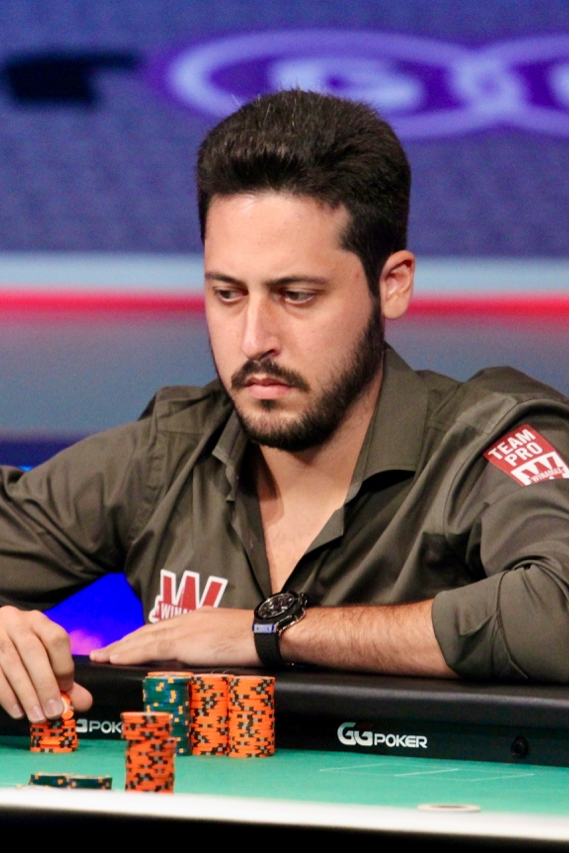
Adrian Mateos
The impact that the high rollers have had on the POY race is evident in the numbers. The average final table count per POY winner from 2007-2015 was 8.8, with an average of three titles won during that period. Those numbers surged to an average of 24 final tables and more than 6 wins from 2016-2025, with 2020 excluded given the live poker shutdown that resulted from the COVID-19 pandemic.
While big field main events still made a sizable impact, the majority of the top POY performers from the past decade have been high-stakes regulars putting up multiple millions of dollars in buy-ins per year. Only three POY winners from 2007-2015 surpassed $5 million in POY earnings on their way to securing the award, while the lowest total among the nine winners from 2016-2025 still accrued $5,664,635. That was Adrian Mateos’ haul in 2017. The Spanish superstar went on to win the award again in 2024, cashing for more than $11 million across 21 final tables.
Stephen Chidwick is the only other two-time POY winner from the high roller era, having won in both 2019 and 2022. The British superstar finished inside the top 10 seven times in a nine-year span. His two down years in that stretch were hardly disasters, as well taking 23rd in 2020 and 15th the following year. His average finish in the year-end rankings from 2017 through 2025 sits at just shy of eighth place.

Stephen Chidwick
Vincent Wan, who was crowned POY at the end of a truncated global circuit schedule in 2020, was the only player without multiple millions in earnings during the past decade.
Jake Schindler accrued over $8.7 million in POY earnings across a record 31 final tables when he won in 2018. Ali Imsirovic nearly matched that total in 2021, taking down an astounding 14 titles across 30 final-table finishes on his way to securing the POY award. Both players have since been ostracized from the poker community for unrelated online cheating incidents.
Bin Weng was one of the few POY winners from the past decade to win his way to glory primarily via success outside of the high rollers. Of his 16 final tables, 14 of them sported a buy-in of $10,000 or less. He battled his way through massive fields again and again in 2023. The average number of entries in the six tournaments that he won that year was 1,174.
The most recent POY winner is Jesse Lonis, who narrowly came away with the title after cashing for more than $11.6 million with eight trips to the winner’s circle across 27 final tables in 2025.
Regardless of how the poker tournament landscape might grow and evolve in the future, the Card Player Player of the Year award will continue to reward consistent excellence.