







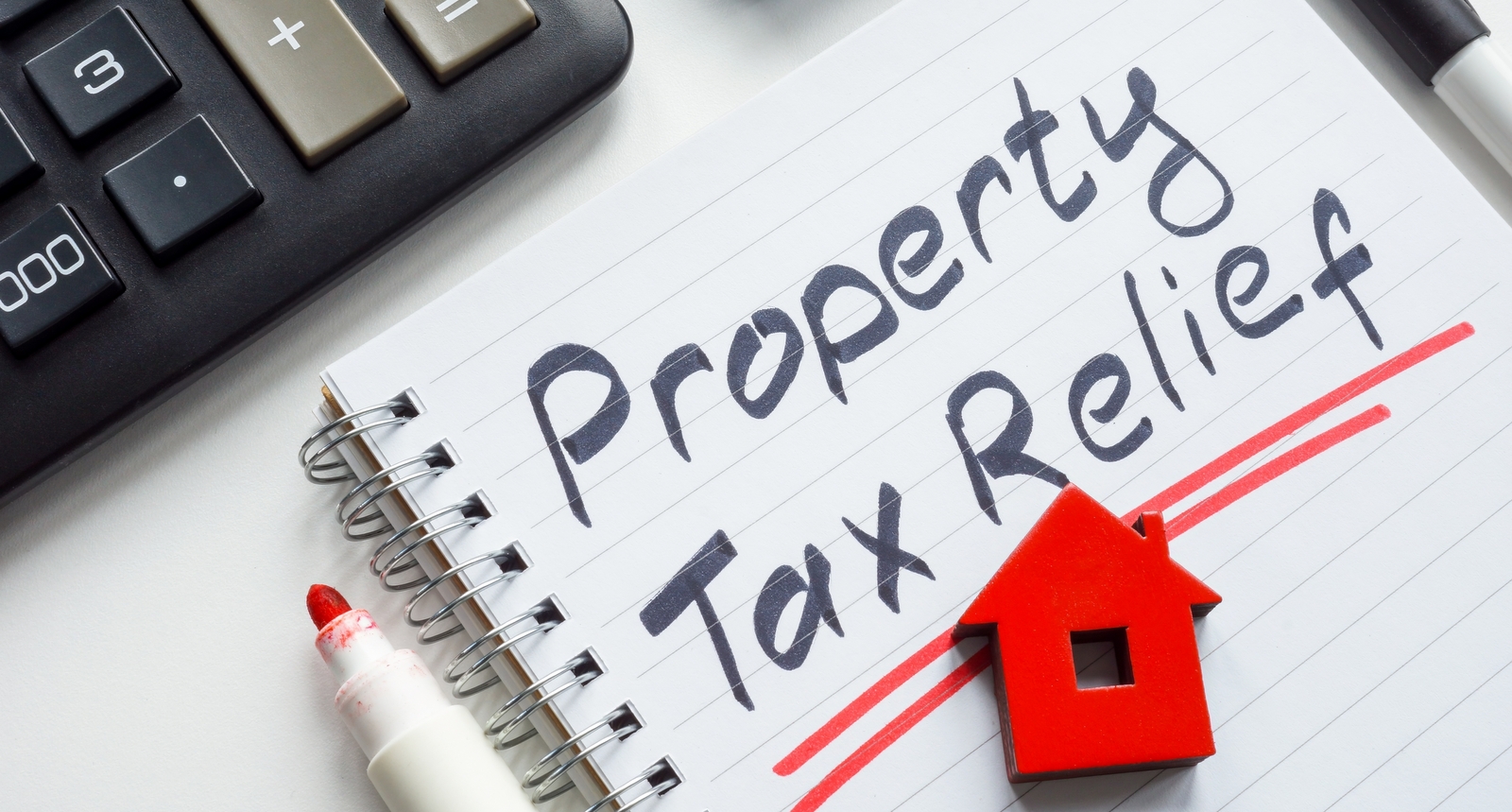
Nebraska casino revenue is paying off for Nebraska residents.
Gov. Jim Pillen signed an executive order on Tuesday ordering additional tax relief after the state saw an increase in casino gambling revenue.
The move also factored in unused money remaining in the state’s Property Tax Credit Cash Fund, and the School District Property Tax Credit Fund. These funds grew by more than the amount originally appropriated by the Nebraska legislature.
“As governor, fixing our broken property tax system is my top priority,” Pillen said. “Whenever possible, we must get bureaucracy out of the way and ensure that Nebraskans receive the full amount of property tax relief possible. By signing this executive order, we are ensuring that all money in these funds is fully given to taxpayers. This is a common-sense, good government measure that will help Nebraska families across the state.”
Nebraska Casino Industry Growing
The Cornhusker State legalized commercial casinos in 2020 after residents overwhelmingly approved legalization through a ballot initiative. The state also boats five tribal properties.
Supporters projected that additional casino options could generate $45.5 million in annual property tax relief. WarHorse Casino in Licoln became the first commercial casino to open in September 2022.
Now, the state has four commercial casinos. Those properties generated $29.1 million in total gaming taxes in 2024. That’s up from $17.8 million in 2023 and $2.8 million in 2022.
The property tax relief comes after the state enacted several other initiatives to lessen the burden on Nebraskans. Those other initiatives resulted in $1.26 billion in direct relief.
“We will continue to put all our efforts into getting the crippling property tax crisis fixed for Nebraskans,” said Pillen. “We are fighting hard for Nebraskans to solve the problem.”
But future casino revenue, and thus casino tax revenue could drop in the future thanks to federal legislation.
President Donald Trump’s “One Big Beautiful Bill” contained provisions that would change gambling tax law. The provision only allows gamblers to write off 90% of their losses, instead of the standard 100% that’s been in place for years.
If legislation isn’t passed to reverse the provision, several prominent gambling industry stakeholders believe gamblers will wager less or not at all. As a result, casino revenue would drop, as would payments to state coffers.
Rep Dina Titus, D-NV, filed the FAIR BET Act, which would revert the tax provisions. But her attempt to attach it to a defense bill as an amendment failed, making it less likely there are changes to it this year.
Photo courtesy of Shutterstock