




 Get a FREE training package at PokerHeadRush.com.
Low-stakes poker tables are filled with predictable mistakes that most players don’t even realize they’re making—and that’s great news for anyone looking to profit. From overvaluing weak hands to failing to adjust their strategies, these common errors happen over and over again.
In this article, I’ll break down the 10 most frequent mistakes you’ll encounter, how often they come up, and how you can capitalize on them.
Calling Too Much (Common)
This is everybody’s biggest leak, because people play poker for release. Remember how everyone acted at the first home games you played? Tons of giggling, shouting, jabbering, limping, calling, and seeing showdowns. It’s like people get high off of the chip slinging.
That’s the default for most people. Seeing flops and seeing if their hand is good at showdown are the dopamine pellets they’re chasing. They have a hard time giving that up.
You can see players struggling with these cravings every time you play $1-$3 or $2-$5. They can’t fold anything remotely suited or connected because they’ll feel like an idiot if it turns out they would have hit the flop. They call down with way too many top pairs until someone finally blasts all the chips in on the river, and even then, some of them don’t fold!
If you see a player like this, pick a halfway decent hand and don’t stop value betting. Ever.
Calling Slightly Too Much (Common)
After a few years, the total stations go broke or they wise up. Wising up doesn’t mean they become a contender, however. It just means they become better at folding second and third pair on the river. They learn to reraise with a few decent hands and try to get value from them. They stop limping in preflop and instead raise themselves.
They’re doing a few things right, I’ll give them that. But they’re still a long way from the promised land. They will revert to their default factory settings if you’re value betting 40% of the pot, because that sizing looks small to them. They will keep calling down.
Keep value owning them. Never stop.
Folding Too Much (Rare)
Maybe one player out of 10 or 20 has this leak. It’s rare, but some people just come into this world conservative. They get a safe job, they’re clean cut, they dress well, and they can’t play poker worth a shit.
This player almost takes a smug pride in folding preflop because they believe they’re better than all the other unwashed barbarians. They go into an entitled rage if their premium gets cracked.
If you’re dealing with someone like them, just fold if they suddenly get interested and start putting chips in the pot.
Bluffing Too Much (Rare)
Maybe one guy out of 10 or 20 is a maniac, and most of them are not actually maniacs.
Nine times out of 10 when someone tells me, “This guy is a maniac!” what I really run into is a Conor McGregor type. They know they’re going to get paid if they piss you off, so they run their mouths, three-bet often, float always, and occasionally apply some pressure post-flop. However, if a pot gets really big, they usually have the nuts.
A real maniac is someone who can have any two cards at any one time, and those players are rare. They love the action and the attention. You’ll know who they are quickly. They’ll actually showdown some clunkers.
If you’re playing against a true maniac, then pick a halfway decent hand and let them fire at you. Don’t raise and tell them you have it. Let them go after you.
Never Three-Betting (Common)
You see this in every single $1-$3 or $2-$5 game in the country. Multiple players will only reraise preflop if they have the top 5% of their hands. They’ll never do it versus a player who opens too much, even when they have a solid mediocre hand that beats that raiser’s range.
What ends up happening is even the densest player starts noticing that this person doesn’t reraise much. It’s hard for them to get action from that point on.
If you deal with one of these types, just fold to their reraises. Don’t give them a cent.
Never Overbet Bluffing (Common)
Most people are afraid to put real money into a pot without a real hand. Therefore, when they start overbetting, nine times out of 10 they just have the joint. You can fold to them.
There are opportunities to overbet bluff in low stakes. They’re rare, because many of the pots are multiway, but they exist. If someone calls you quickly on a board with flush draws and straight draws, they often would have raised with their sets, two pairs, and similarly strong hands. You can use this read to pressure them on bad turn cards for their range which is stacked with mediocre pairs.
Hero Calling All Rivers (Common)
Most people have learned how to fold a top pair, but that’s it. If they get a mediocre two pair, set, or straight they’re never folding it, even to a river all-in.
What does this mean for you? Go for huge value on the river if you know your opponent can’t fold. Get paid.
Never Value Betting Enough (Common)
It happens all the time. A guy has a solid top pair on the river, but he’s worried about a flush draw or straight draw.
They still need to bet in these situations, because most of their opponents can’t check-raise bluff anyway. They can bet, get called by a ton of weaker hands, and just fold when the superior hand inevitably raises.
What this means for you is that you can fold more on the river versus this person if they’re also incapable of a large bluff. Their range is much stronger than it should be.
Tilting (Common)
We all are aware of the common type of raging tilt we see all the time after someone takes a bad beat. However, keep your eyes peeled. You can also see players get fatigued and start wanting to play big pots to wake themselves up. You’ll sometimes see players get too trigger happy after a bunch of pots have gone their way.
After every pot, look around the table and ask yourself what dynamic has changed. Be prepared for how that is going to change the ranges in upcoming pots.
Playing Too Much (Common)
I was playing a cash game the other day. A gentleman at the table found out I was a pro. He asked me a question:
“How many hours should I be playing a week? To get better?”
“Do you have another job?” I asked.
“Yes.”
“Then 20 is a good start.”
“I play way more than that,” he said.
“How do you do after six hours?” I asked.
He paused.
“I would do much better if I just stopped playing after six hours.”
This gentleman was crushing the table at that point, but sure enough, the session went against him as he kept playing. Playing too long dooms us all, because let’s face it, we love playing cards! But if you can grind with a focused burst of attention and adaptive reads you’ll do much better than half-assing a 12-hour grind.
Conclusion
Low-stakes poker offers a treasure trove of opportunities for players who can recognize and exploit the common mistakes others make. From excessive calling to poor value betting and predictable tilt patterns, these errors are not just weaknesses—they’re profit centers for observant players.
By staying disciplined, adapting to opponents, and capitalizing on these leaks, you can consistently turn the predictable into profitable. Remember, success at the poker table isn’t just about playing your own cards; it’s about understanding and leveraging the tendencies of those around you. Stay sharp, stay patient, and watch your results soar.
Learn how to play A-K when it misses the flop!
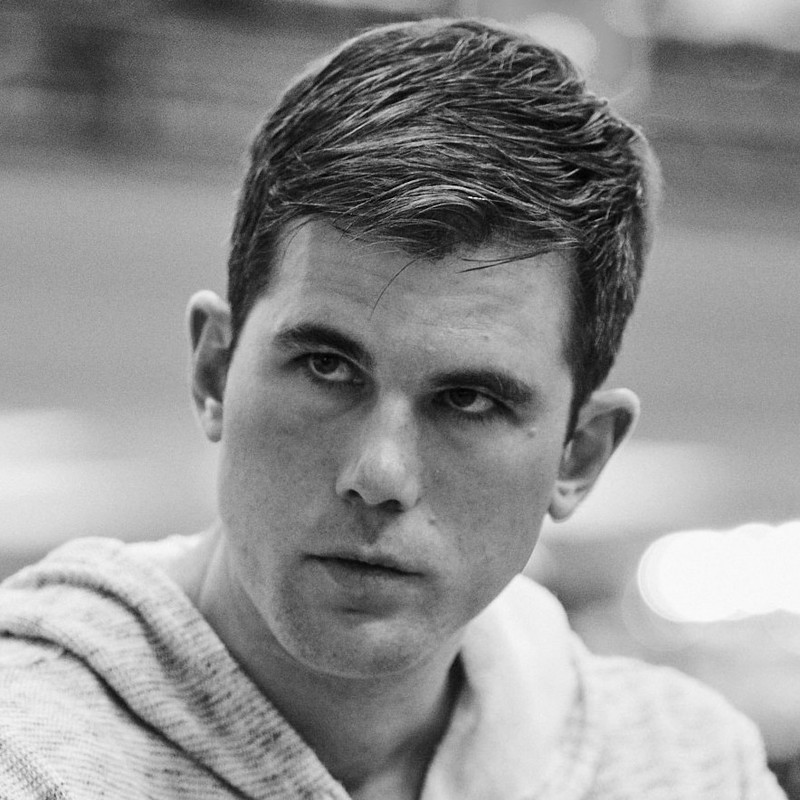 Alexander Fitzgerald is a professional poker player and bestselling author who currently lives in Denver, Colorado. He is a WPT and EPT final tablist, and has WCOOP and SCOOP wins online. His most recent win was the $250,000 Guaranteed on ACR Poker. He currently enjoys blasting bums away in Ignition tournaments while he listens to death metal. Free training packages of his are provided to new newsletter subscribers who sign up at PokerHeadRush.com