







David Coleman Still Riding High After Career Year On Tournament Circuit
Purple Jacket Proves There’s No Place Like Home
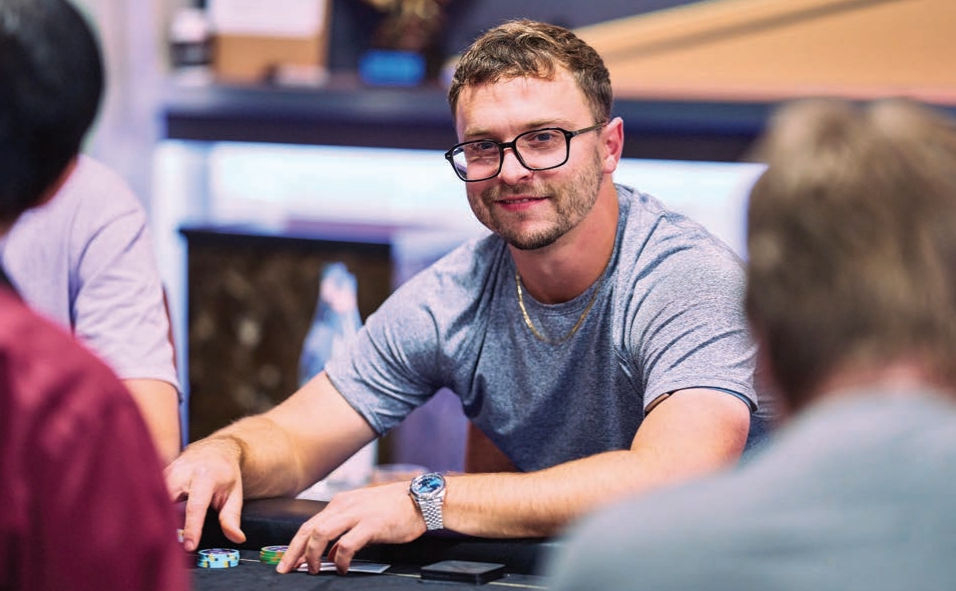
David Coleman had a career-defining year in 2024. He recorded over $5 million in results, more than tripling his previous best total. Coleman also narrowly missed out on Card Player Player of the Year honors, finishing second to Adrian Mateos.
After racking up four PokerGO Tour trophies, a WPT Trifecta trophy over the summer at Wynn, and his first $100,000 buy-in final table, Coleman elected to simplify things in 2025. After coming home from the Triton Super High Roller Jeju festival in March, Coleman decided to limit his travel and stick to playing almost all of his poker in Las Vegas.
There wasn’t much to celebrate over the course of a tough summer, but Coleman headed off for the one remaining big trip he’d planned for 2025, in Barcelona. During the EPT Barcelona festival, Coleman proceeded to rip off four runner-up finishes in big high roller events. Though he didn’t leave Barcelona with a trophy, there were multiple deals in play, and Coleman banked over $2.2 million across those four results.
That led nicely into Coleman’s return to Las Vegas in the month of September. He proceeded to rattle off a win, a runner-up, and three total cashes during the Poker Masters to earn player of the series honors and the coveted Purple Jacket.
Card Player recently caught up with Coleman to discuss his year as a homebody, the importance of winning the purple jacket, his ridiculous week in Barcelona, and what it’s like to find success in six-figure buy-in events.
Tim Fiorvanti: After you got back from Jeju earlier this year, you ended up playing exclusively in Vegas, with the obvious exception of your Barcelona trip.
David Coleman: It was definitely a conscious decision. I was traveling a lot last year, and there was a certain point, maybe, like September and October, where I started really caring about winning Player of the Year. I wasn’t missing any stops, and playing more than I really wanted to.
To be honest, as far as my personal well-being is concerned, I kind of felt a little burned out. I had such a great year last year, and I felt like I had accomplished so much, that I kind of wanted to take my foot off the gas a little bit and focus on other stuff in my life. It’s been really nice just spending more time at home, focusing on my health, spending more time with my girlfriend, and having more fun in general.
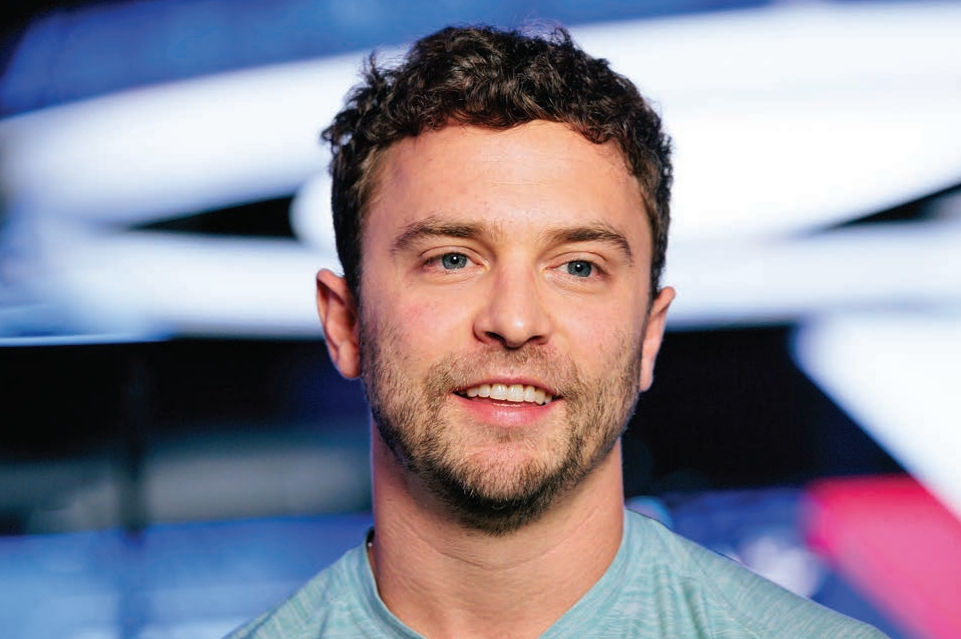
Fiorvanti: Las Vegas obviously offers a lot in terms of poker tournaments, but it feels like this summer was pretty tough in terms of how it played out for you.
Coleman: Yeah, this summer was pretty subpar. I was looking back at my results, and I didn’t have a score above three buy-ins. That’s pretty bad. I was playing online during that time, and doing well, so it kind of helped ease the pain. So, while it was certainly a subpar summer, that’s how it goes. It’s such a small sample of tournaments, and I certainly wasn’t discouraged or anything like that.
Historically, I haven’t had amazing summers, to be honest. 2024 was a bit of an exception, and it still wasn’t even the sickest summer ever, by any measure.
(Editor’s Note: Coleman made six final tables in the summer of 2024, including a win in the Wynn Summer Classic $25,000 high roller for $730,300.)
Fiorvanti: Things turned around in a hurry at EPT Barcelona. I know you had a couple final tables there last summer, but what made you change your mind about traveling?
Coleman: In 2024 I went to Barcelona for the EPT for the first time, and I really enjoyed it. Both my results, and my overall happiness. I really enjoyed the weather and the food and the culture, and a lot of my American friends went in 2024.
Only a few ended up going in 2025, but after that first experience it’s just something that I’ll always circle on my calendar. I love it, and there are some great tournaments too, obviously. The schedule is completely packed.
Fiorvanti: In one week you had four runner-up finishes. What was it like to experience that kind of success in such a short period?
Coleman: It’s certainly incredible and somewhat surreal to fathom that I could just run so good in consecutive events. I just felt extremely grateful. Once that first result hits, it feels like the confidence just keeps growing and growing.
It doesn’t feel like poker tournaments should go that way, but sometimes everything works out in your favor. And it’s a beautiful thing when it does.
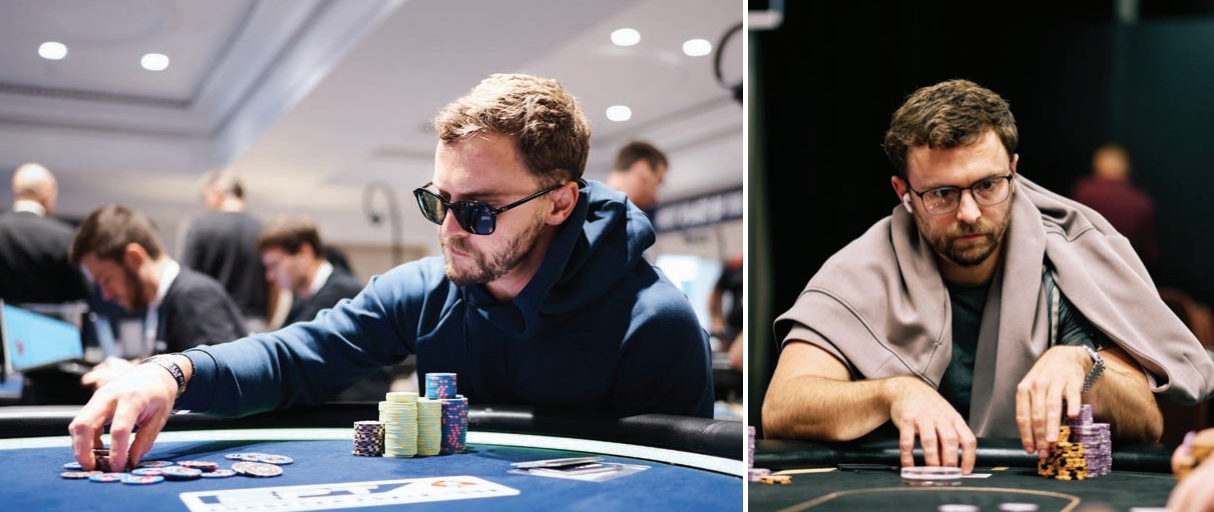
Fiorvanti: The biggest result of the four came in a €100,000 high roller. You played and final tabled the $100,000 Triton event at WSOP Paradise. I’m curious if there are any measurable differences for you between playing that and the $10,000-$25,000 buy-ins you normally playing in the PokerGO Studio, for example.
Coleman: I feel less and less of a difference every time I play at those stakes. I’m certainly not going to sit here and tell you that the first time I ever played a $100,000 event that I didn’t have nerves. The overall playing experience naturally feels heightened the higher the stakes you play. But it’s nice that it generally comes with better dealers and staff, and an elevated experience.
There’s just more intensity overall, which I really enjoy. I find myself more locked in with the higher stakes events I play, more focused. I’m definitely guilty of not giving it my all when I play the lower end of my buy-in range sometimes. But the brighter the lights are, the deeper that I am in the tournament.
Fiorvanti: That makes a lot of sense, but it’s an interesting segway into the success you had when you came back to Las Vegas. Your run in the PGT Poker Masters series began with a win in something of an outlier event inside the studio, a $5,000 buy-in event with a big field.
Coleman: Like you said, it was a bigger field than I’m used to playing at PokerGO, a little bit more of a recreational field by comparison. So, I had somewhat of a different approach, as far as not taking every spot, and to some extent, playing some more small ball. I think you could see that on the stream, as I kind of avoided playing big pots.
I was extremely fortunate to bag the chip lead after day one. I find that in the smaller PGT buy-ins, for players who don’t necessarily play in that $3,000-$5,000 buy-in range all the time, the bubbles are so important when you have enough chips to exploit it. A lot of players were playing scared and wanted to find that min-cash, which really worked to my advantage.
The final table was much more difficult. I was second in chips throughout the final table, I believe, for most of it. I was mostly just staying out of Andrew Ostapchenko’s way. Ultimately, it was another extremely fortunate tournament for me where things kind of went my way. At one point, I had 12% equity with all my chips in the pot on the flop, and I managed to win.
Fiorvanti: You had another cash mid-series, and then need a top-three finish in the finale. You’re at the final table with a chance to win the Poker Masters purple jacket. How much is that player of the series race on your mind as you try to actively play that tournament?
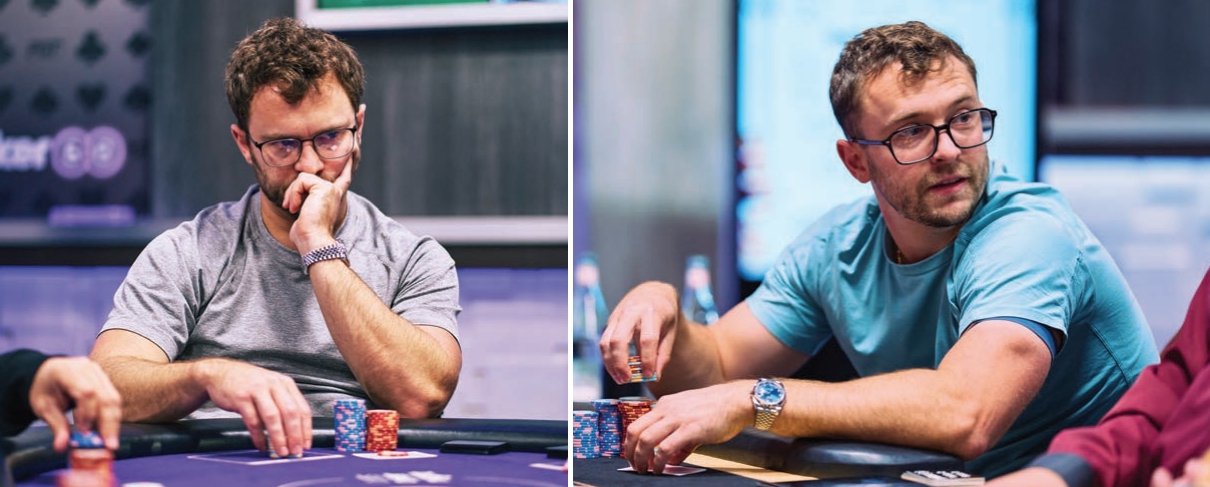
Coleman: PokerGO’s Donnie Peters interviewed me after I’d won, and I told him, straight up, that this was the most I’d ever deviated or adjusted my strategy during a tournament, where I had external incentives that really swayed some of my decision making beyond the action immediately in front of me.
I knew I needed to get third to pass Alex Foxen, and then I had to avoid Doug Lee and Dave Chen winning. The game plan early on kind of aligns with the way the PokerGO payouts work, where pay jumps are relatively insignificant from seven to six to five to four, before it starts to jump when you get to third and second. Conveniently, that aligned with my normal strategy, which allowed me to play somewhat aggressively early on. My plan early was to get chips and not really shy away from many situations.
I’d say the biggest deviation I had was when we were four-handed, because I really needed to lock up third. Dylan Linde was super short when we were four-handed, so I had to really stay out of the way of Brandon Wilson, and to a lesser extent, Doug Lee, because Doug and I had similar stacks.
I was highly motivated to get it done, even if it meant sacrificing a little bit of dollar EV in the tournament. Most notably, it was on full display when I flatted with pocket queens in the big blind against Brandon’s open on the button. With the incentive of me needing to get third, I thought it was a no-brainer, rather than three-betting and potentially playing for stacks.
It worked out how I needed it to. This purple jacket win is towards the top of my proudest moments of my life, and certainly my poker career.
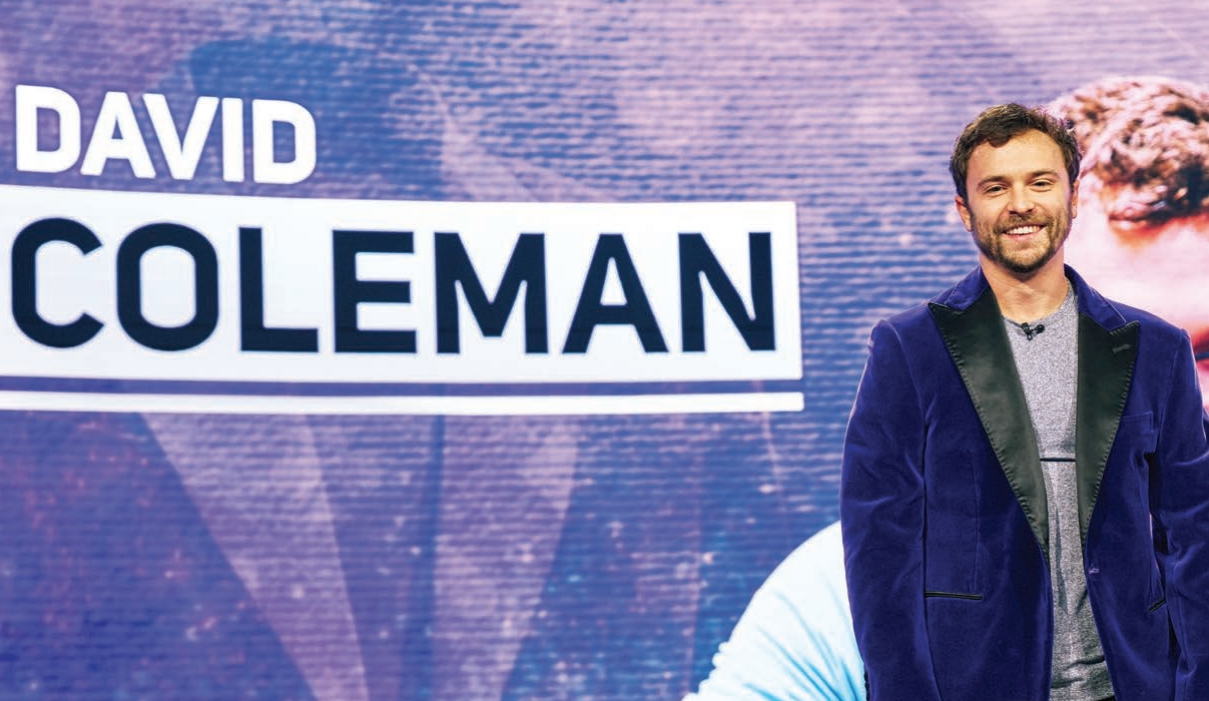
- Photos by PokerGO – Antonio Abrego