The Gambler
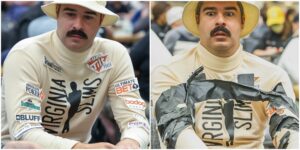
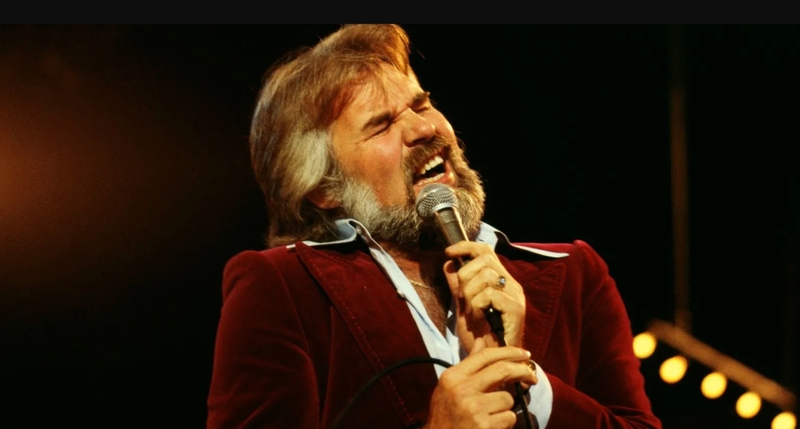
In the famous Kenny Rogers song The Gambler – which inspired a hilarious video send-up with Rounders characters Teddy KGB (played by John Malkovich) and Matt Damon’s Mike McDermott seemingly mouthing the corny-ass song’s words – the wizened narrator sings about knowing when to walk away and knowing when to run.
I always had the impression that, in the mind of Rogers, you make that move away from the game when you can no longer stand the bleeding of money. But unless your rent is on the line, quitting should be when you realize you can’t win, profits or losses in the moment be damned.
Maybe it’s because you’re undeniably outclassed at the poker table with opponents doing things that you fail to understand. Or perhaps your hole-carding opportunity dried up because the dealer shifted positions and won’t go back to the one you need. Maybe it’s because the count deteriorated so badly that winning at blackjack is best cut out for the house – at least until the shoe ends.
Gambling is great because, if you pay attention, it teaches you lessons that come in handy away from the table. I couldn’t help but think about the right time to give up the game when, this past weekend, Donald Trump and Xi Jinping bailed on freezing the world’s supply chain with unrealistic, unsustainable tariffs.
When things were dark and the stock market was tanking, there was talk – including from me – about which country’s citizens can take more discomfort. But I now believe that’s not what it was about. I think Trump realized he couldn’t outplay his opponent.
As Bloomberg Businessweek put it, Xi’s “defiance pays off as Trump meets most of China’s trade demands
If Trump thought he could win, he would have kept playing, kept reupping, kept pressuring. And, as things shook out, when the game ended, Trump and Xi each allowed the other to save face and declare their own victories of sorts. It’s what you do when you want to get invited back to the table.
My guess is that Tom “durrr” Dwan can relate to some of this.
Years ago, when he got into a mega heads-up match with Victor “Isildur1” Blom and lost $5 million, apparently the better part of his bankroll, he gave up when he lacked the resources to play. But, as long as he felt that the odds favored him, he would have been game to keep going. Or so I have been led to believe.
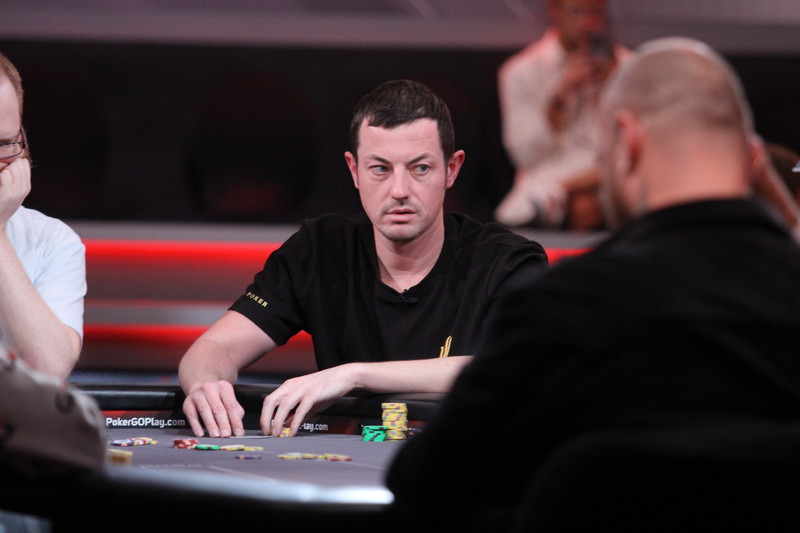
Tom Dwan
I remember interviewing Dwan about it and asking him why he did it. Why would he put his bankroll, built up over years, at stake?
He told me that it was because he believed he had an edge in the game. He believed it was the right thing to do. As I remember it, Dwan told me he would do the same thing all over again.
I completely believed him. From my days of card counting, I learned that you don’t get up from the table when there is a positive count – which means you are playing at an advantage – even if you are getting crushed.
To that end, it still stings a bit when I recall an all-too-memorable session at the Palms. I was ahead a couple thousand dollars after an hour of play. As per team protocol, following that allotment, I colored up and prepared to leave. Just then, however, a guy with a giant marker and a hot girlfriend sat down at the table.
Figuring that surveillance would be focused on him and his date, I couldn’t resist one last shoe. The count immediately went through the roof, my bets maxed out, and my good fortune plummeted.
The dealer drew fives and sixes with his 15 showing while I stiffed out on one hand after the other. As the smoke began to clear, with the count still raging, my playing bankroll was depleted. All I showed for my trouble was a pair of cracked open $10,000 wrappers on the table.
I skulked away and called our team’s money guy in Vegas. I let him know that I needed more dough. “Come by,” he said. “I’ll reload you and you’ll dig your way out.”
There was no sin in burning through loads of money. But it would have been unforgivable to quit playing with a high count just because I was running bad.
Donald Trump, America’s gambler in chief, clearly understands that, and I assume he gave up on his tariff binge when advisors saw the odds of winning hopelessly tilted against him.
As for the bleak blackjack session, my only regret was that I didn’t have more cash on me and that I couldn’t keep playing so long as the count called for it. As I was taught, when the going is good, you keep on going. Even if you’re getting creamed, you don’t walk away while expectations remain positive.
But when the odds make losing likely, to paraphrase Rogers, you need to know when to run.
 Michael Kaplan is a journalist based in New York City. He is the author of five books (“The Advantage Players” out soon) and has worked for publications that include Wired, GQ and the New York Post. He has written extensively on technology, gambling, and business — with a particular interest in spots where all three intersect. His article on Kelly “Baccarat Machine” Sun and Phil Ivey is currently in development as a feature film.