








This strategy column, and many like it, are featured in every issue of Card Player magazine. Subscribe today to get 26 issues delivered to your home each year!
Sometimes it’s hard to get a straight answer from a professional poker player. Ask three players a question, and you’re liable to get three different answers. Why? Because it depends on the situation, opponent, stack sizes, table image, and many other variables.
Head Games will peer deep inside the twisted minds of today’s top players. We’ll reveal why they do what they do in sticky situations. Let the games begin.
The Pros: Shane Schleger, Yevgeniy Timoshenko, and Mohsin Charania
Craig Tapscott: What are some of the main ways to take advantage of your position against opponents at the table?
Shane Schleger: Position is like a force of nature in a poker game. The dynamics of table position are so intrinsic to the game that weak players can use it to gain an edge against good players without even realizing it. The ability to act after a player in a hand allows the in position player to glean the maximum amount of information about his out of position opponent by being able to observe betting patterns and tells. The ability to observe is the greatest advantage of being in position. For a ‘feel player’, the most usable net effect of this is being able to win the hand in a lot of spots where hand values don’t matter so much. There are many poker situations where both players in a hand have missed or have marginal hands, and being able to act last in these close spots makes all the difference. Employing basic poker aggression in combination with position is going to get the job done in these instances, but more importantly, a player in position can leverage the information in a hand in order to create opportunities for effective bluffs and identify spots where calling with a ‘bluff catcher’ is clearly a good decision.
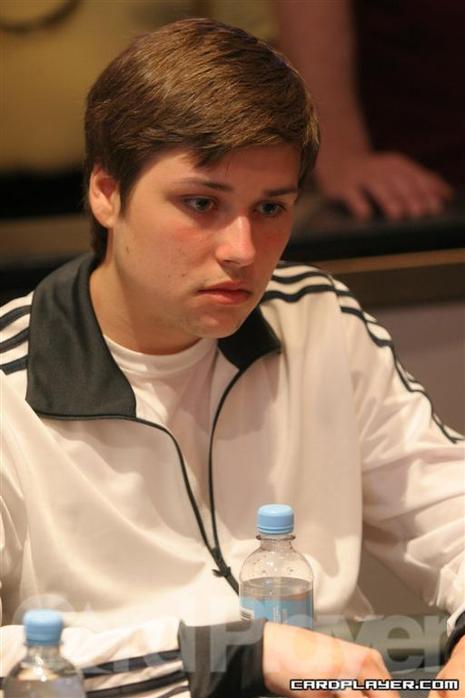 Yevgeniy Timoshenko: Having position is very advantageous because it allows you to win many more pots. The deeper the stacks, the more powerful your position becomes, because it allows you to gather more information and make better decisions. Having position allows you to put pressure on opponents with or without hands, and with better results. Timid players will often avoid playing a big pot out of position without a strong hand, because they’ll be afraid of being put in a tough spot. This will allow you to pick up many more small pots than you would be able to otherwise. Another major advantage to having position is it allows you to pick up pots that people have given up on; since people have learned how to combat continuation bets in position, players with initiative have started shutting down more and even check-folding flops that they think hit their opponents. This sometimes lets you pick up pots with just one bet. Finally, having position also allows you to assign your opponents more accurate ranges. Since you have more information on your opponents, you can narrow their ranges better based on how they act out of position. At times, this allows you to maximize your wins and minimize your losses.
Mohsin Charania: Having position can allow you to win a pot in several different ways. When you possess the knowledge of what your opponent is doing before your turn to act you have the ability to control pot sizes, which can often get inflated when you are acting out of position and almost clueless of your opponent’s next move. You can use your position on multiple streets as well. Players can ‘float’ flops without hands, because often their opponents will not continue to bet at pots out of position without a strong holding. Acting in position also allows you to put more pressure on your opponent, which is a key proponent in winning at poker. You can put in a raise after your opponent continuation bets to see how they react. You can also bet at pots when one or multiple people check to you, because often times that is a sign that they are giving up on the pot.
Craig Tapscott: How can you fight back against an aggressive player who is using their position to bully you?
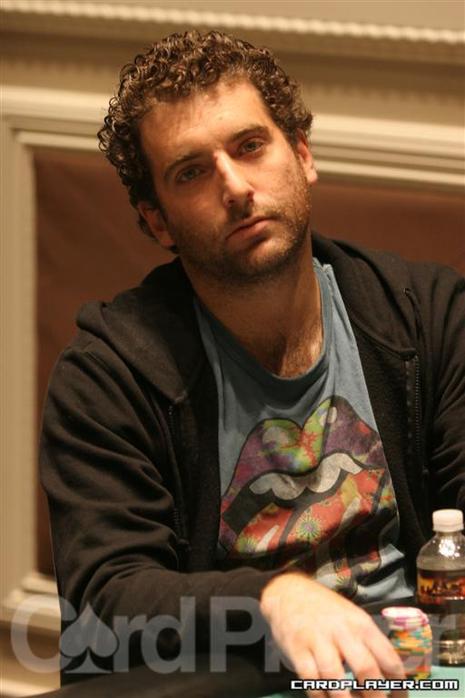 Shane Schleger: If a bad player can use position against you without realizing it, a good player doing it by design can make your time at the poker table truly difficult. Like many things in poker, there are different viable approaches to dealing with this dynamic. The simplest tool that I use to deal with a player like this is simply: pick your battles. This is where the ‘finding better spots’ becomes a relevant concept, and it’s often unnecessary to go to war with any one particular player when there are other players at the table who are probably easier to take advantage of. The other players at the table might be good, but if they don’t have position on you, you’re going to have the same ability to lord position over them. The more aggressive option is to look for 3-bet spots preflop and semi-bluff opportunities postflop where you have fold equity. This is where another cornerstone of poker dynamics—having a sense of your opponent’s range—is essential. You have to be able to roughly determine your equity vs. your opponent’s possible holdings and make some educated assumptions based on the possible outcomes (how much you win or lose when called and how often he folds). Against a good player who is using position to his advantage, it’s usually not a big mistake to bet and 3-bet with a big draw after the flop. Having outs and fold equity is one of the ways that you can neutralize positional advantage. This is also related to the concept that it’s OK to gamble against good players.
Yevgeniy Timoshenko: There is no easy way to fight against an aggressive player using their position. If you’re getting 3-bet a lot, a good way to combat a wide 3-bet range is to take some hands you might otherwise fold or call with and 4-bet them. Be careful though, as the deeper the stacks, the less effective this play becomes. Sometimes aggressive players won’t back down to 4-bets and will either call or reraise, so use the 4-bet wisely. Another option if your opponent is reraising a lot of hands is to simply take a hand that flops well and call. If you’re calling a lot of 3-bets, this will make it tough on your opponent to 3-bet many marginal hands and might slow him down. After the flop, your plan is to flop a big hand and hold on, but if that doesn’t work, you can always try to bluff, if you think you can represent a strong hand better than your opponent on certain boards. The easiest way to do this is by simply check-raising the flop and hoping to win the pot right there. Another riskier option is to float out of position hoping to take the pot down later, but there’s more that can go wrong with this play. Due to the aggressiveness of players today, you shouldn’t expect to get anyone off overpairs or better in reraised pots, but if both of you miss the flop, and you’re the most aggressive, you will often be able to pick up the pot if your table image allows it.
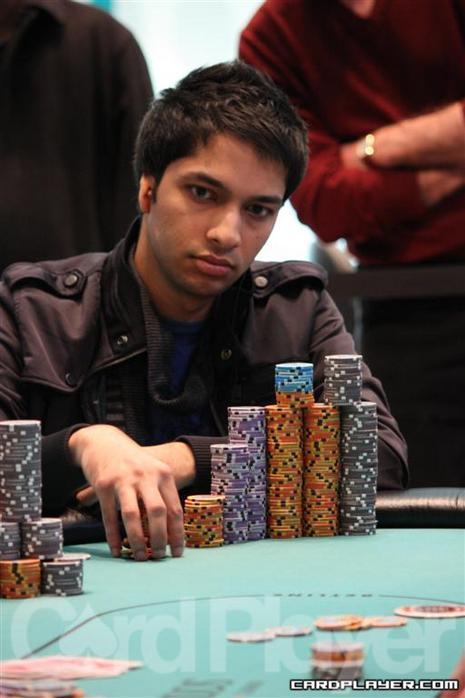 Mohsin Charania: Playing back at an opponent who is using their position to take advantage of you can be tricky. I think it takes a little bit of discipline. One way is to play tighter and wait until you make a strong enough hand that you are willing to put a lot of chips in the pot with. At this point you can use your opponent’s aggressiveness to your advantage. You can often times check to him and he will likely fire at a pot which you can then check-raise to build a nice pot or you can check-call out of position to make it look like you are weak. By check-calling you are letting your aggressive opponent continue to bluff-bet while you trap them looking weak out of position. Another way to take advantage of his aggressiveness is just to be even more aggressive then him. This can get very tricky, especially if you’re out of position; I would not recommend it for players that aren’t high-level thinkers yet.