



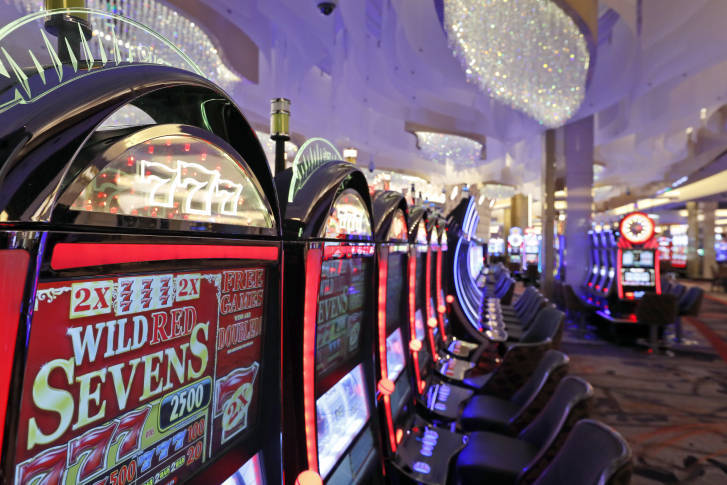
 The Maryland school system should be getting an influx of cash soon thanks to voters, who overwhelmingly approved Question 1 on the state midterm ballot. The measure, which increases the amount of casino tax revenue earmarked for education, passed with nearly 88 percent of the nearly 2 million votes cast.
As a result, lawmakers will now set aside an additional $125 million each year, increasing annually until 2023 when 100 percent of revenue will be allocated for supplemental funding for education.
Maryland’s casinos have so far been taxed an estimated $1.9 billion since slot machines were legalized in 2008 and tables games followed in 2012, but that money sits in an education trust fund, created in 2009. A school funding commission reported that Maryland is nearly $3 billion short of fully funding it’s educational programs.
The state’s six casinos are coming off of a record month for gaming revenue, having brought in $158 million, which is a 19 percent year-over-year increase.
According to the American Gaming Association, Maryland’s gambling market grew 34 percent last year to $1.6 billion. That growth far outpaced nationwide gaming revenue growth of about 3.4 percent in 2017.