


The World Series of Poker is cracking down on sponsorship patches and logos at this summer’s events.
WSOP officials recently updated rule 54(c) and spelled out a set of rules that ban certain logos, including:
- Competing online poker operators
- Over-the-counter drug products
- Tobacco
- Firearms
- Pornography
Under the plan, players must sign a release form before playing in a tournament. Additionally, players must notify tournament officials of any patches or logos they plan on wearing 24 hours before the tournament begins.
Lastly, WSOP officials ultimately decide whether the logo or patch is allowed. Initially, rule 54(c) only restricted patches and logos at live streamed final tables. The updated rule bans them throughout the series.
Poker Players Concerned
GGPoker’s parent company, NSUS Group, purchased the WSOP brand in 2024 for $500 million. Prior to the sale, there were no restrictions on player patches.
Social media chatter from tournament pros indicate WSOP officials already banned certain competing poker brands. ClubWPT Gold, CoinPoker, and Phenom Poker are among the banned brands.
Based on previous tweets I’ve seen, ClubWPT Gold, Coin Poker and Phenom Poker
— Kevin Mathers (@Kevmath) May 20, 2026
The move has caused considerable discussion among players, with some concerned about the impact that could be felt in the industry with players no longer able to market their sponsors while playing. Poker pros or even those who make a major final table would likely have limited options for selling the advertising real estate on their clothing.
Some also wondered if common logos like Nike and Gucci or popular sports teams would need prior approval. Beyond on-site tournament play, poker pro and YouTuber Joey Ingram said he was also concerned about the effects on poker content creators.
“The poker wars are heating up,” he posted on Twitter/X. “This looks bigger than a patch/logo crackdown. From how I’m reading the WSOP rules, this is now about controlling what branded/promotional content can be created inside the WSOP and then distributed on YouTube, IG, X, livestreams, etc.
“If your content includes sponsor reads, affiliate links, logo overlays, promotional language, or a brand WSOP does not approve, that may no longer be treated as just ‘creator content.’ It may be treated as unauthorized promotion.”
Reversal From Previous Years
In past years, players could wear any logo they wanted, with pros sporting patches of brands they represented. The changes have only been enacted since NSUS/GGPoker purchased the brand and come as the series plans to stream events live throughout the summer and also recently signed a deal to bring the series back to ESPN.
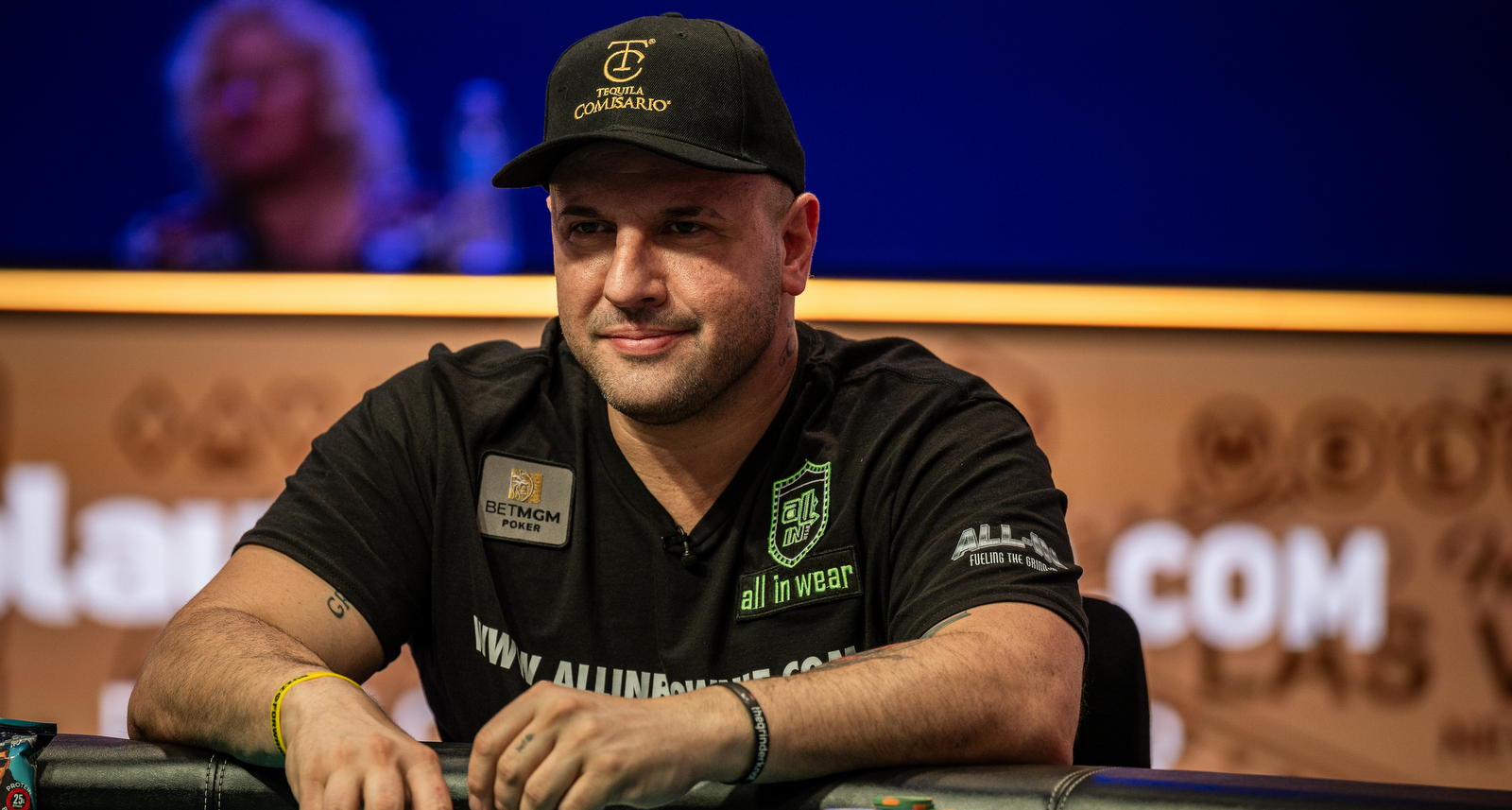
Numerous players in the past have represented companies like PokerStars, 888poker, Full Tilt Poker, and numerous others. Even 2025 main event winner Michael Mizrachi sported several sponsors on his shirt and hat. Those included a U.S. online poker operator, a social poker game, California’s Commerce Casino, and the AngelAI tech firm.
Whether the WSOP would approve those this year is up in the air. CoinPoker ambassador Patrick Leonard says he’s now unsure how much he’ll play or if he’ll play in the series due to the new rules. He also pointed to how the changes could hurt high-stakes regulars.
Re: @25kfantasy not sure what/if I’ll play. Currently been denied to wear a patch, which I believe can lead to disqualification at the tournament directors discretion.
I imagine, as with a lot of other players, this will complicate things. I understand and respect WSOP is more… pic.twitter.com/GrkEXEF83I
— Patrick Leonard 🫡 (@padspoker) May 15, 2026
Outside Promotions Prohibited
Along with the patch and logo changes, the WSOP has also banned outside promotions from affecting tournament play. That followed a 2025 ClubWPT Gold promotion that sparked a collusion controversy.
The online poker room awarded a “gold ticket” to certain players. Then, if any of those players won a bracelet while wearing a ClubWPT Gold patch, the winner would win an additional $1 million.
Allegations of collusion arose after the $1,500 Millionaire Maker event when James Carroll and Jesse Yaginuma played heads-up for the title. Carroll held a massive chip lead, but Yaginuma came out on top, and heads-up play included several hands that brought social media criticism.
Yaginuma collected an extra $1 million from ClubWPT Gold and some alleged the two players had a deal for the extra cash. In response, the rules now forbid any “action that is illegal, unethical, or constitutes cheating or collusion in any form.”
Players aren’t allowed to receive any additional financial gain based on their finish in a WSOP event, with series officials having sole discretion in enforcement.
Not everyone is against the moves the WSOP has made for this year’s series. Poker player and tech entrepreneur Bob Mather believes curtailing certain sponsors and content is a sign the game has reached a level of maturity, similar to the PGA and other organizations controlling outside sponsorship deals.
“WSOP owns poker’s biggest stage,” he posted on Twitter/X. “They have every right to curate sponsors on their broadcasts to protect mainstream appeal – approving established operators while blocking unregulated ones makes sense for long-term growth. This professionalizes the game, attracts premium partners, and expands the audience beyond the wild-west era.”