



A single poker tournament victory, while often quite lucrative, is hardly a sufficient measure of who was the best player in the field. An amateur player can have the run of a lifetime on the way to capturing the World Series of Poker main event title and a multi-million-dollar payout, and not necessarily come away as the best on the scene despite dominating the headlines and sometimes, topping the earnings leaderboard.
The Card Player Player of the Year race was first established in 1997 to try to find a better measure of excellence than money alone. The POY race tracked performance over a larger sample size, with the stats from 12 months painting the picture in finer detail.
While the results from a calendar year are definitely impactful on their own, one can’t help but wonder how the top competitors stack up when zooming out even further. With that in mind, Card Player looked back over the data from the past ten years to find who could lay claim to the unofficial title of Player of the Decade.
We combed over stats from the final standings of the POY races from 2016 through 2025, an era defined by the rise of GTO solvers, the explosion of the super high roller scene, and a global circuit that never sleeps. Below is an in-depth look at the tournament superstars who shone brightest.
| Player | Total Points | Titles | Final Tables | Total POY Earnings |
| Stephen Chidwick | 58,524 | 32 | 183 | $57,688,760 |
| Alex Foxen | 56,678 | 26 | 164 | $45,246,491 |
| Adrian Mateos | 45,307 | 19 | 124 | $45,435,454 |
| Jason Koon | 41,063 | 24 | 111 | $59,794,877 |
| David Peters | 39,522 | 26 | 126 | $38,964,382 |
| Sam Soverel | 39,174 | 29 | 141 | $27,091,174 |
| Jeremy Ausmus | 36,512 | 14 | 110 | $19,979,315 |
| Sean Winter | 36,391 | 15 | 119 | $30,555,722 |
| Isaac Haxton | 35,738 | 16 | 111 | $45,142,986 |
| Cary Katz | 35,658 | 19 | 146 | $30,430,165 |
After crunching the numbers, the decade’s top tournament player is unequivocally Stephen Chidwick. The 36-year-old poker pro from Deal, England, is one of two players during this span to win the award twice, having come out on top in both 2019 and 2022. The other is Adrian Mateos (2017, 2024).
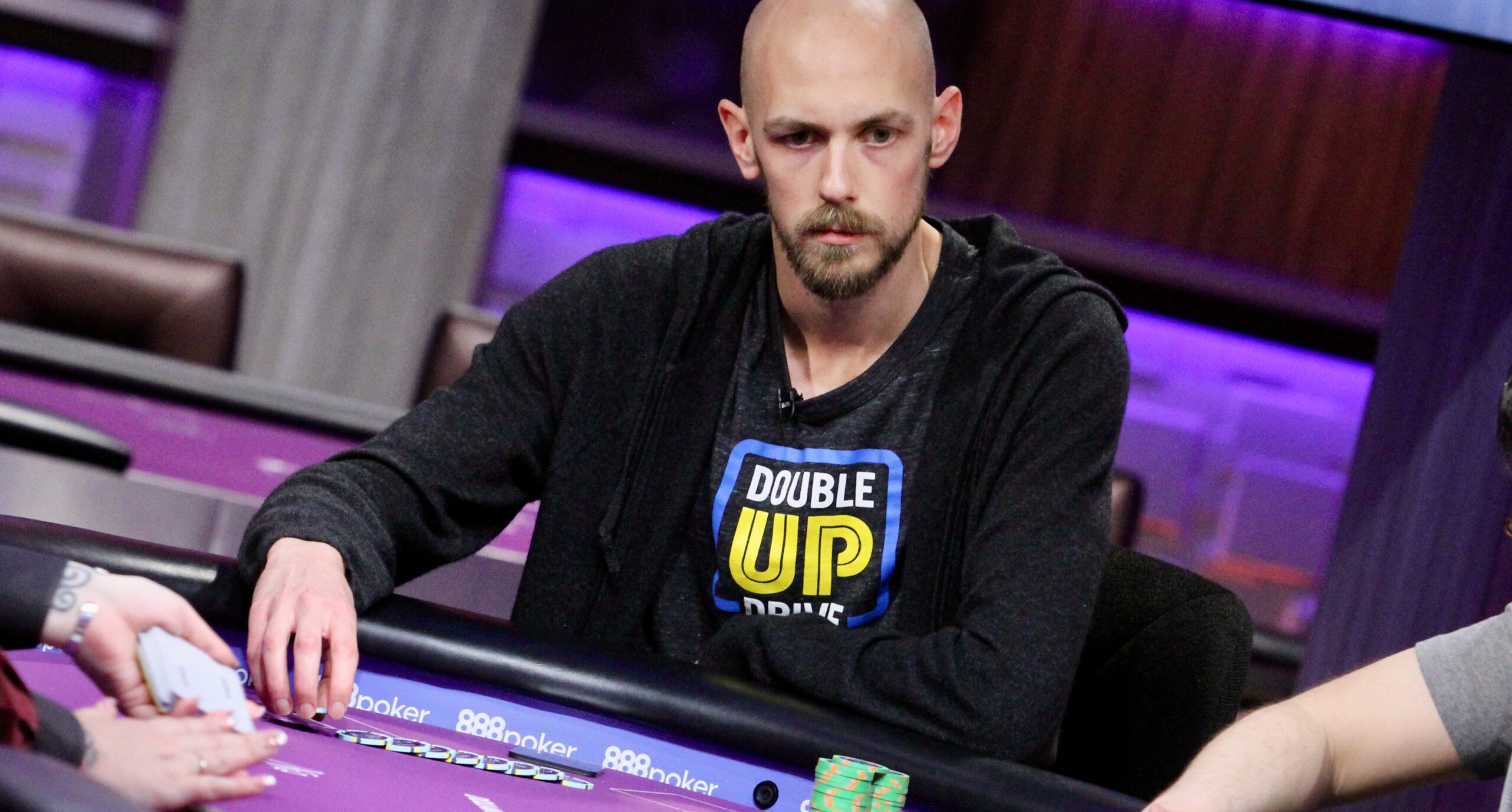
Stephen Chidwick
- Best POY Finish: 1st (2019, 2022)
- Worst POY Finish: 36th (2016)
- Top POY-Qualified Score: 1st in 2025 Triton Jeju $200,00 short deck – $3,445,000 (720 points)
While Chidwick has reached the highest heights in this points race twice, his place atop this Player of the Decade leaderboard was not secured via two outlier years. On the contrary, his average finishing spot of just shy of 11th place over the past 10 seasons attests to unmatched consistency.
After a (by his standards) slow start to the decade with a 36th-place finish in 2016, Chidwick had finished inside the top ten seven of the past nine years. His two down seasons in that stretch? A 15th-place finish in 2021 and a 23rd-place showing in 2020, both years that saw the live tournament scene impacted by the COVID-19 pandemic.
Outside of 2020, Chidwick has made 13 or more final-table appearances every year of this decade, with an average total of more than 18 and a personal decade-best performance of 26 in 2018.
He is unrivaled amongst the top ten on this leaderboard when it comes to total POY-qualified final tables (183) and POY-qualified titles (32). He has accumulated nearly $57.7 million in POY earnings along the way, which makes for an average haul of over $5.7 million per year. His career total of $79.5 million places him second on poker’s all-time money list behind only Bryn Kenney ($85.7 million).
While his largest payday in a POY-qualified event was the more than $3.4 million he won in a $200,000 short deck event at the 2025 Triton Jeju stop, his largest POY point windfall came with a second-place showing in the 2023 World Series of Poker $10,000 no-limit hold’em six max championship for $653,688 and 1,750 points. While Chidwick fell just short in that event, he has two bracelets that were both won during the past decade: a win in the 2019 $25,000 pot-limit Omaha event ($1,618,417 and 1,512 points) and another in the 2024 WSOP Paradise $50,000 PLO ($1,357,080 and 1,122 points).

Alex Foxen
- Best POY Finish: 2nd (2019)
- Worst POY Finish: 906th (2016)
- Top POY-Qualified Score: 1st in 2022 WSOP $250,000 NLH – $4,563,700 (600 points)
Chidwick is one of just two players to accumulate over 50,000 POY points during the 10-year sample in question. The second is Alex Foxen, who managed the feat despite not yet winning the POY race. Even without that feather in his cap, the 35-year-old former collegiate football player has embodied the consistency that the award was created to honor.
That reliability has been particularly evident for the past nine years. After a 906th-place finish in 2016, Foxen broke through with a 19th-place showing in 2017. From then on, he finished no lower than ninth in the year-end standings. His average placement from 2018 through 2025 was just better than fifth place, with a runner-up (2019), two third-place finishes (2018, 2025), and a pair of fourth-place showings (2021, 2022). He wound up with an average finish of just shy of 96th place, but that figure is massively impacted by the outlier 2016 input of 906th place.
Foxen, a World Poker Tour main event champion and three-time bracelet winner, has nearly $58.5 million in lifetime tournament cashes. More than $45.2 million of that has come from his 164 POY final-table finishes. That is the second-highest final-table total behind only Chidwick among the top ten on this leaderboard. His 26 POY-qualified victories during this decade are tied with David Peters for the third-best total in that metric.
The biggest payday for Foxen during this stretch was the nearly $4.6 million he secured as the champion of the 2022 WSOP $250,000 high roller. His single-biggest POY haul was the 2,400 points that came with his victory in the 2019 WPT Five Diamond main event. He beat out 1,035 entries in that $10,000 no-limit hold’em affair to earn nearly $1.7 million.
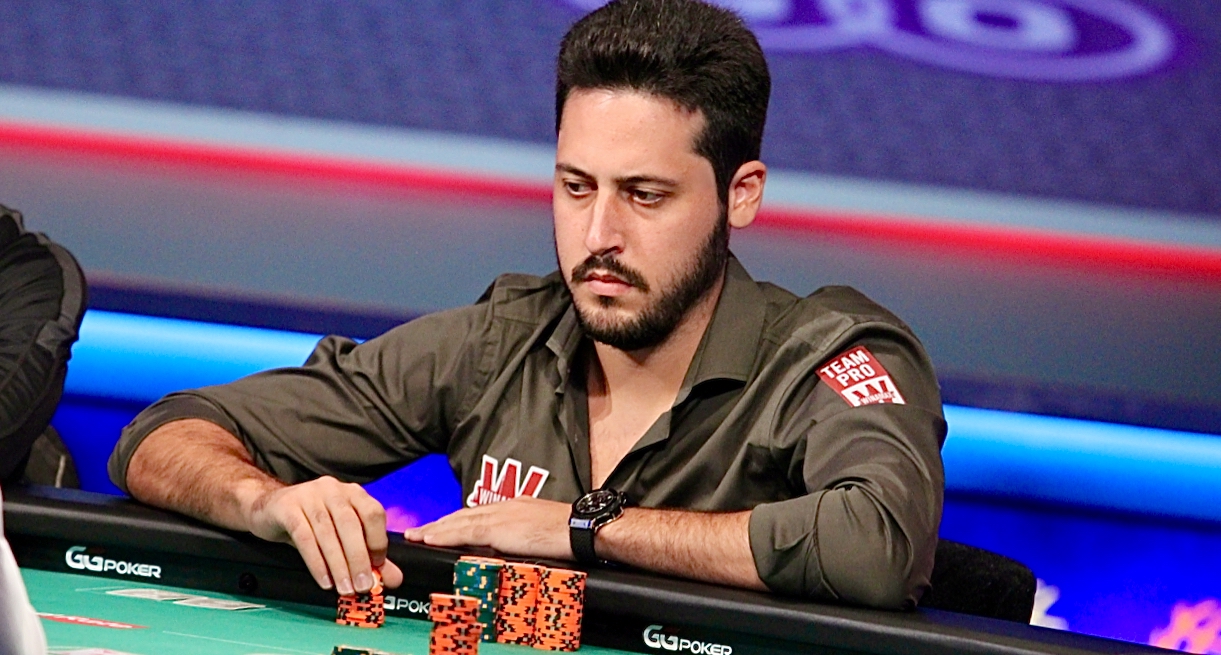
Adrian Mateos
- Best POY Finish: 1st (2017, 2024)
- Worst POY Finish: 447th (2025)
- Top POY-Qualified Score: 2nd in 2024 Triton Montenegro $200,000 NLH – $3,292,000 (900 points)
Like Chidwick, Spain’s all-time money leader, Adrian Mateos, has won the POY award twice in the past ten years. What separates the two megastars on this list is not the heights of their best years, but the level of falloff between their best showings and their worst. While Chidwick finished worse than 36th, Mateos logged three years outside the top 100, including a decade-worst 447th-place showing in 2025 after winning the race outright the previous year.
But make no mistake, this is picking nits between two incredible and consistent performers. Mateos was a top-20 player six of the ten years in question, including his two POY wins in 2017 and 2024. The latter triumph was a particularly impressive outing, with over $11 million in POY earnings accrued across 21 POY-qualified final tables. Mateos’ 10,174 points that year tops any single-year total accrued by the two players above him on this leaderboard.
For what it’s worth, two of Mateos’ three worst performances came in the pandemic-impacted years of 2020 and 2021.
Mateos is just 31 years old, having established himself as a top player on the live circuit as a teenager. The five-time bracelet winner has more than $58 million in lifetime earnings, with $45.4 million coming from his 124 POY-qualified final tables across the past 10 years.
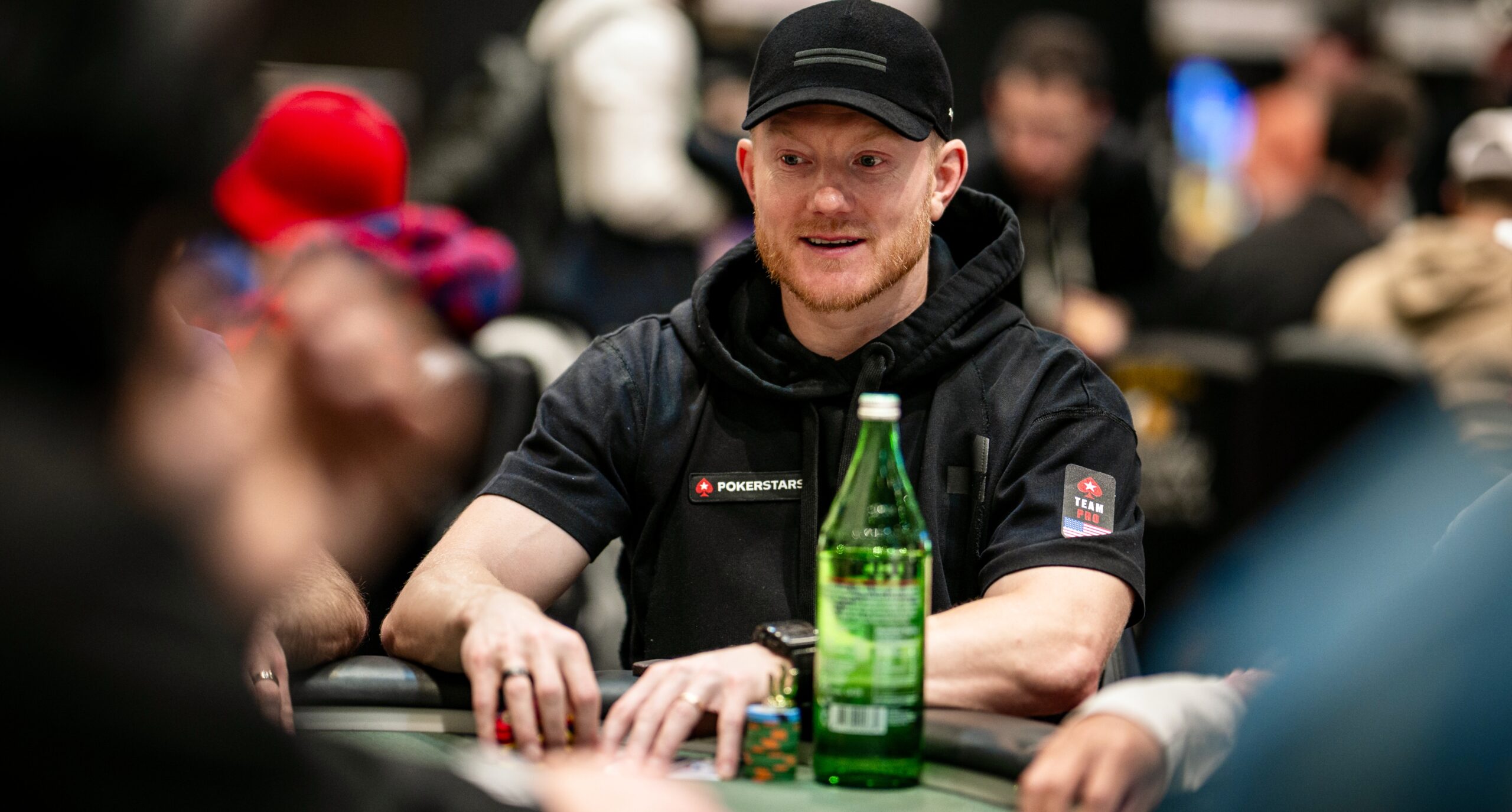
Jason Koon
- Best POY Finish: 8th (2017, 2018, 2023)
- Worst POY Finish: No points recorded (2020)
- Top POY-Qualified Score: 1st in 2018 Triton Montenegro $1M HKD Short Deck – $3,653,260 (1,200 points)
Jason Koon outstrips all other contenders in the top ten when it comes to POY earnings, with a staggering $59.8 million accrued this decade. The 40-year-old American pro achieved that incredible total despite being tied with Isaac Haxton for the lowest final-table total of any player inside the top ten.
That all checks out, given Koon’s targeted focus on the highest buy-in events on the globe in recent years. While he was once grinding everything on the schedule, Koon has pared back the number of tournaments he plays while winning his way to legendary status on the nosebleed-stakes Triton Poker circuit.
Koon has a record 12 Triton titles to his name, double the count of the nearest competitors (Matthias Eibinger and Punnat Punsri are tied with six). He has cashed for nearly $38.3 million on that tour alone, which coincidentally was founded the same year that this Player of the Decade sample begins.
The two-time bracelet winner is far from a one-trick pony, though. Even if his four largest scores all came in Triton tournaments, he also finished third in the 2018 Super High Roller Bowl for $2.1 million, and won a $50,000 event at the 2025 WSOP for just shy of $2 million.
Koon is one of several players inside the top ten who did not record a POY-qualified score in one or more of the years being tracked. He and David Peters both missed out on one year, while Isaac Haxton had two such outings during the time in question. In 2020, Koon’s only recorded cashes came in online events that didn’t award POY points.
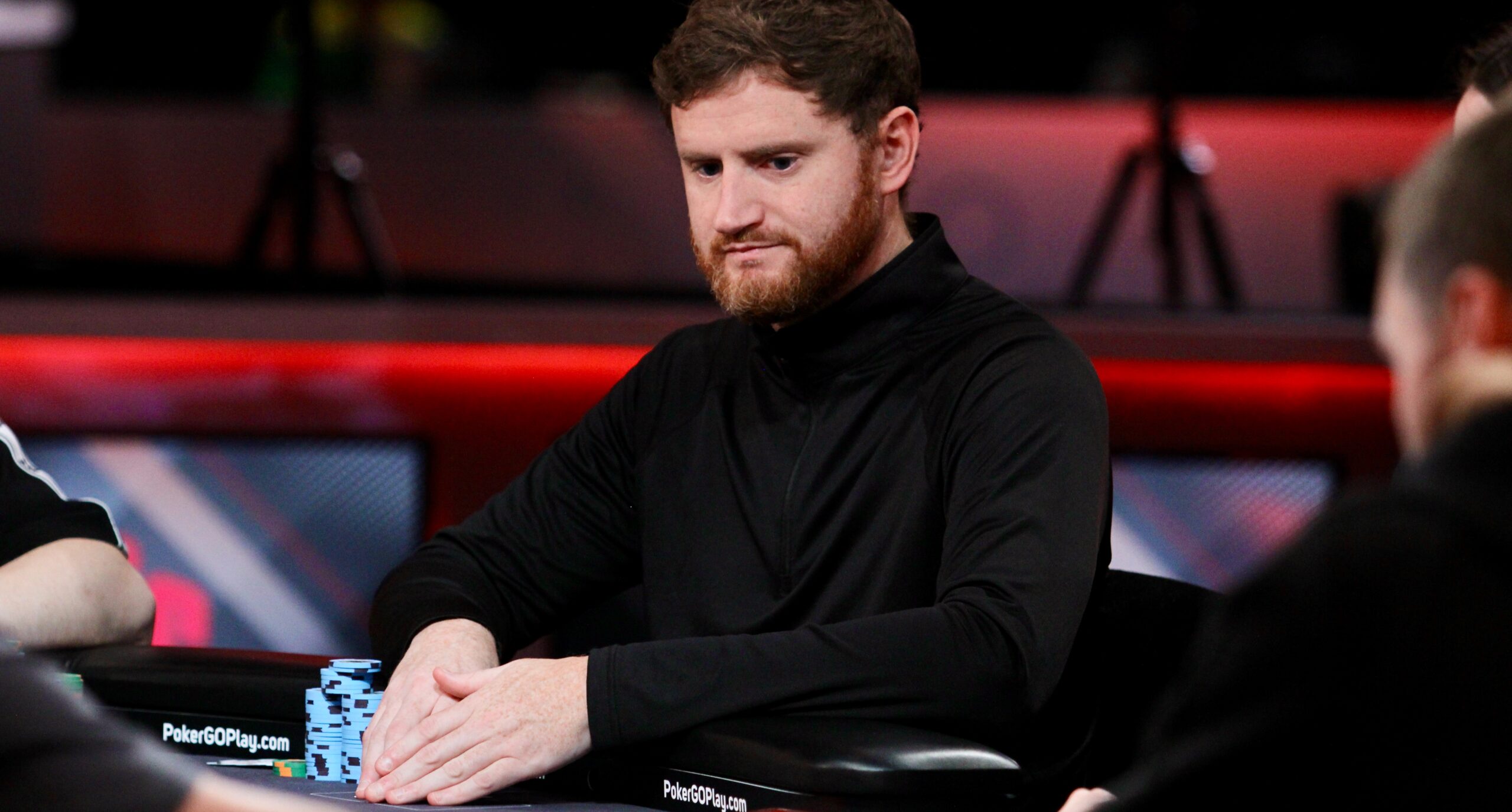
David Peters
- Best POY Finish: 1st (2016)
- Worst POY Finish: No points recorded (2020)
- Top POY-Qualified Score: 2nd in 2016 WPT National Philippines $200,000 NLH – $2,309,000 (500 points)
David Peters started this decade red hot, with a win in the 2016 POY race, followed by a sixth-place showing in 2017 and a fourth-place finish in 2018. He accumulated 21,694 points in those three runs alone, accounting for just shy of 55 percent of his total for the entire 10-year sample.
Things have not fared quite as well for Peters in the post-pandemic era, with his best showing being 18th in 2021. To keep things in perspective, though, the four-time WSOP bracelet winner has recorded nearly $13.7 million in POY earnings from 2021 through 2025, with 10 titles won along the way.
Peters’ POY victory in 2016 saw him win five titles and make 22 final tables, accruing nearly $7.4 million in POY earnings along the
way. Interestingly, he is one of just three players on this leaderboard to have won the race outright in any given year. The five players directly following him never achieved that distinction, despite their impressive consistency on the circuit.
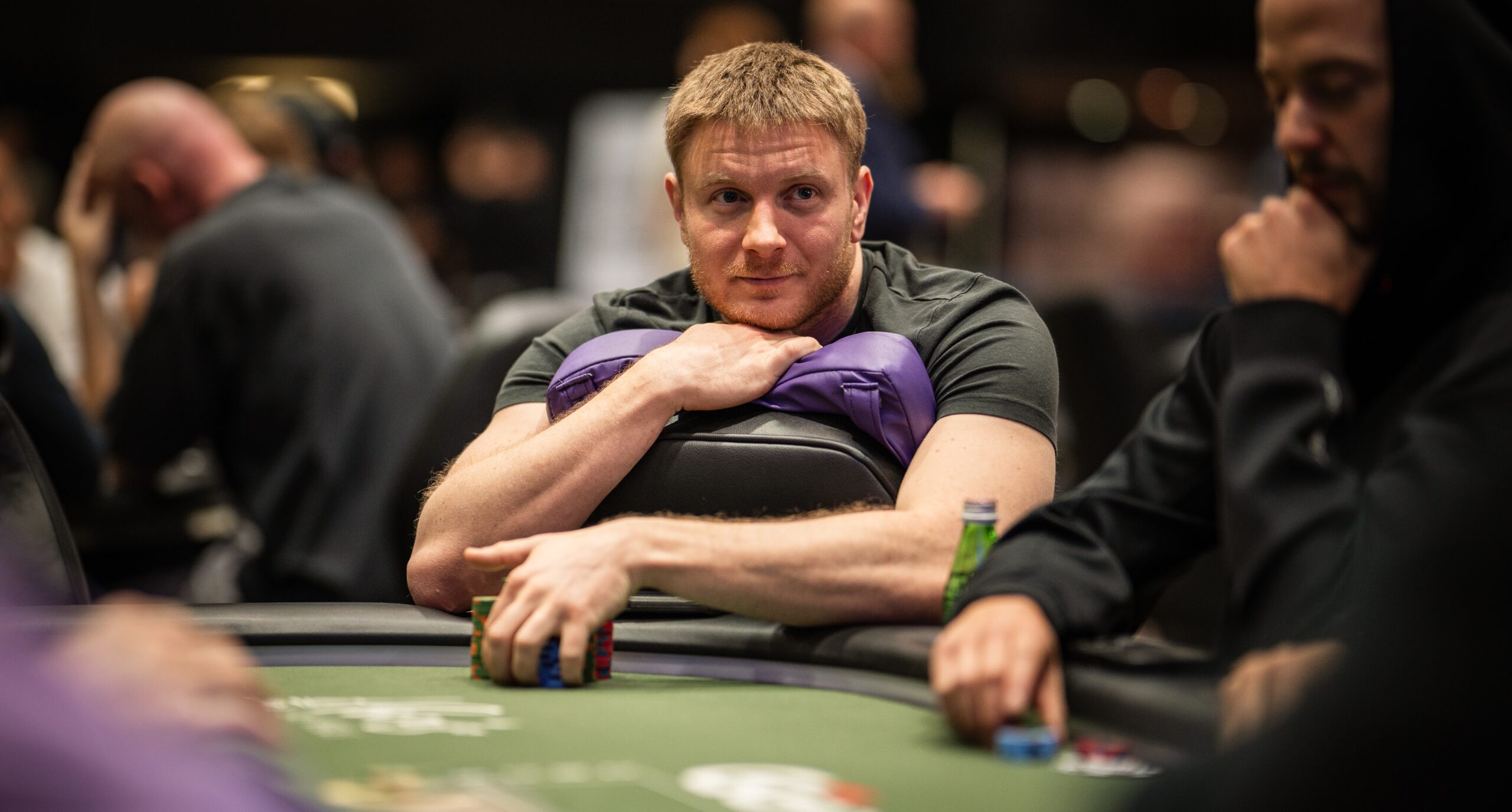
Sam Soverel
- Best POY Finish: 4th (2019)
- Worst POY Finish: 1,730th(2020)
- Top POY-Qualified Score: 1st in 2025 WSOP Paradise $100,000 PLO – $2,594,000 (1,200 points)
With four bracelets, a National Heads-Up Championship title, and a record 14 PokerGO Tour titles, Sam Soverel is one of the most decorated tournament players on the circuit. The Florida native, now based out of Las Vegas, has accumulated the second-highest title total of any player in the top ten of this leaderboard with 29 wins this decade.
The 35-year-old has four top-ten finishes, and only ended the year outside the top 68 twice on the decade. While one of those two down years came in 2020 (1,730th with just two POY-qualified scores), he also finished 203rd in 2022. The past three years have seen his final table count surge back up into the double-digits, including 17 final tables and six titles won on the way to an eighth-place showing in 2025.
Both his largest career payday and his biggest POY-point haul came in 2025, and both in bracelet events. He took down a $100,000 pot-limit Omaha event at the WSOP Paradise in December for nearly $2.6 million. Earlier in the year, he triumphed in the $10,000 six-max no-limit hold’em championship, topping 546 entries to secure the gold, the $986,337 top prize, and a personal-best 2,100 points.
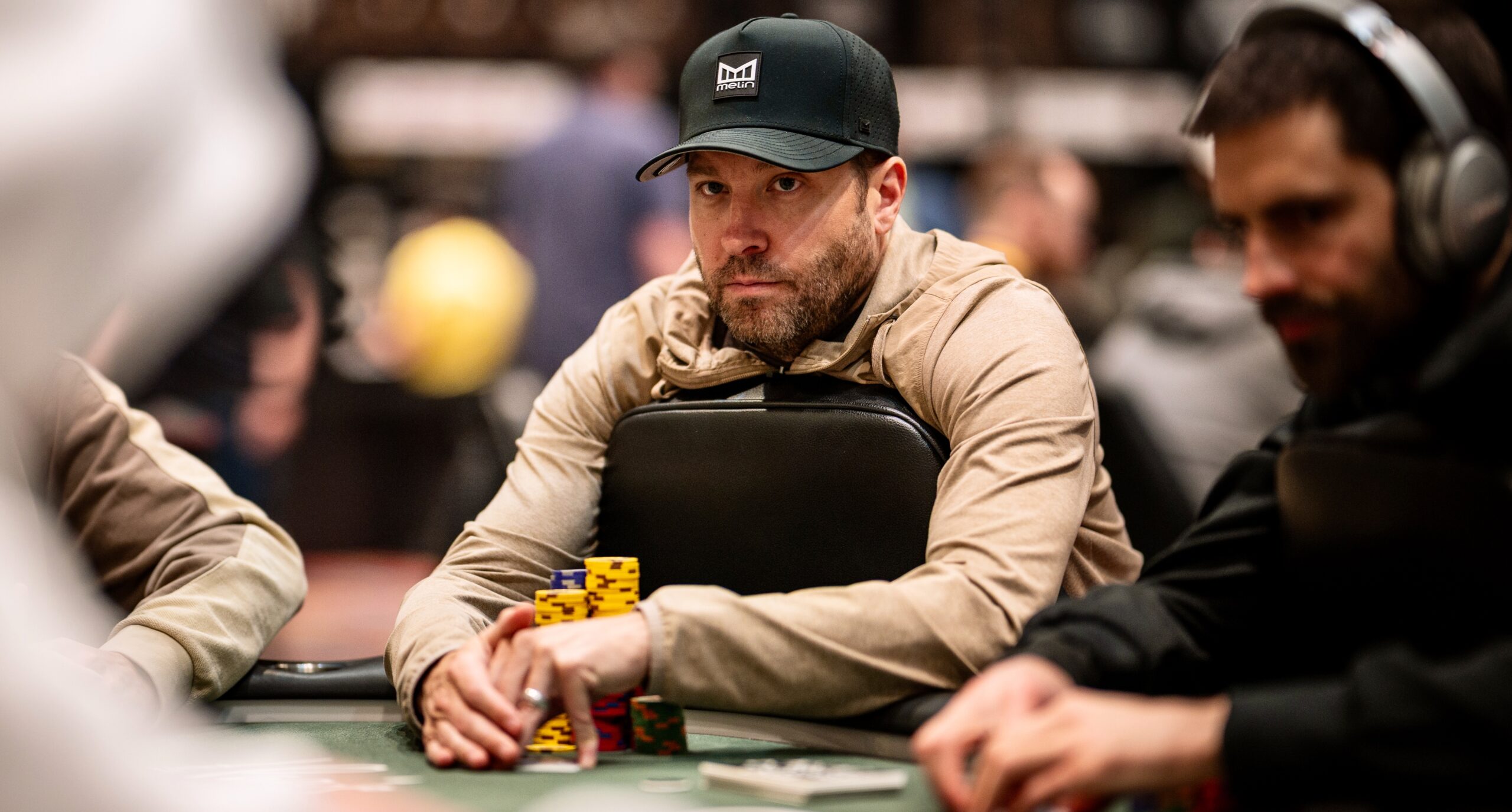
Jeremy Ausmus
- Best POY Finish: 5th (2022)
- Worst POY Finish: 8,827th (2017)
- Top POY-Qualified Score: 2nd in 2024 WSOP $100,000 NLH – $1,892,260 (1,000 points)
Jeremy Ausmus’ first brush with tournament poker fame came when he finished fifth in the 2012 WSOP main event for $2.1 million. While he was focused on cash game action earlier in his career, the 46-year-old poker pro has since switched up his approach and become a tournament grinder. The decision has come with numerous accolades, including six gold bracelets, the 2024 PGT Player of the Year title, and nine PGT victories.
The Las Vegas resident has piled up just shy of $20 million in POY earnings this past decade, with six of his past seven year-end rankings coming in at 26th or better. His overall average finish is weighted down by a trio of weaker showings, with the first two coming in 2016 (943rd) and 2017 (8,827th), before he upped his volume. The most recent down year was, unsurprisingly, 2020.
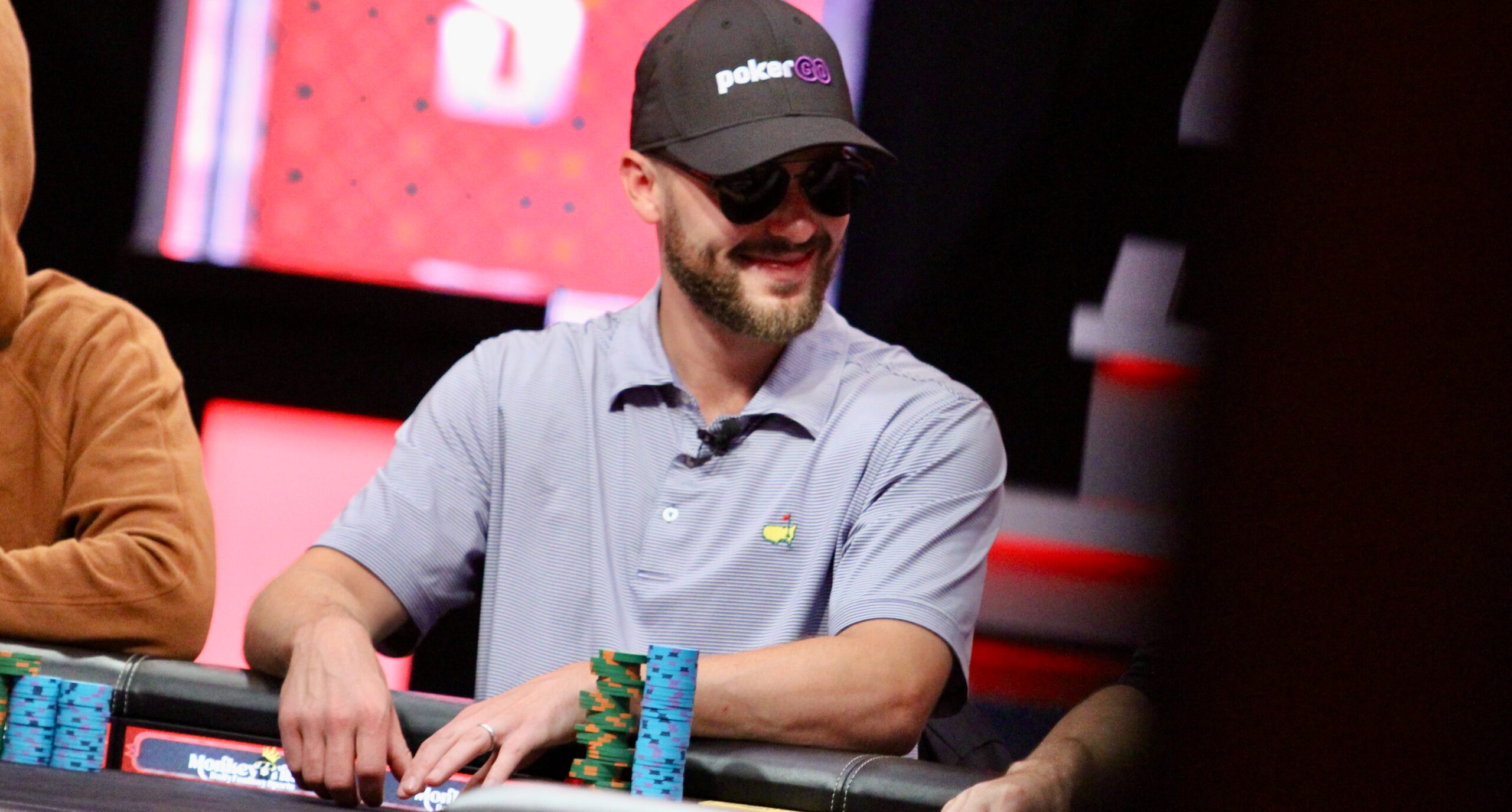
Sean Winter
- Best POY Finish: 3rd (2019)
- Worst POY Finish: 390th (2020)
- Top POY-Qualified Score: 2nd in 2018 Caribbean Poker Party $250,000 NLH – $2,430,000 (480 points)
Florida native Sean Winter first made a splash on the tournament scene in the early 2010s. After securing a Card Player Poker Tour title at his hometown casino, bestbet Jacksonville, in 2014, he began a rapid ascent up the stakes that led to regular appearances in the largest events around the globe.
The 35-year-old has finished inside the top 400 each and every year of the decade, with eight finishes of 64th or better. His best performance came in 2019, when he placed third thanks to four wins and 17 final-table finishes on the circuit.
A year before that, he logged the largest score of his career when he placed second in a $250,000 high roller at the Caribbean Poker Party for $2.4 million. His largest POY point total came when he took down the 2019 Seminole Hard Rock Poker Open $5,000 main event, besting a field of 809 entries to earn $698,175 and 1,824 points.
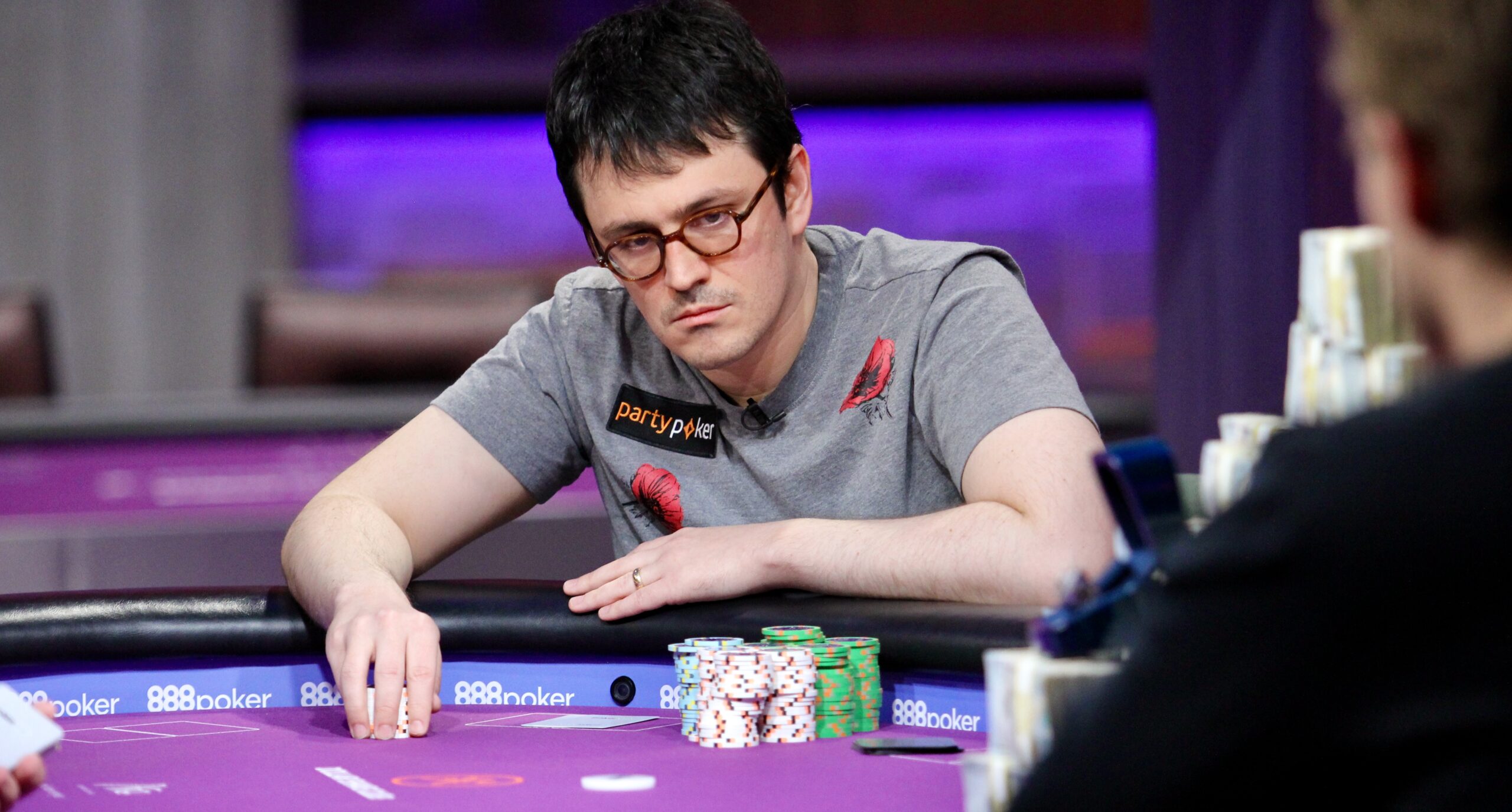
Isaac Haxton
- Best POY Finish: 2nd (2023)
- Worst POY Finish: No points recorded (2020, 2021)
- Top POY-Qualified Score: 1st in Super High Roller Bowl VIII $3,672,000 (480 points)
While three players managed to make the top ten despite having a year without any POY points earned, Isaac Haxton was the only one to earn that distinction twice (2020, 2021).
What Haxton might have lacked in quantity, he more than made up for in quality. He had three years with more than $8 million in POY earnings accrued (2018, 2023, and 2025). The best among those was 2023, which saw him win seven titles and make 27 final tables. He racked up more than $15.9 million in POY earnings that year alone. Among his big victories that year were a title run in the Super High Roller Bowl VIII for $2.8 million for his second career SHRB ring and his first bracelet win, taking down a $25,000 high roller for $1.7 million and the gold.
The 40-year-old poker pro now has more than $66.5 million in career tournament earnings. Haxton fueled that total by making 111 POY-qualified final tables, earning more than $45 million across those runs alone.
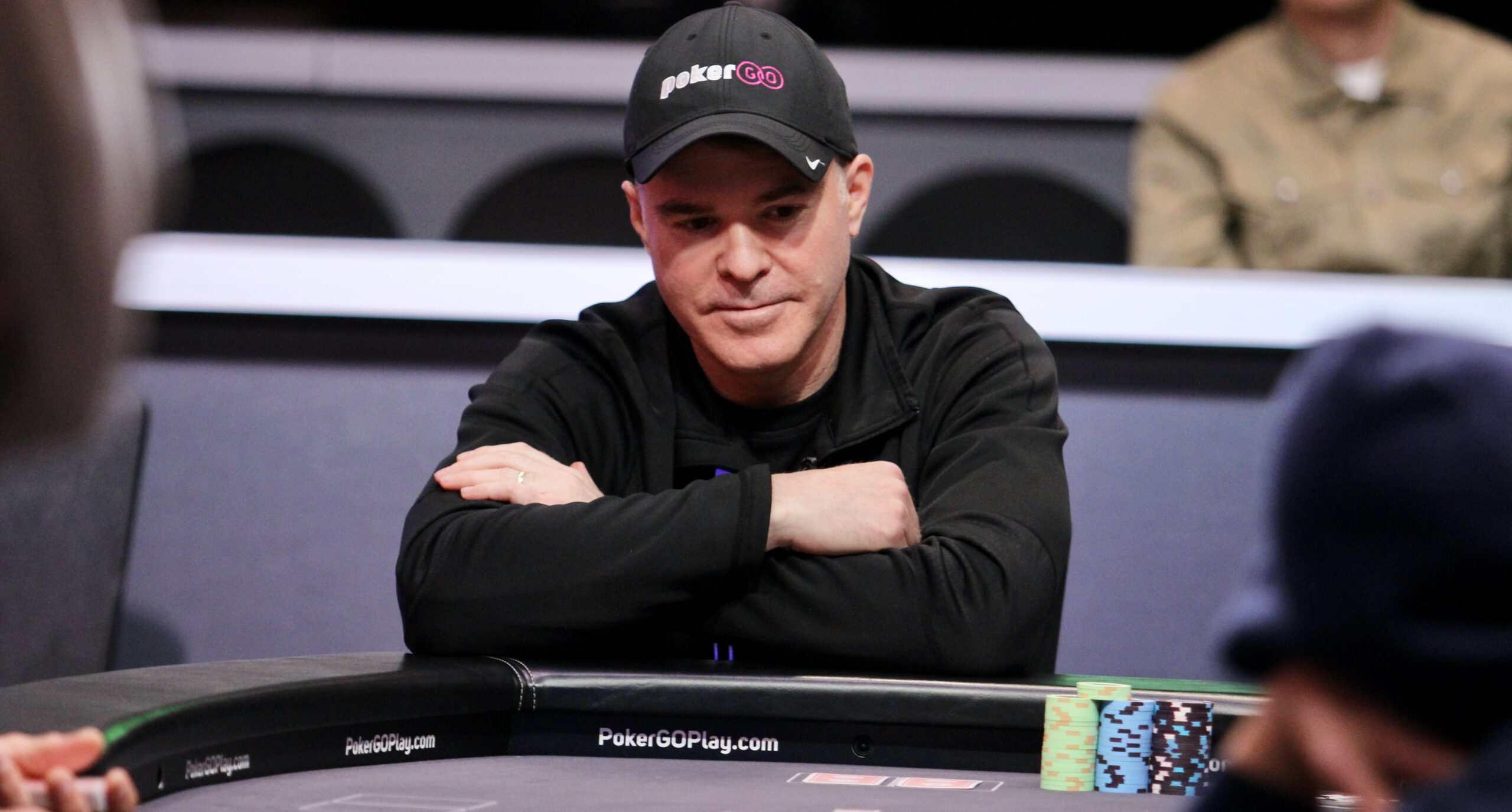
Cary Katz
- Best POY Finish: 2nd (2020)
- Worst POY Finish: 1,118th (2024)
- Top POY-Qualified Score: 1st in 2019 Super High Roller Bowl London – $2,541,000 (240 points)
Rounding out this leaderboard is PokerGO founder Cary Katz. The businessman and high-stakes poker crusher has been a steady presence on the circuit throughout the decade. He started off particularly strong, capping a five-year streak inside the top 20 with a second-place showing in 2020.
Katz’s average finishing spot from 2016-2021 was 12th. The average was since weighed down a bit by his four lowest final rankings of the decade from 2022-2025. In 2024 he recorded just three final-table appearances. That seems like an outlier given he averaged 16 per year the rest of the decade.
The 56-year-old bracelet winner has compiled over $42.6 million in career cashes. More than $30.4 million of that came from his 146 POY final-table finishes from the past decade. That was the second-highest final table count of any player in the top ten.
To see how these superstars and all of the other top poker players in the game are faring in the 2026 POY race, check out the overall standings presented by CoinPoker.
Lead image photo credits: Rational Intellectual Holdings Ltd., WSOP.