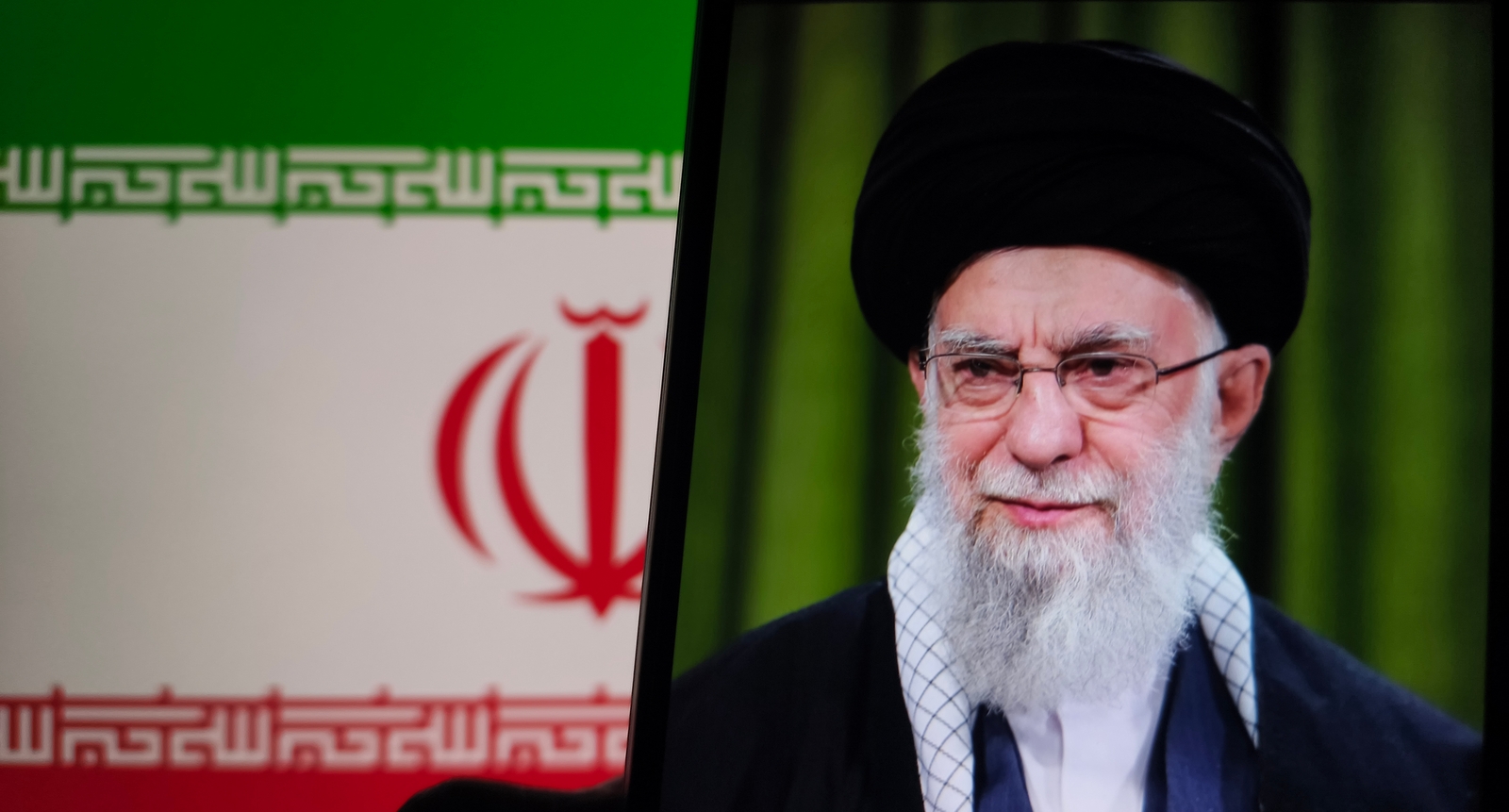
Government concerns about insider trading on prediction markets were renewed over the weekend. A group of possible insiders wagered a seven-figure sum on the prospects of Iranian Supreme Leader Ayatollah Ali Khamenei remaining in power.
The short-term wagers came just before the U.S. and Israel began striking the country on Saturday. Khamenei was killed the same day after airstrikes hit his compound in Tehran. The strikes killed numerous other high-ranking leaders of the regime as well.
Then, The Wall Street Journal reported that they placed wagers on Kalshi and Polymarket. Kalshi CEO Tarek Mansour even promoted the market on his X/Twitter account.
Crypto-analytics firm Bubblemaps outlined “six suspected insiders” who wagered $1.2 million on a U.S. strike by Feb. 28 on Polymarket. One user wagered $26,000 and collected over $200,000, a return of 657%.
Criticism Continues
This type of trading continues to draw scrutiny from federal lawmakers. They questioned whether some on the winning side of these bets had insider information.
“It’s insane this is legal,” Sen. Chris Murphy (D) wrote on wrote on social media. “I’m introducing legislation ASAP to ban this.”
Additionally, he alleged that some of those in the Trump administration could be “profiting off war and death.” However, The White House has denied those claims. But others believe this type of event contract is unethical.
“So this is more or less offering a proxy market on assassination,” former chief of staff at the Securities and Exchange Commission, Amanda Fischer, said on social media in reference to Kalshi promoting the Khamenei market.
Other Insider Trading Allegations
This isn’t the first time prediction markets have faced insider trading allegations. In December, a user won 22 of 23 bets on Polymarket, winning more than $1 million in a single day. The bets all involved Google search markets, sparking insider trading allegations.
The next month, prediction markets had a similar scandal. Several traders wagered on the removal of Venezuelan strongman Nicolás Maduro in the hours before he was captured by U.S forces.
Polymarket’s terms of service do not cover insider trading, according to Yahoo Finance. Prediction market firms have argued that these types of markets help shape opinions. They offer insight on possible outcomes of events in the news.
“The promise of prediction markets is to harness the wisdom of the crowd to create accurate, unbiased forecasts for the most important events to society,” Polymarket said in a note on the platform.
Additionally, Mansour noted that the Khamenei market was more focused on the direction of the country rather than if the leader would be killed. He said the platform doesn’t allow markets “directly tied to death.”
Some senators have asked the Commodity Futures Trading Commission to prohibit trading on markets that are resolved based or connected to someone’s death.
Along with the Google and Maduro contracts, some prediction markets even featured wagering on who would be the next leader of the Catholic Church after the death of Pope Francis. Kalshi and Polymarket fielded trading of more than $40 million on potential candidates.
Cardinal Robert Francis Prevost ultimately was named pope and became the first American leader of the church. Kalshi paid out one bettor $52,641 after he bet $526 on the 1% shot that Prevost would emerge as the successor to Pope Francis.