



Card Player Magazine, available in print and online, covers poker strategy, poker news, online and casino poker, and poker legislation. Sign up today for a digital subscription to access more than 800 magazine issues and get 26 new issues per year!

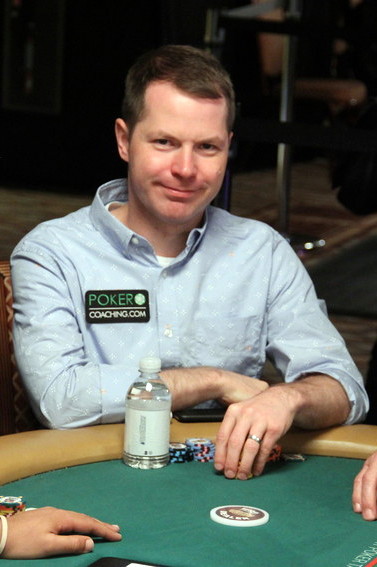 This interesting hand took place in the 2019 $10,000 buy-in World Series of Poker main event in Las Vegas. Around half of the players who started the tournament remained in contention. The blinds were 500-1,000 with a 150 ante. Everyone folded around to me in the hijack seat. I raised with A
 J
J to 2,250 out of my 60,000 stack.
The cutoff, a loose aggressive kid, and the bid blind, a splashy, straight-forward player who seemed to overvalue his marginal made hands, called.
My raise with a strong high card hand is completely standard. I would certainly raise many weaker hands as well. When my opponents called, I assumed I was in good shape heading to the flop because most players would three-bet most better high card hands.
The flop came A 8
8 8. The big blind appeared to be interested, then checked. I checked behind, as did the cutoff.
While I would almost always make a continuation bet of around 35 percent of the size of the pot, or around 3,200, I decided to check because I picked up the read that the big blind liked his hand. I knew him to be the type of player who would check-raise the flop with a wide range of hands he thought to be strong. Since I am in marginal shape against his probable check-raising range of an ace or an eight, and I did not want to risk my entire stack with what would be a marginal bluff catcher if a lot of money goes into the pot, I checked behind to control the size of the pot. In exchange for missing out on winning a large pot when I am against a worse top pair, I make it nearly impossible to lose a huge pot when I am against trips.
The turn was the 2. The big blind bet 6,000 into the 8,600 pot. I called and the cutoff folded.
Since I am in reasonable shape against the big blind’s probable range, which I thought consisted of entirely aces and eights, combined with my excellent pot odds, folding is not a viable option. However, raising for value makes no sense because my opponent will usually only continue against a raise with trips or better, which crushes my top pair.
The river was the 7. The big blind bet 8,300 into the 20,600 pot.
If I knew the big blind would bet the river with this bet size with any ace or better made hand, calling would be viable because I would win about half of the time. If I thought he would only bet with strong top pairs and better made hands, then folding becomes reasonable, given I lose to stronger top pairs and all the trips.
When I do not know my opponent’s strategy, and I am getting excellent pot odds (in this case, I only need to win more than 8,300/(20,600 + 8,300 + 8,300) = 23 percent to break even), I tend to make the call.
I called and lost to 9 8.
Although I lost this hand, it is important to realize that I could have easily lost many more chips if I failed to pick up on the fact that my opponent thought he had a good hand on the flop. If I made a standard continuation bet, I would have likely faced a check-raise that would have put my entire stack at risk by the river. By checking behind, I conserved my stack and remained in contention. ♠
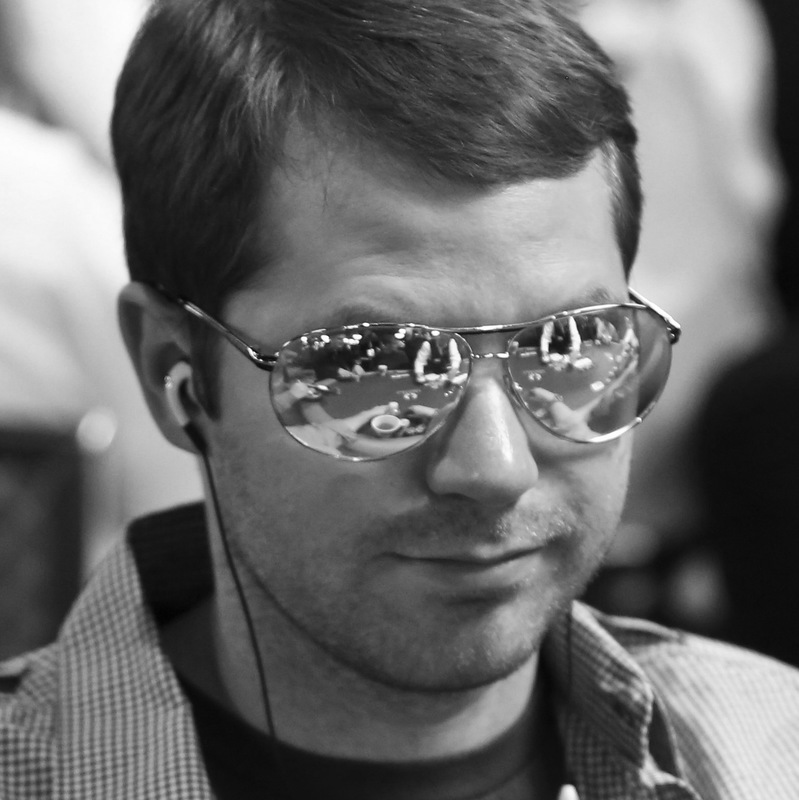 Jonathan Little is a professional poker player and best-selling poker author with over $7,000,000 in live tournament earnings. If you want to learn how to play fundamentally sound poker and increase your win rate, check out PokerCoaching.com. Click here to try PokerCoaching.com for free.