







 It’s one thing to know all the poker plays. It’s quite another thing, and significantly more complex to be able to correctly adapt those plays to the specific situation. The equity of any given play varies greatly depending upon the current situation’s composition. A bluff against a tight nit might have positive EV, but the same play in a similar situation against a calling station might have negative EV. The permutations of poker scenarios are infinite and can get very complex. Being able to accurately read the texture of the situation, knowing how it will play, and how the hands’ nuances will affect the equity of your play-selection choices is paramount to determining your best equity play. And it ain’t easy!
I’d just finished my session, booked a good win and was saying goodnight to a friend playing the adjoining $20-40 limit hold’em game. As I approached, he picked up the K K
K on the button and flashed it to me. The field folded to the player to the right of the cuttoff, a $20-40 regular who fired an opening raise. A highly-aggressive tough young asian pro three-bet him in the cutoff and my friend flat called the three bets with his kings. Both blinds folded, Mr. Regular called and they took the flop three-handed.
The dealer flopped the J J 9. Mr. Regular checked. Mr. Asian-Pro splashed a wager and was insta-raised by my friend, Mr. Regular folded and Mr. Asian-Pro called.
The turn came the 6, and to my total surprise, the action went check-check. The river came the 4 and Mr. Asian-Pro checked, my friend bet and Mr. Asian-Pro folded. I shook my head in disgust. I was amazed at how little equity value my friend collected from such a premium situation. You very rarely get K-K on the button with a raise and a three-bet ahead of you and when you do, you need to make the most of it.
I think my friend made a major error when he chose to flat call preflop with two kings. While I’m known for making deceptive plays, this spot wasn’t the correct situation in which to be deceptive. Deceptive plays have value when being deceptive prevents your opponent(s) from defining your hand and therefore playing correctly against it. There is no point in being deceptive if your opponent can’t read the situation anyway or would play incorrectly even if he knew your holding. That might be due to a lack of your opponent’s hand reading ability or deficiencies of his play knowledge; but it is also becomes the case when your hand range widens and even quality hand readers wouldn’t be able to narrowly define your hand.
In this case my friend is both an aggressive raiser and had the button, facts known by both his opponents. If he four-bet, they would know his hand was a powerful one, but it wouldn’t have to be A-A or K-K; he would four-bet in that situation with many other hands too. By four-betting and making the pot large, my friend would put them in the awkward position of risking folding a winner in a large pot should my friend hold a hand such as AK-AQ-TT. That pressure on his opponents would cause them to make errors based on my friend’s actual holding vs. his known potential range to his opponents, thereby giving my friend greater opportunities to extract equity value from them.
Additionally, the equity loss of not raising is greater when you have more than one opponent. That equity must be made up by the deception in order to make the deceptive play correct. Furthermore, if there is a chance an opponent may fold, putting dead money into the pot, that possibility also needs to be included in the situation’s equity value.
I agree with my friends raise of Mr. Asian-Pro on the flop. It eliminated Mr. Regular from the pot and should he have held an ace or a small wired pair he would have received 12.5-to-1 current on his flop call with good future implied odds. Raising increased Mr. Regular’s pot to price ratio and if he called the raise with either of those hands it would have been a grievous error.
That said, my friends check on the turn was horrendous. Yeah, Mr. Asian-Pro might have a jack and check-raised, but a jack was a small portion of his range and giving a free card in a pot this size can give your opponent a free shot to win the pot, one he might have either not taken or might have paid for. Should Mr. Asian-Pro have possessed A-Q and would have folded to a bet; my friend gave him about a 6 percent chance to win the pot for free. If he had a pocket pair, a free card gave away a 4 percent chance of winning. And charging your customers the maximum, limiting their pot equity and making those extra equity bets is a big part of winning at poker.
My friend has read lots of books, has knowledge of poker concepts, but his inability to quantify the value of those concepts into the current situation caused him to lose much of his hand’s equity value.
Poker can get mighty complicated; its concepts are tough to learn and even tougher to apply correctly. But working on why and when you should make a particular play will grow both your playbook and the accuracy of your play calling, increasing your equity. And growing your equity will grow your bankroll. ♠
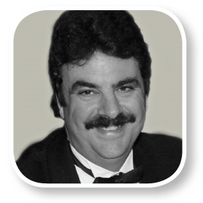
Roy Cooke played poker professionally for 16 years prior to becoming a successful Las Vegas Real Estate Broker/Salesman in 1989. Should you wish to any information about Real Estate matters-including purchase, sale or mortgage his office number is 702-396-6575 or Roy’s e-mail is RealtyAce@aol.com. His website is www.roycooke.com. You can also find him on Facebook.