







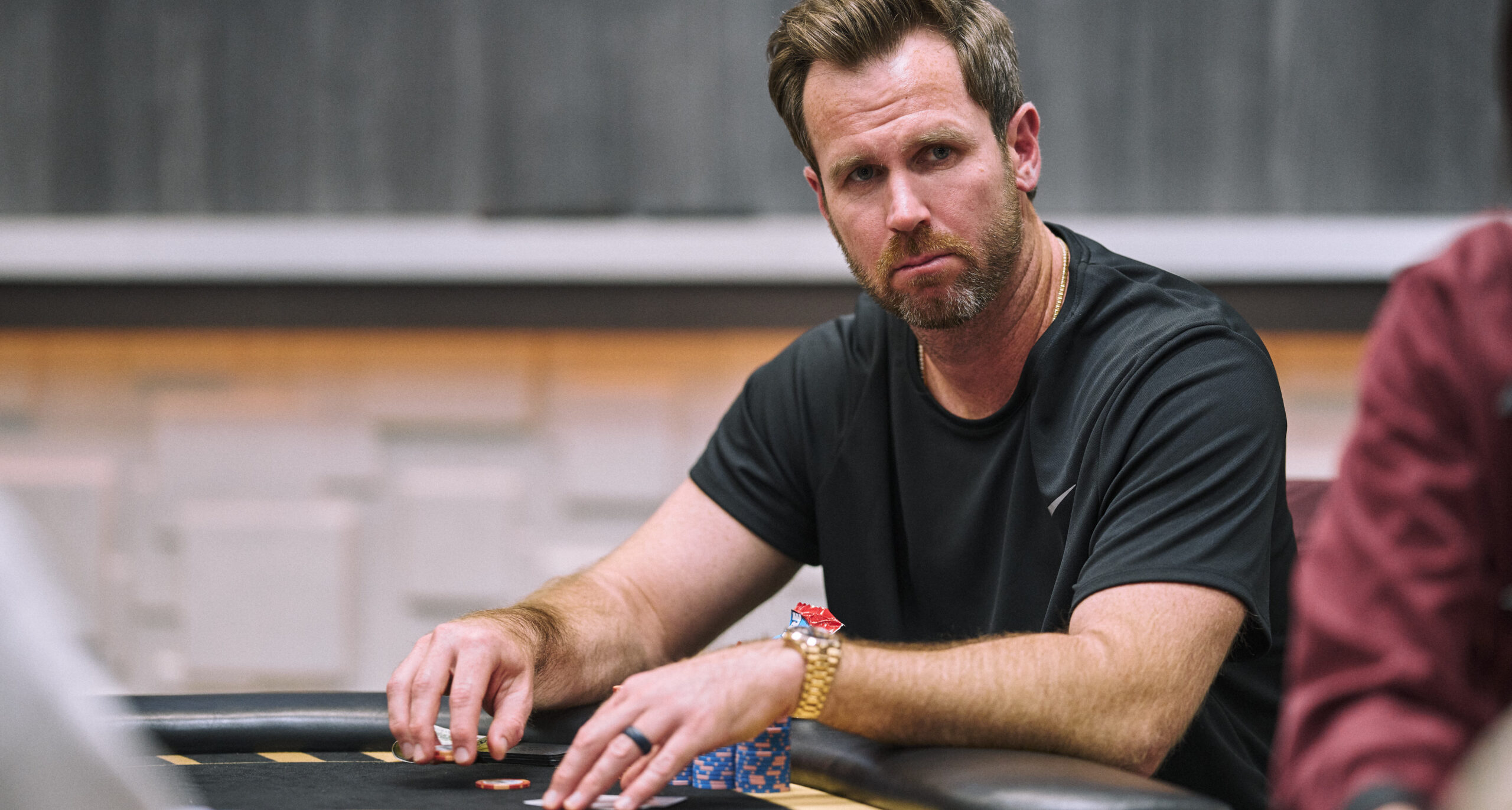
John Racener had an incredible 2024 campaign at the World Series of Poker. The poker pro from Florida cashed 19 times, made five final tables, and earned his second career bracelet. As a result, he finished fourth in the WSOP Player of the Year race.
The 39-year-old loves playing a full schedule in Las Vegas every year, rarely misses a day, and has racked up significant results. Most notably, he finished second in the 2010 main event for a massive $5.5 million payday.
“I usually play whatever event is running every day,” Racener said. “If [I bust] something, I just get in whatever is the next event, since I’m a pretty good all-around player.”
But the summer of 2025 was different. His wife Monique had just given birth to their third child, and Racener didn’t know how long he’d have at the tables. With an infant and two other boys already at home, hitting the daily grind in pursuit of a third bracelet was probably not in the cards. He’d be lucky to get a couple weeks, hardly enough time to shake any rust off his game.
Any doubts Racener had were quickly erased, however, as he immediately found himself in the winner’s circle.
“The very first day I showed up, I entered the $1,500 no-limit hold’em super turbo bounty… and won,” he said. “It was really cool to start the summer off like that, landing in Vegas and within 24 hours winning a bracelet. It made me feel good, and it made my family feel that it was worth going out there.”
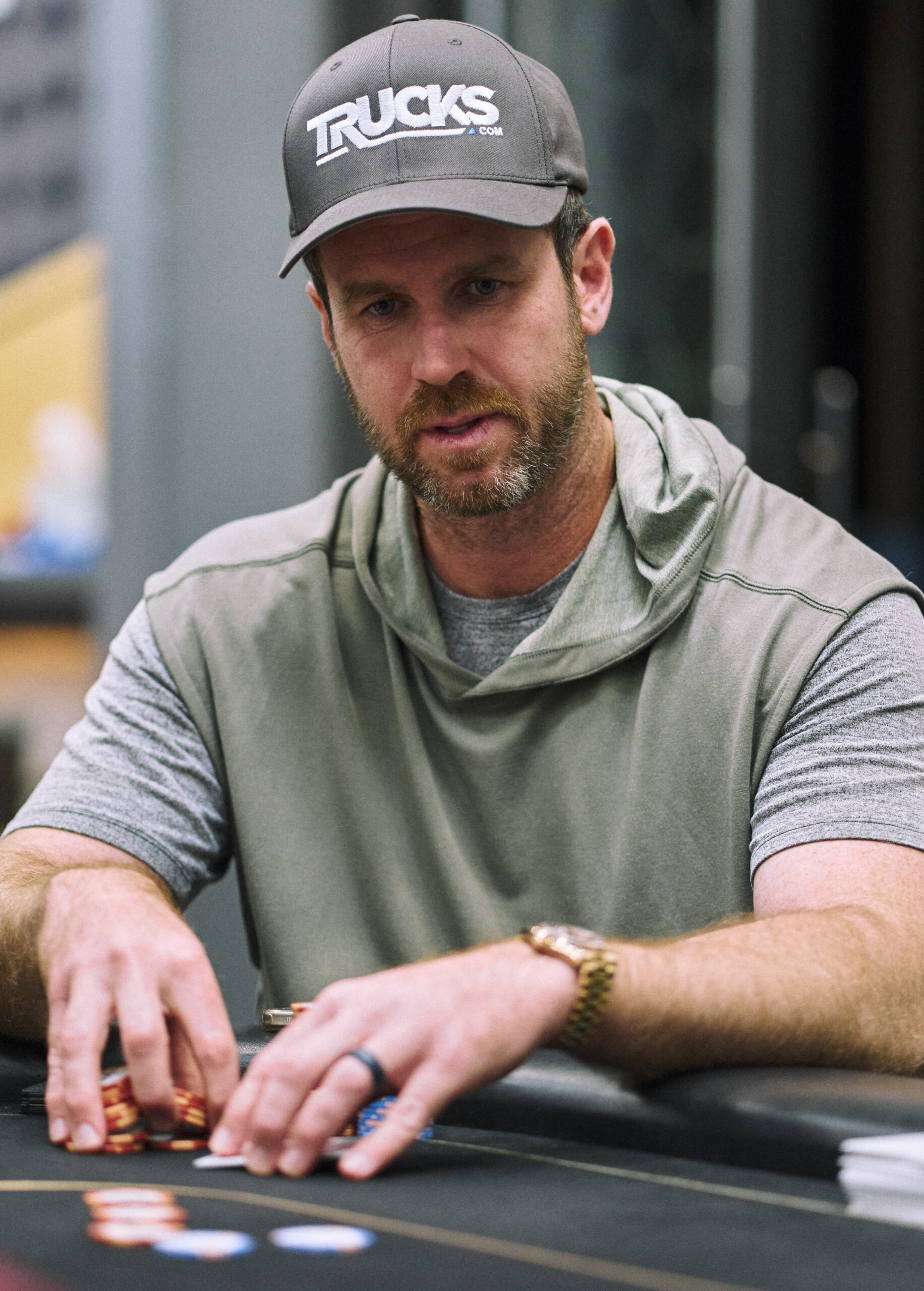 The one-day haul netted Racener a payout of $247,595, and the latest piece of hardware was quite a surprise for his wife.
“I was kind of short stacked with three tables left and she went to bed with the three-hour time zone difference,” Racener recalled. “After I won, I couldn’t wait to call her. It was around 5:30 a.m. back home, and I kept calling and calling. I knew she was about to wake up with the baby and get the kids ready for school, but she didn’t answer for an hour. The kids were all excited. I told them before I left that I had to win a third bracelet for our third boy because my first two bracelets are in each one of their rooms. I had to win a third one for the [nursery.]”
The trifecta trophy adds to quite an impressive poker resumé. Racener could have faded into obscurity after he finished runner-up to Jonathan Duhamel in the 2010 main event, but he has proven to be anything but a one-hit wonder. He has more than $13 million in live tournament winnings dating back to 2006.
“The bracelets are always the most special to me,” he admitted. “The WSOP, I feel that’s where you can make a name for yourself. I feel like the World Series of Poker events are the most prestigious tournaments on the planet.”
Bankroll Building On Mom’s Credit Card
Born in Port Richey, Florida, Racener jumped into poker while playing on his high school baseball team. When practices got rained out, he and his buddies would head to a friend’s house and play poker. Those rainouts proved to be not only lucrative, but also chart the course of where his life was heading.
“I was always the guy winning everyone’s lunch money,” he said. “My one buddy there was like, ‘Hey, do you know you can play online poker?’ I had no idea. He came over the next weekend and set me up at my house. My mom gave me her credit card to deposit $50 on there, and the rest has been history.”
Starting at small stakes and quickly leveling up, it wasn’t long before Racener was earning between $200 and $400 a night. He had surprisingly solid bankroll management for a teenager, cashing out his profit and making regular deposits into his savings account.
After heading off to Florida Southern College, an even bigger score awaited when Racener jumped in the PokerStars $215 Sunday Million, which had a $500,000 guarantee at the time.
“I remember like it was yesterday,” he recalled. “There were 3,300 people and it started at noon. At 6 a.m. the next day, I won it for $130,000. I was 18 or 19 years old and I called my mom and dad and told them. They just couldn’t believe it… literally. My dad said, ‘I’ll believe it when I see the money.’ They just couldn’t believe that I won that much money in one day playing online poker. That was a really nice bankroll jolt and really started everything.”
Racener started mixing in some live tournaments at the local casino and found success in $500 and $1,000 sit-and-go’s. After classes, he’d head right to the cardroom.
Off To The Races
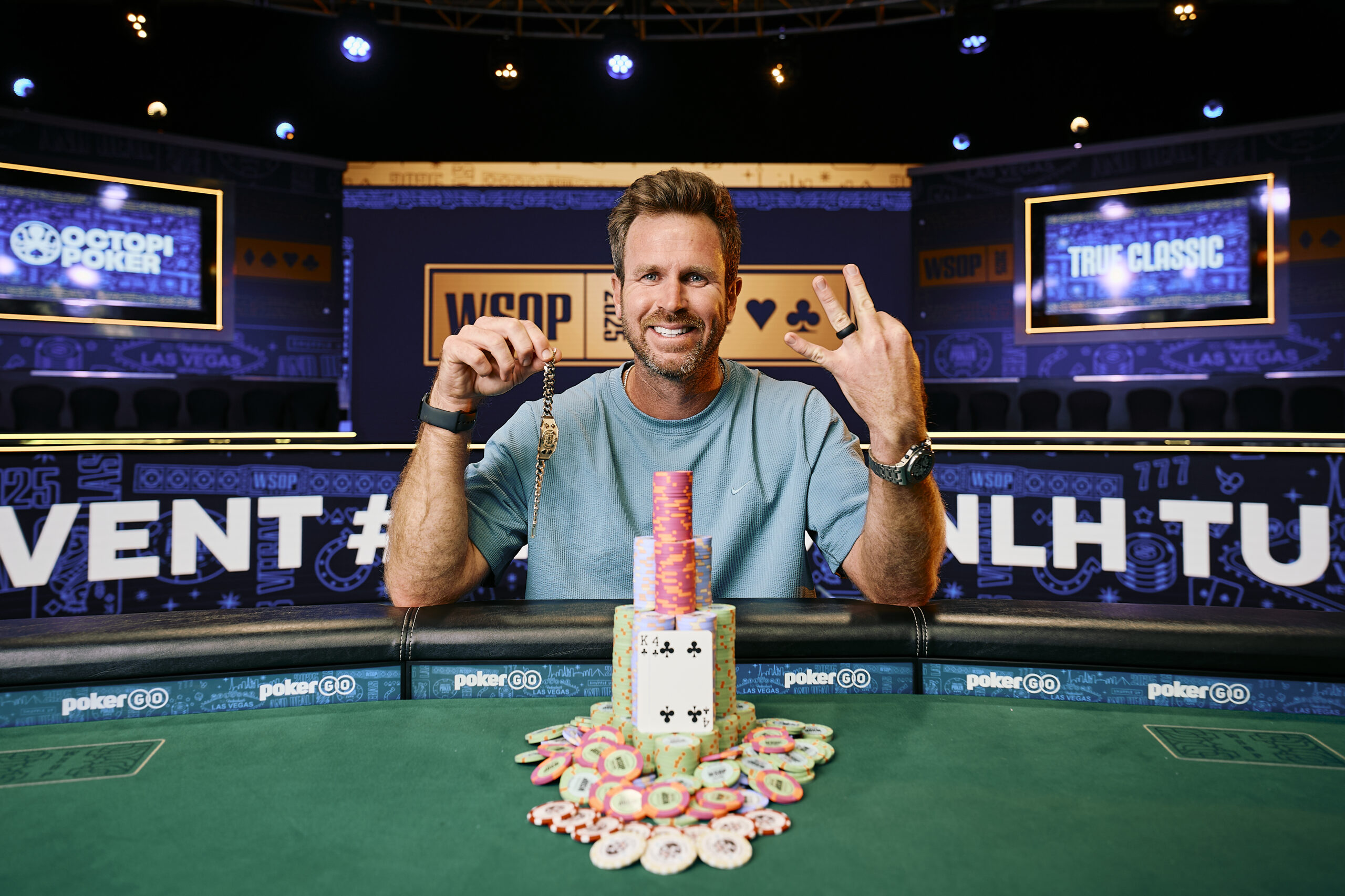
After getting his associate’s degree, Racener launched into a full-time poker career. In December of 2006, he finished third in the WSOP Circuit main event at Harrah’s in Atlantic City for another six-figure score. Two weeks later, he flew to Las Vegas and won one of their weekly $1,000 events.
In January, he made back-to-back deep runs on the World Poker Tour, taking 12th at the World Poker Open in Tunica and eighth in at the Borgata Winter Open in Atlantic City for a combined $200,000. In December of 2007 he scored his first major win, banking $380,000 and a WSOP Circuit ring in the Harrah’s main event. Just like that, Racener was a major force on the circuit.
About a dozen final tables later, Racener found himself on poker’s biggest stage. When he made the main event final table in 2010, play was delayed to build up hype and publicity for the live coverage. It was during the layoff that his mother found out she had liver cancer.
“She didn’t tell me because she didn’t want it to distract me or upset me at all. She wanted me to be focused. She wanted me to do well,” he said. “After I got second, we went out to dinner the next night and she told me everything. I just thought that was so loving and awesome, that she cared so much about me that she didn’t want to break that news to me at such an important time in my life and career. She was the best. She was really cool. We’re missing her a lot.”
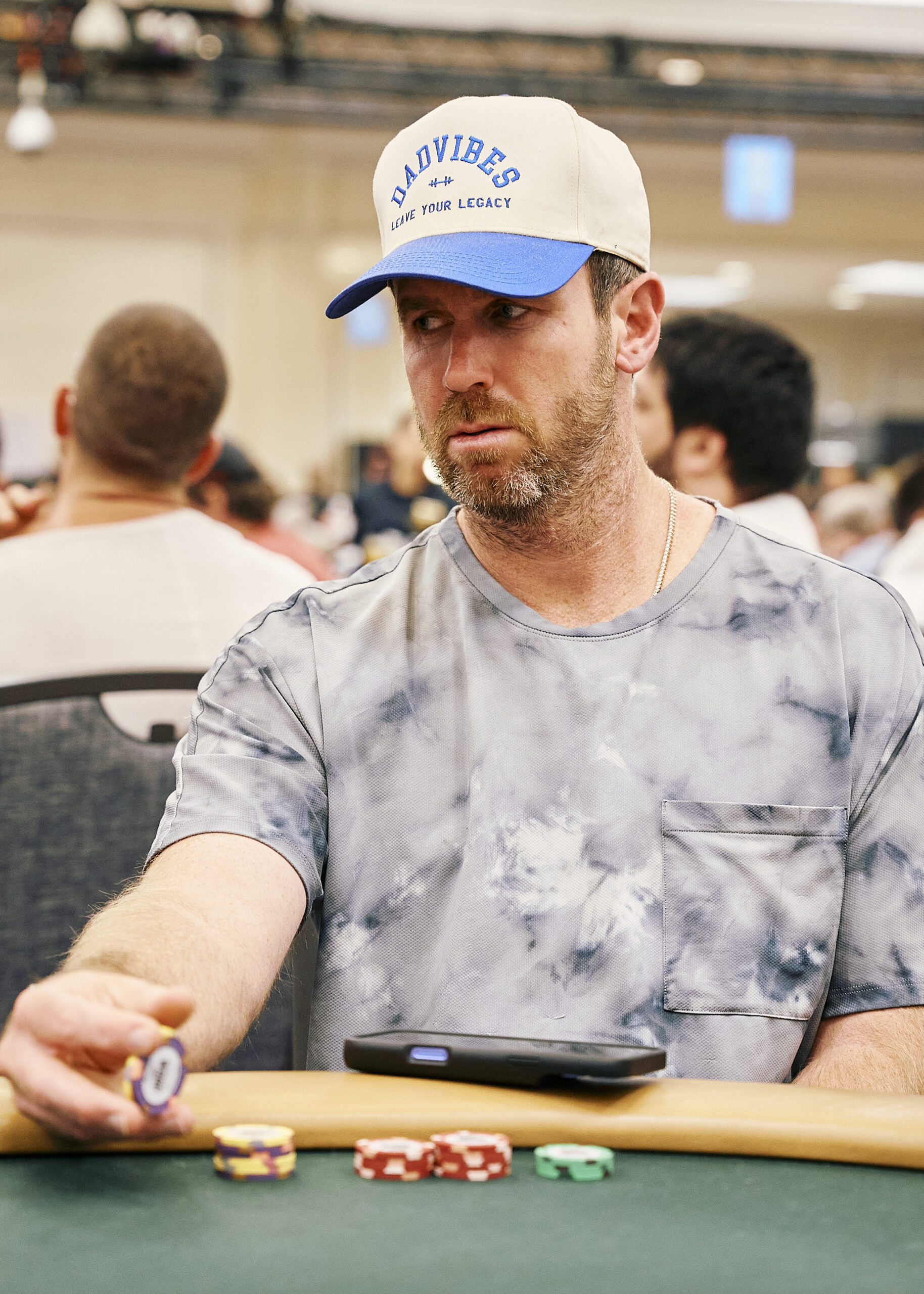 While he fell just short of the big prize, Racener kept knocking on the door with several final tables. His first bracelet finally came in the 2017 $10,000 dealer’s choice championship for $273,962. In 2024, he took down the $10,000 limit hold’em championship for $308,930 and his second piece of gold.
His numbers are even more impressive when you consider his limited schedule. As a busy family man, Racener may not be on the traveling tournament scene like other top-tier players, but he seems to make his sporadic appearances count. That includes a win and a runner-up showing at the PokerGO Tour Mixed Games Festival and another victory in a high roller at the Hard Rock Tampa.
Being Coach John
While many poker players at his level sell their coaching services, Racener instead chooses to coach his sons’ sports teams. Striking that balance between being a poker pro and a family man is critical.
“That’s my main goal in life, to set them up for success,” he said. “I’ve always been good with kids. When I walk through their school, they are yelling out, ‘Hey coach John! Hey, coach John!’ Everyone kind of knows who I am in the school and at the fields. All the parents are always saying how good and patient I am with all the kids, which reflects back to poker, because I’m very patient when I play poker.”
The other parents don’t seem to have any issues with a professional gambler setting the lineups. In fact, Racener says that a lot of them are poker fans themselves.
“Everyone at the school knows [that I play poker.] They’re always asking questions. They’ll say, ‘Send me the link so I can watch online, so I can swipe the updates.’ Everyone’s very supportive and thinks it’s really cool.”
Coaching responsibilities and family activities don’t leave much time for the poker circuit. Still, it’s a role this dad relishes.
“To be honest, and a lot of people are shocked about this, I don’t play much poker when I’m back home,” he admitted. “I’m very busy with my kids. My whole schedule is around them. I get up at 6 a.m. I get them ready for school, then for their after-school activities. We’re training every day after school in some way, shape or form. We have goals set to put them in good positions and be successful.”
“That’s really all I’ve got my mind on when I’m back home. I play a little bit online here and there, late at night when the whole house is turned off. I’m always thinking about it though. I’m always watching videos on Twitter, tournament highlights, or big hands and stuff like that. I’m still talking to my friends about the game.”
Lone Wolf Playing For His Pack
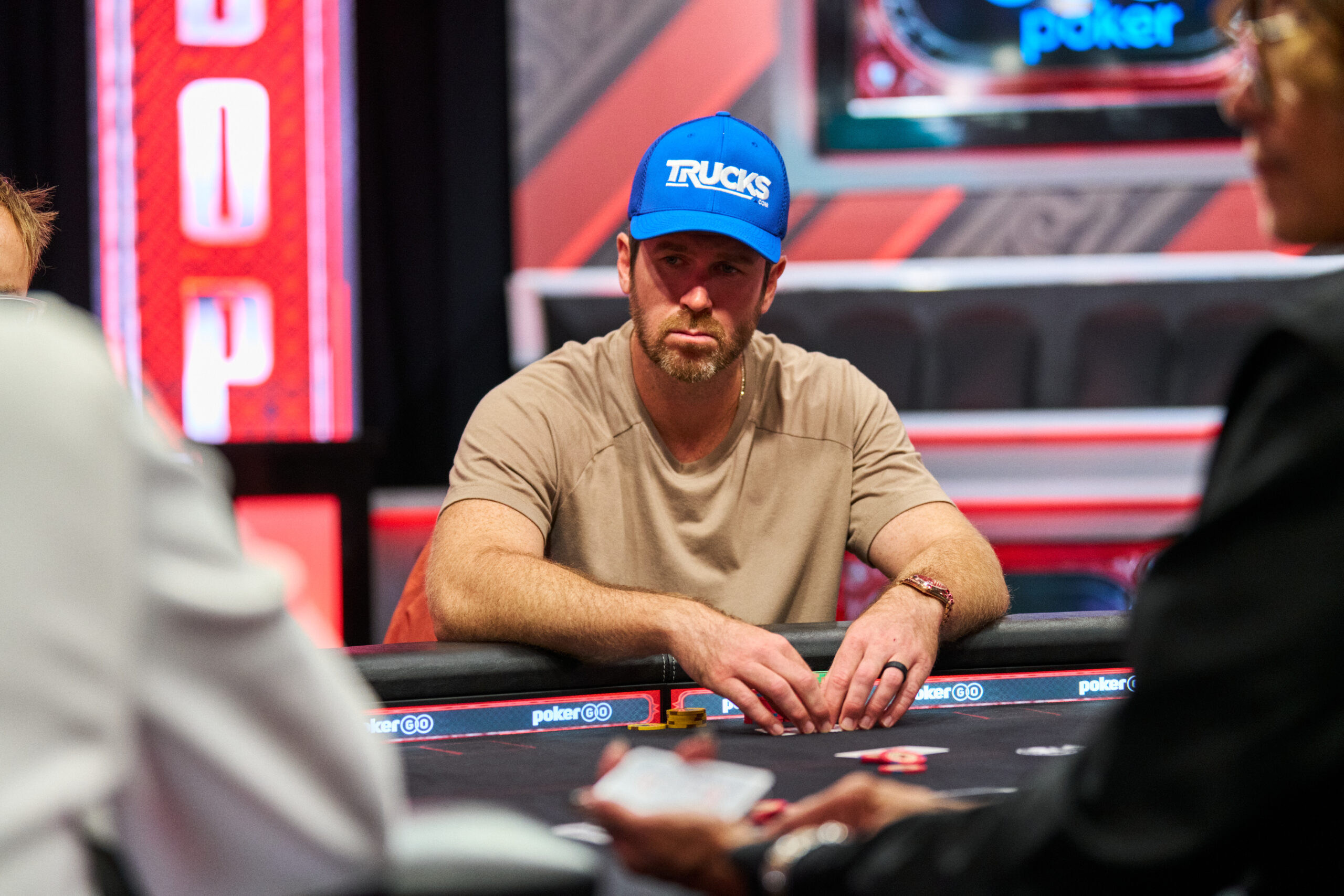
When Racener does play, he makes sure he’s locked in. The days of partying the nights away on the circuit are long gone.
“I’m not doing anything else,” he said. “I’m not going out at night, not even to dinner. I’m not doing anything. I’m there to play. When I’m not playing, I’m getting some rest in my room and getting prepared for the next morning. That is my time where I just love to go all in on the game.”
In an age where players spend hours each day poring over solvers and immersing themselves in strategy, Racener takes a different approach. He doesn’t study on a daily basis. He has friends in the game he will discuss strategy with, including crushers such as Jared Jaffee, Justin Zaki, Chino Rheem, and Michael Mizrachi, but he mostly prefers to take a lone-wolf approach.
“I’ve been self-taught since I was a young kid, and I truly believe that everything that the guys are doing now, I’ve been doing since I was 18 years old,” Racener said. “I feel like everyone’s just now catching up and doing all that type of stuff – pot control, playing position ranges, all these different chart things. I was already applying it to my game at 21. It’s tougher to win these days, but that’s okay because I don’t want anything to come easy. I love to compete.”
As a longtime pro, Racener believes part of what has made him successful is bankroll management. He began parlaying much of his winnings into real estate holdings at a young age. His portfolio now includes nine rental homes that have seen their value increase. He also has investments in cryptocurrency, gold, and more.
Throughout his career, finding a sound financial strategy to retain and grow his winnings has been a major goal. That’s not the case with all players, but Racener is happy to buck the trend. Kicking some bad habits was the first step.
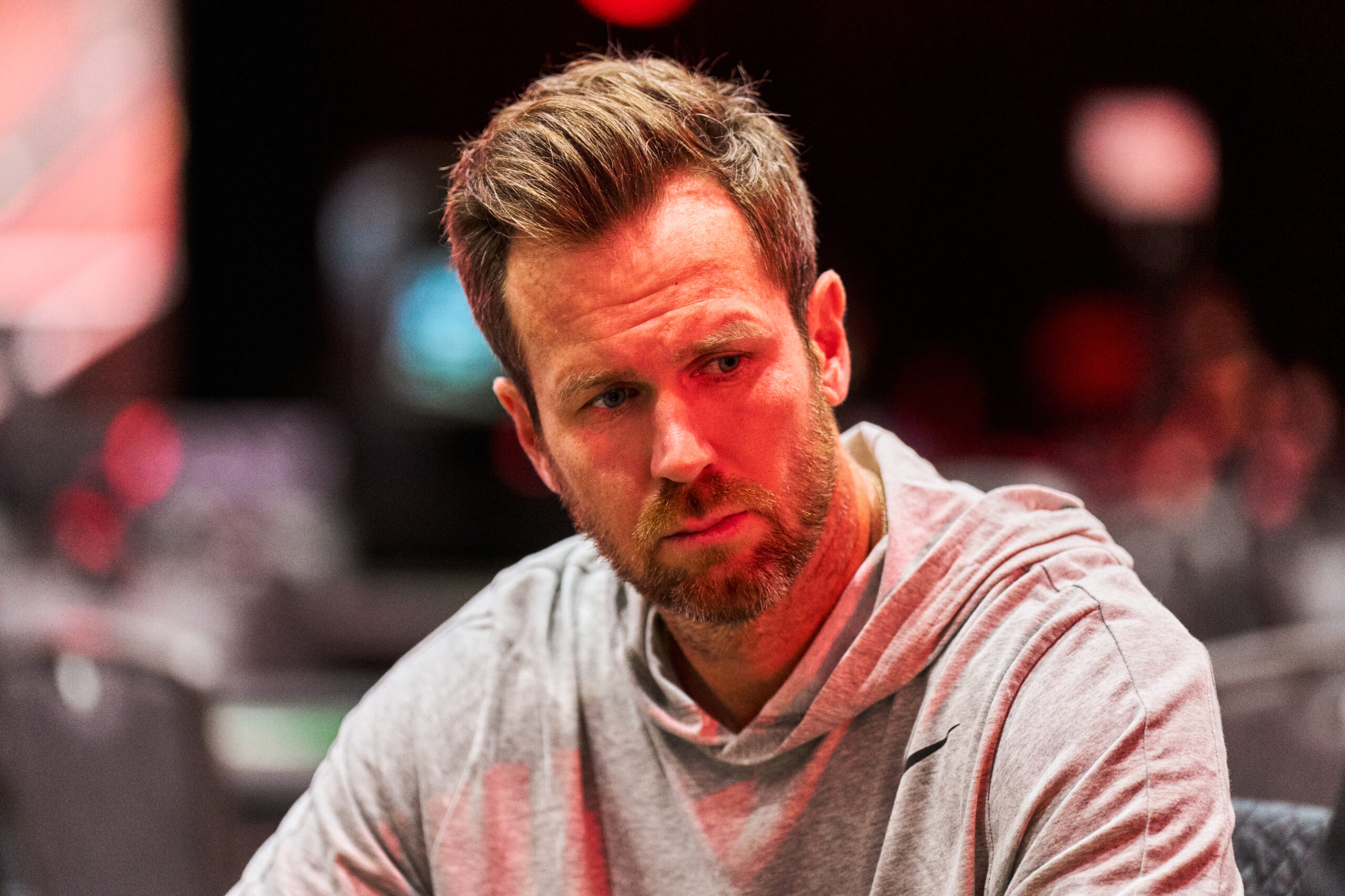 “It’s really sad to see because even some of the guys that I mentioned that I’m good friends with, we know how they went through money. It’s just something that I don’t want to do,” he said. “I’m four years sober (from alcohol) now, but when I was 21 or 22, I had about a million dollars in cash and blew it off. That feeling of not having any money was not fun. It felt like the world had you by the balls. You couldn’t do anything. You couldn’t live how you wanted. It’s depressing when you can’t pay your bills.”
“Once I got a second chance, I surrounded myself with good people, good family and friends. I have a much different outlook on finances and investments now, and it’s helped me a lot. I feel like I’ve matured a ton since the first go-around. That’s my rock… my family. I play to make them happy and provide. So, it’s hard to beat me when that’s what I’m playing for.”
- Photos by PokerGO – Antonio Abrego, Miguel Cortes