Pennsylvania lawmakers are due back in Harrisburg next week, and the clock is ticking for legalizing online casino games this year.
For years the Keystone State has looked like the favorite to be the fourth state in the country with much-needed regulation on the games. Nevada, New Jersey and Delaware have all had the industry for about four years now. More chips of hope were pushed toward Pennsylvania when it became clear that California is nowhere close to passing an online poker bill.
What has helped fuel the momentum for Pennsylvania is an ongoing budget stalemate. The state faces a $2 billion budget shortfall that online gaming could help fix. The governor has eyed as much as $250 million more or less immediately from gambling expansion to fill state coffers.
The budget crisis could be delayed yet another year, which would be bad news for online gaming, but at some point lawmakers have to find a solution that isn’t just reduced spending. According to a Pennlive.com guest editorial, there are rumors that lawmakers could try to balance this year’s budget by raiding other funds.
 The issue of whether or not to expand the availability of gambling machines known as VGTs throughout the state has been holding online gaming back. Lawmakers in the House and Senate are in agreement on approving internet casinos, but disagree with what to do about VGTs. It’s worth noting that there isn’t a consensus on taxes and fees for internet gaming, so that’s been another roadblock, though less of a contentious one.
The Pennsylvania Senate wants a tax rate of 54 percent on online slots, mirroring the tax rate for those in brick-and-mortar casinos. However, that tax rate is opposed by the gaming industry and members of the House. The Senate plan calls for a 16 percent tax on table games and poker.
Online gaming proposals have passed both chambers this year, but there’s still political work to be done on the other ideas to bolster the state’s stagnant $3 billion a year casino industry. Pennsylvania approved casinos about a decade ago, eventually overtaking New Jersey as the country’s second-largest commercial gambling market. It will need to expand its gaming industry in order to remain ahead of the pack in the region.
Estimates peg the Keystone State online gambling market at $300 million. Through July the online casinos in neighboring New Jersey generated $142 million in revenue, up 26.6 percent compared to the same period in 2016. Pennsylvania has about 12.7 million people, and if it combined player pools with New Jersey it could be a turning point for the industry, especially for peer-to-peer poker tournaments and cash games.
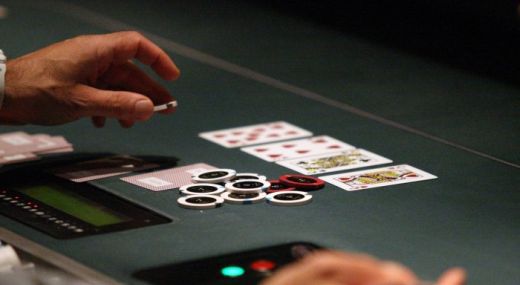 New Jersey online poker revenue through July was $14.5 million, down 7.3 percent year-over-year. So New Jersey could definitely use a partnership. In Pennsylvania, the state’s poker rooms rake about $60 million a year, but revenue isn’t growing. Both Pennsylvania and New Jersey have poker markets worth about $5 million a month.
What’s next for Pennsylvania? There’s at least one hearing planned this month to discuss expanded gambling. Lawmakers will need more meetings to hash out a potential deal.