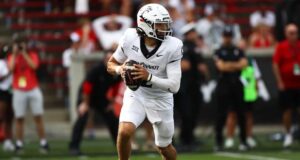
Texas Tech quarterback Brendan Sorsby could become the first active NCAA athlete to be banned from college athletics for gambling. The NCAA punished other athletes for gambling activities, but those repercussions came after they finished playing.
In April, reports surfaced that Sorsby made over 10,000 sports wagers since 2022. Then the NCAA ruled that he was ineligible to compete. Especially since the reports alleged he bet on his own team while he was a member of the Indiana Hoosiers.
According to USA Today, Sorsby requested reinstatement for the upcoming season. But the NCAA denied his request. Sorsby appealed the decision in a Lubbock County courtroom yesterday. The judge will make his decision in the coming days.
Appeals Underway
Prior to moving the case to the traditional legal system, Sorsby hired high-octane attorney Jeffrey Kessler. Kessler filed a lawsuit against the NCAA on May 18 to block the player from being ruled ineligible.
“The NCAA has refused to process his reinstatement request in a timely fashion as required by its own procedures, which typically call for review within 48 hours,” the lawsuit says. “Now, after belatedly agreeing to review his request based on stipulated facts, it has made more demands that are further stalling the process. And it still offers no timeline for a decision – all while the clock ticks toward a June 22, 2026, National Football League Supplemental Draft deadline that will determine whether Mr. Sorsby can play high-level football anywhere this year.”
The university will also be appealing the association’s ruling at the NCAA level. Texas Tech President Lawrence Schovanec backed Sorsby in a letter to alumni and fans.
“We believe that given the facts and the context of Brendan’s case, the NCAA’s ruling should be reversed or modified,” Schovanec said. “As a generation of college athletes face the legalization and rapid proliferation of sports betting in our country, gambling addiction is rising to the point of epidemic among college-aged men in particular.”
Ongoing Treatment Planned
The NCAA stipulates that an athlete wagering on his own team or school, or offers insider information for the purposes of betting, faces “permanent loss of collegiate eligibility in all sports.”
Sorsby desires a compromise. Sorsby’s attorneys asked for a two-year suspension instead rather than a complete ban from competition. Additionally, the Texas native agreed to enter a gambling rehab program.
So far, the NCAA has declined to offer specific details on the case.
“Due to confidentiality rules put in place by NCAA member schools, the NCAA will not comment on current, pending, or potential investigations,” the association said.
“However, the NCAA takes sports betting very seriously and is committed to the protection of student-athlete well-being and the integrity of competition. The association works with integrity monitoring services, state regulators, and other stakeholders to conduct appropriate due diligence whenever reports are received.”
In the letter to Texas Tech alumni and fans, Schovanec outlined a treatment plan for Sorsby. It includes monitoring and support from the athletics department in conjunction with his treatment team.
Some of Sorsby’s ongoing outpatient services include clinical care, group and individual therapy, mentor resources, treatment for anxiety disorder, active monitoring of his technological devices, installation of software to block betting sites from his devices, and more.
“That plan is comprehensive, thoughtful, and built to sustain his long-term recovery at Texas Tech and beyond,” the school president said.
The 22-year-old entered treatment earlier this month for gambling addiction after initial reports surfaced of his betting. He said on Instagram that he had completed a residential treatment program for a diagnosed gambling addiction and anxiety disorder and “has a lot of work ahead of me.”
Other College Betting Scandals
College betting scandals have been plentiful recently. There has been a major uptick after the Supreme Court overturned PASPA, allowing sports betting outside Nevada.
Authorities charged numerous college basketball players in a point-shaving scheme in January. In November, the association also reversed a previous move allowing athletes and coaching staff to wager on professional sports.
In 2023, the University of Alabama fired the school’s head baseball coach Brad Bohannon. The move came after a bettor placed “suspicious” bets on the team at Ohio and Indiana sportsbooks.
According to ESPN, sportsbook surveillance video indicated the person who placed the bets was communicating with Bohannon.