










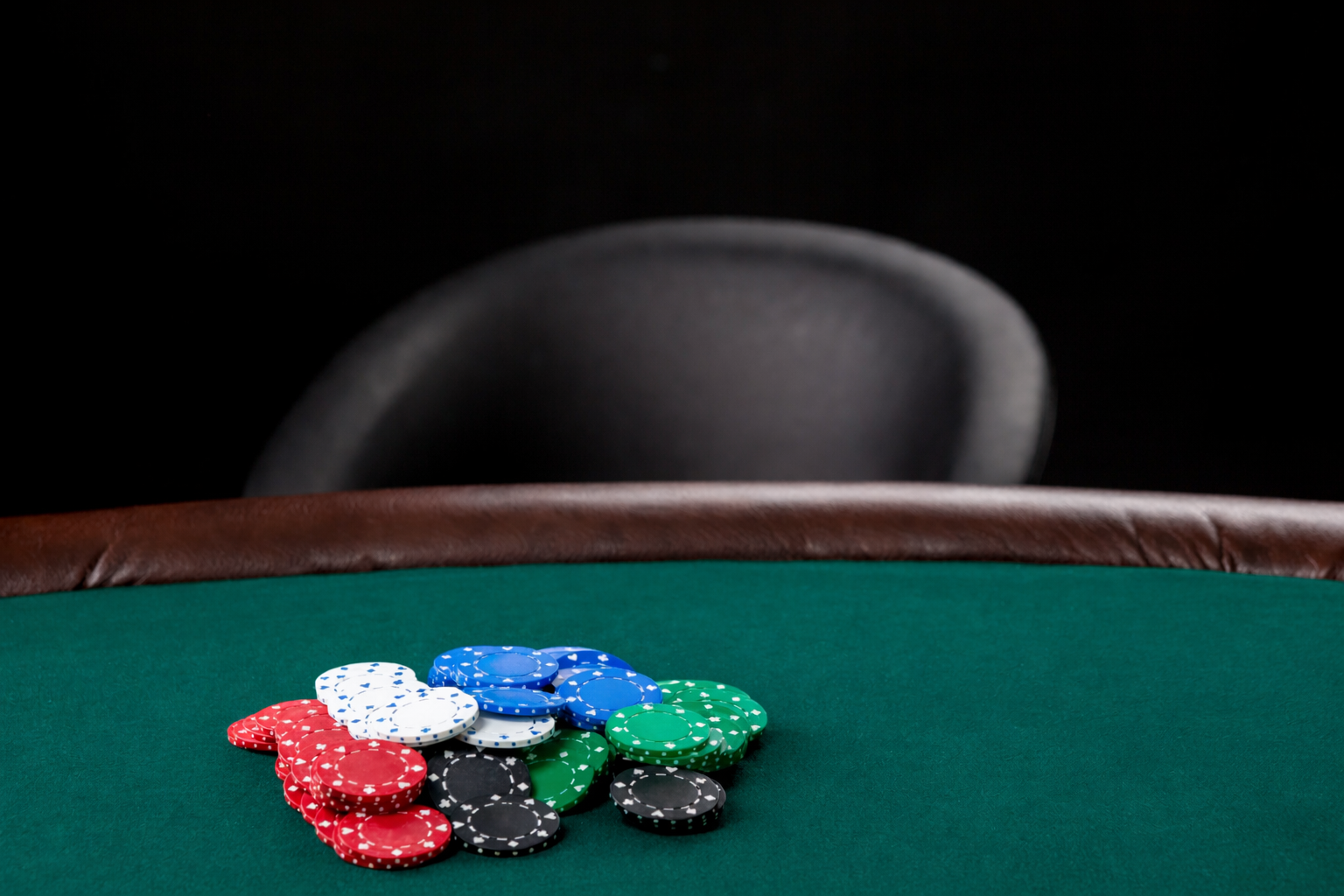
I was in Macau, reporting on the high-stakes poker scene of 2014. Naturally, I ended up at StarWorld, the casino where the Poker King Club was the place to play if you could stomach blinds of 10,000-20,000 HKD — roughly $1,250-$2,500.
Stumbling Across The VIP Seat
After sweating some pots involving Johnny Chan and watching Paul Phua sip tea between hands, I passed a table loaded with bored Westerners. They played for high stakes, but did not seem particularly enthused. In fact, it looked more like they were killing time while waiting for a flight.
I kept walking and ran into a lanky, California-surfer type. He wore knee-length shorts and flip-flops.
I didn’t recognize his face, but I did recognize his demeanor. I asked if he was a poker player. He answered in the affirmative.
Spotting an opportunity for my article, I introduced myself and asked what he was up to.
“Waiting for a seat,” the guy told me.
I gestured toward the lackadaisical game and the open spot at the table.
“I can’t sit there,” he said.
Why not?
“It’s the VIP seat.”
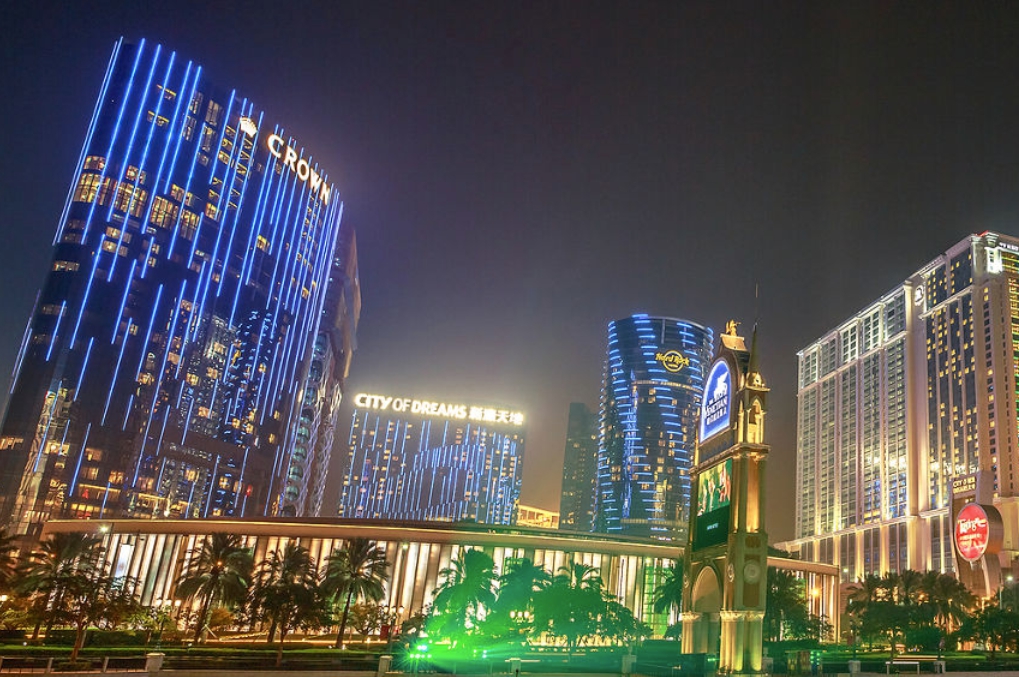
Businessmen Only
The Macau poker scene, back then in full swing, was a place where being called a VIP was not necessarily a compliment.
I learned that the VIP seat was kept open for whales who got sick of losing at baccarat or other games. It was for those who were tired of the pit, looking to try their luck at something new. They usually lost at the poker table too, but often at a slower rate.
The VIP seat was ingenious. It exuded respect for the Asian businessmen accustomed to deference.
I wondered how it started and what the wealthy, whip-smart Chinese gamblers made of it.
The VIP Problem
A few weeks ago, I was interviewing Alec Torelli about the poker coaches who train rich amateurs. I brought up the VIP seat, and it turns out that Torelli was the right man for this conversation.
“I was there, playing in Macau, when the VIP seat was brought to life,” said Torelli, founder of Conscious Poker.
This was in 2012, about a year after Black Friday shut down online poker in America. The best players migrated elsewhere, many to Macau, where action was juicy.
However, as Torelli put it, “There was a problem.”
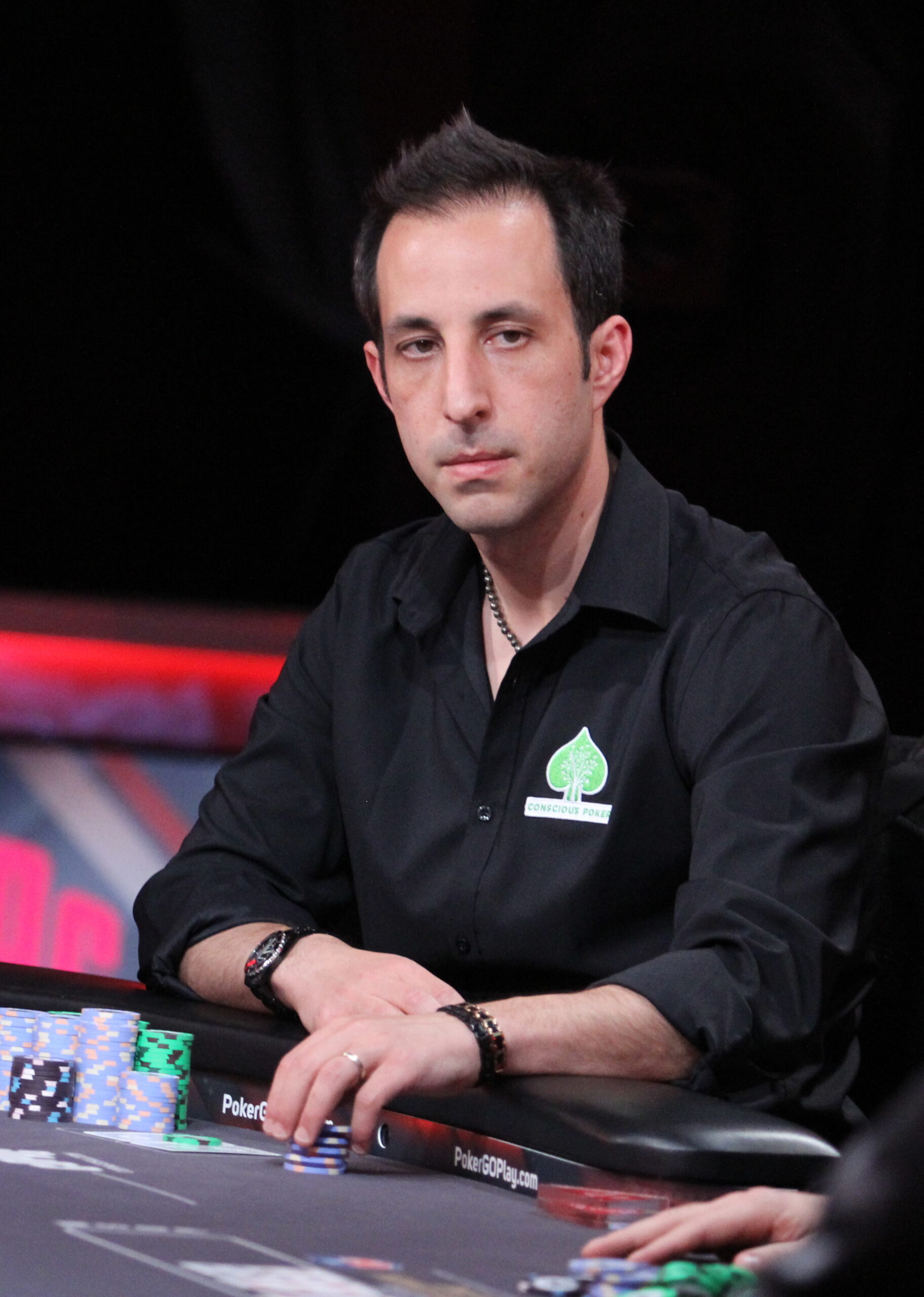
Alec Torelli
“We’d be in the poker room, playing nine-handed, and the VIP would walk in. But the game was full. So, he would go to a new game. Then you had a commotion where everybody was trying to get a seat in that new game. The VIP would be wondering, ‘Why the hell are all these people running to play with me?’”
In the midst of it all, there was also a language barrier.
“The VIP often didn’t speak English,” continued Torelli. “But he could hear everybody screaming. People were yelling at the floor [supervisor for seats]. So, you can imagine the scene as he sat down with $100,000 USD and everyone and their grandma wanted to be in that game.”
This went on for a couple weeks and it was clearly chaotic. Plus, it ran the risk of making the highly desired VIPs uncomfortable.
The VIP Solution
After a bunch of pros on tilt brought this up to casino management, a solution was born: the VIP seat.
“Basically, we would place a small manila envelope on an empty chair at the table,” said Torelli. “The envelope had an X written on it, and that served as a placeholder, locking up the seat for a VIP.”
In that way, the game was never technically full. But as I learned from the guy in sandals, the seat wasn’t just for any player who happened by. It was an elegantly rational solution that benefited everyone.
“We solved this economic problem of rewarding people for playing,” said Torelli. “The game always filled up, on the off-chance of a VIP coming over, and the casino raked money every day.”
Plus, it worked well for the VIPs.
“They would just walk in, and a seat would be available. It was all very natural.”
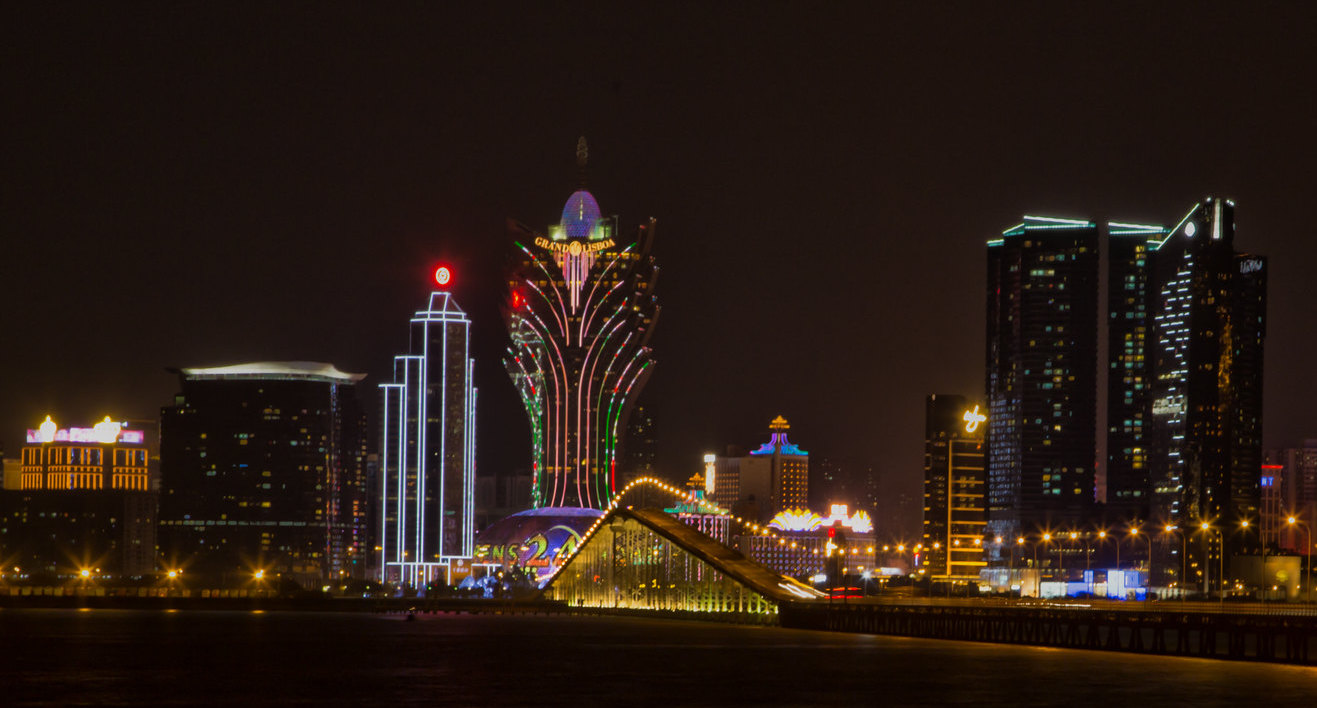
The Rules For Pros In Macau
In some places, the line between pros and amateurs can be narrow. This was not the case in Macau where the best games were de facto private games, composed of VIPs with a smattering of obvious professionals.
You had to be invited to play in those games, which presented lucrative opportunities for pros.
“The VIPs liked the novelty of playing against you,” said Torelli. “But it was also an expensive poker lesson.”
Teaching At The Table
And it was the pros that were expected to teach those lessons.
“A lot of the VIPs were not fluent in English. So, at the end of the hand, they would nod to you,” recalled Torelli. “Then you would turn up your cards to show them your hand. Of course, they would never show their hands to you if you folded.”
Sometimes it went even further.
“Through someone who could translate, they might ask why you did what you did. It might be a spot where the pro would explain, ‘You’d never just call with a strong hand on the turn, so I knew you were bluffing on the river.’ Or, ‘You’d never bet into me with a made hand, so I put you on a missed draw.’”
“Whatever the case, you had to be honest,” Torelli continued. “If you tried to conceal information by giving some dumbass reason for doing what you did, they’d see right through it and would feel insulted. That’s just what you did if you wanted to be invited back – and, trust me, you did want to be invited back.”
Torelli remembers those high-stakes sessions fondly, which began to fade out a few years later. The VIP seat, however, still endures at poker tables in Macau and beyond.
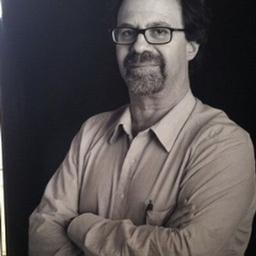 Michael Kaplan is a journalist based in New York City. He is the author of six books including Advantage Players, and has worked for publications that include Wired, GQ and the New York Post. He has written extensively on technology, gambling, and business — with a particular interest in spots where all three intersect. His article on Kelly “Baccarat Machine” Sun and Phil Ivey is currently in development as a feature film.


