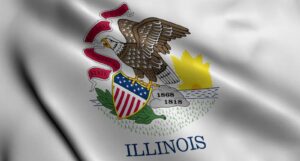




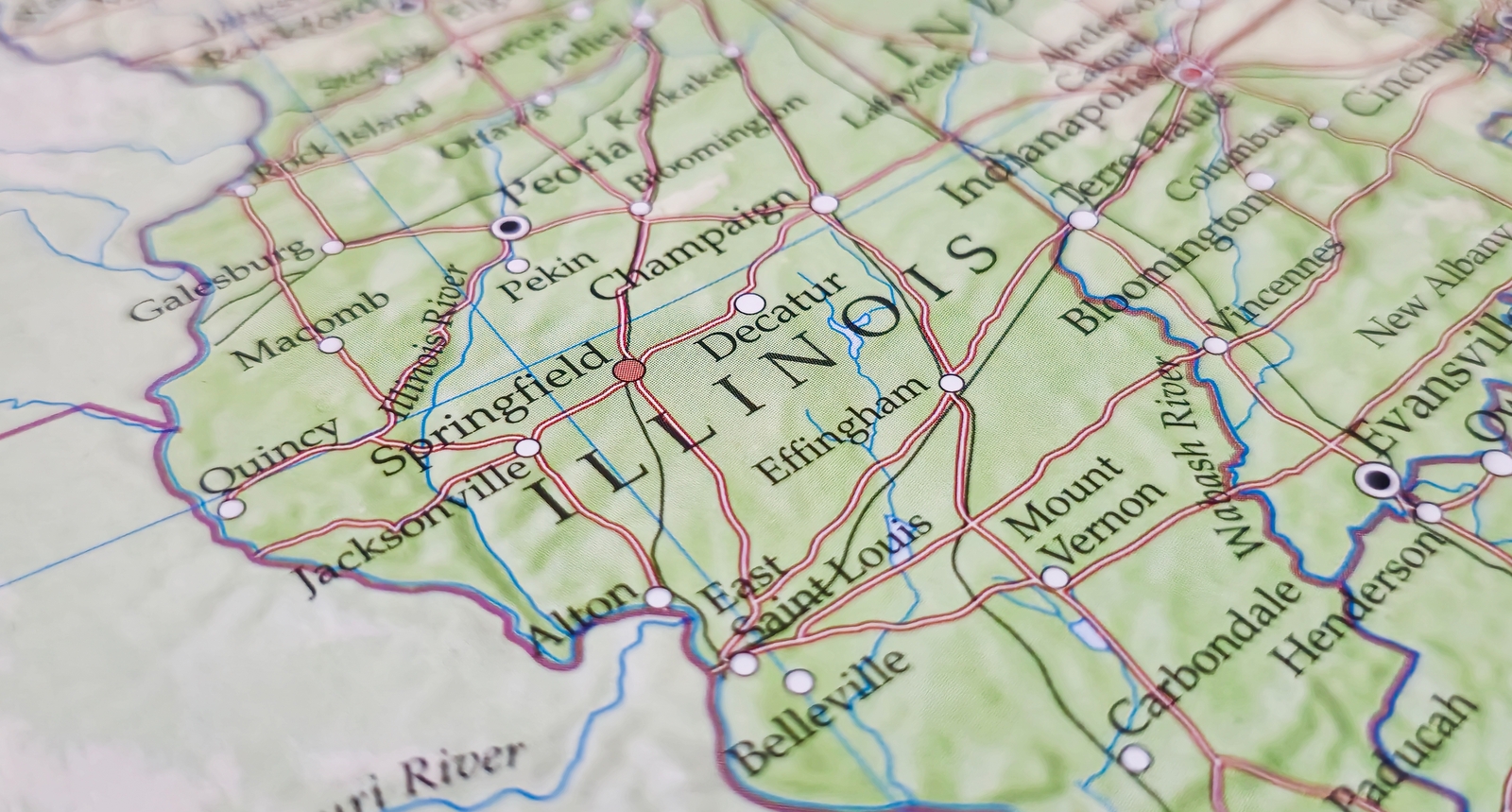
Illinois has become the latest state to crack down on sweepstakes casino operators. The state’s gaming board sent 60 cease-and-desist letters to operators this week.
Companies receiving the letters are some of the most popular platforms in the industry. They included:
- VGW Holding (the company behind Global Poker, Chumba Casino, and Luckyland Slots)
- High 5 Casino
- Fliff
- Pulsz
- Sportzino
- Pulsz
- Stake.us
“Illegal online gambling operations threaten consumer protections, undermine responsible gaming safeguards, and are antithetical to the public’s interest in regulated gaming,” Illinois Gaming Board Administrator Marcus Fruchter said in a news release announcing the actions.
“The IGB will continue to evaluate all available regulatory and law enforcement tools to combat illegal gambling and to protect Illinoisans.”
Unlicensed Gaming
The letter informs recipients that they don’t hold a license for gaming in the state and demands they cease operations in Illinois immediately. State law allows legal gambling only for licensed riverboat and land-based casinos as well as racetracks, sportsbooks, and video gaming venues.
Illinois law prohibits websites that allow gambling beyond licensed sports betting, according to Fruchter. The letter threatens criminal or civil penalties to those that continue offering sweeps gaming to Illinois users.
“The law is clear: Gambling in Illinois must be properly licensed and regulated,” Illinois Attorney General Kwame Raoul said. “Unlicensed gaming operators put Illinois consumers at risk and undermine the integrity of our regulated gaming market. We will continue to work with the Illinois Gaming Board to protect our residents and hold illegal operators accountable.”
Growing Criticism Against Industry
The industry has been facing opposition from state legislators and regulators for more than a year. Maine and Indiana became the latest states to target the industry in December. California also banned the platforms in the same month.
Sweepstakes operators generally feature a dual-currency gaming model. One of those can be used for free play, but those who purchase additional coins receive a second currency that can be used and redeemed for cash and prizes.
Regulators believe the second part violates state gaming laws.
The industry has noted that their offerings are more akin to traditional mobile gaming and that users don’t have to pay anything to play. Operators have also pointed to increased protections enacted in recent years. They favor a regulatory approach.
“Social Plus operators offer real consumer protections that keep minors from playing, that protect consumer data and finances, and that encourage responsible social gameplay,” Social Gaming Leadership Alliance (SGLA) Managing Director Sean Ostrow said this week in testimony before the Maryland General Assembly.
The Maryland Lottery and Gaming Control Agency also moved to rid the state of the platforms in 2025.