

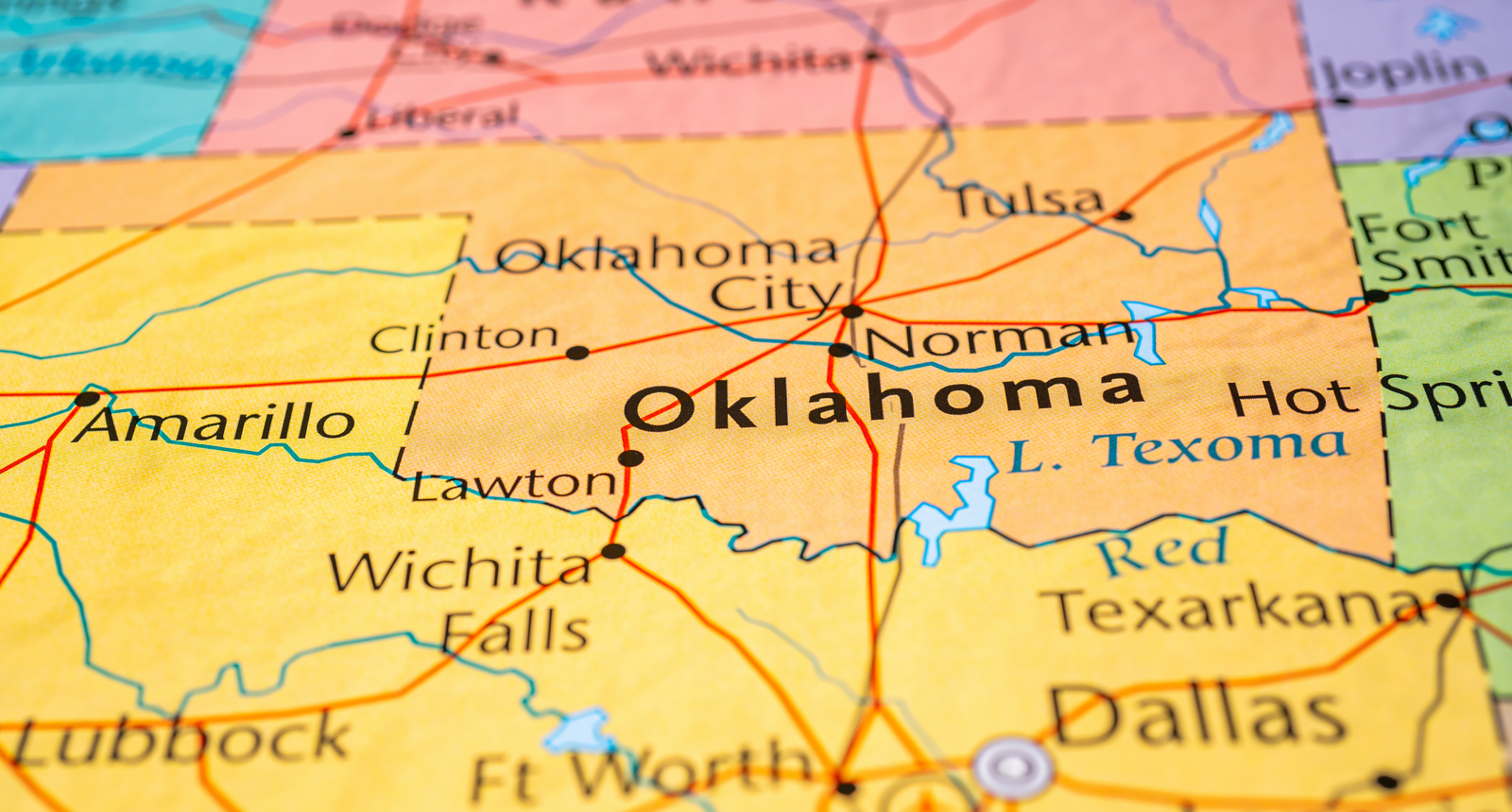
Oklahoma became the latest state to ban sweepstakes casinos after both legislative houses voted to override a veto by Gov. Kevin Stitt (R).
State law requires a two-thirds supermajority in each chamber to override a veto. That was easily achieved, with the Senate voting 34-10 and the House approving the override 68-19.
As a result, SB 1589, which prohibits dual-currency gaming platforms, now goes into effect. Any geolocation provider, gaming supplier, promoter, or media affiliate doing business with sweeps operators also face a felony offense under the law.
Governor Expresses Overreach Concerns
After Stitt vetoed the legislation May 7, he argued the bill was unnecessarily broad and “criminalizes everyday apps people use for fun.” He also opposed language in the bill geared toward companies that may do business with sweeps operators.
“It also unnecessarily creates a new felony and extends criminal liability to businesses and service providers,” he said. “Oklahoma can protect consumers without adopting criminal penalties that reach beyond the problem they are intended to solve.”
Proponents argued the legislation was needed to protect consumers from operators that skirt state gaming laws. Several other states have also banned the platforms in recent months, including Maine’s ban in April. California also enacted a law last year prohibiting the sites.
Online Poker Players Impacted
The action may leave online poker players who use sites like ClubWPT Gold, Global Poker, and Clubs Poker with no options.
Sweepstakes operators claim their platforms are completely free to play and no one is required to purchase anything. The industry has favored regulating and taxing the industry rather than outright bans.
Sweepstakes gaming generally offers players the chance to play with a free virtual currency. Those who purchase additional coins are rewarded with a secondary currency that can be used to redeem cash and prizes.
Oklahoma In other Oklahoma gaming news, efforts in recent years to legalize sports betting have come up short. Stitt continues pushing the issue, but the Senate rejected a bill last month. The proposal was just four votes short of passage.