






Kalshi and other prediction market platforms continue to face significant pushback from state gaming regulators. And, so far, the prediction markets continue to operate across most of the US.
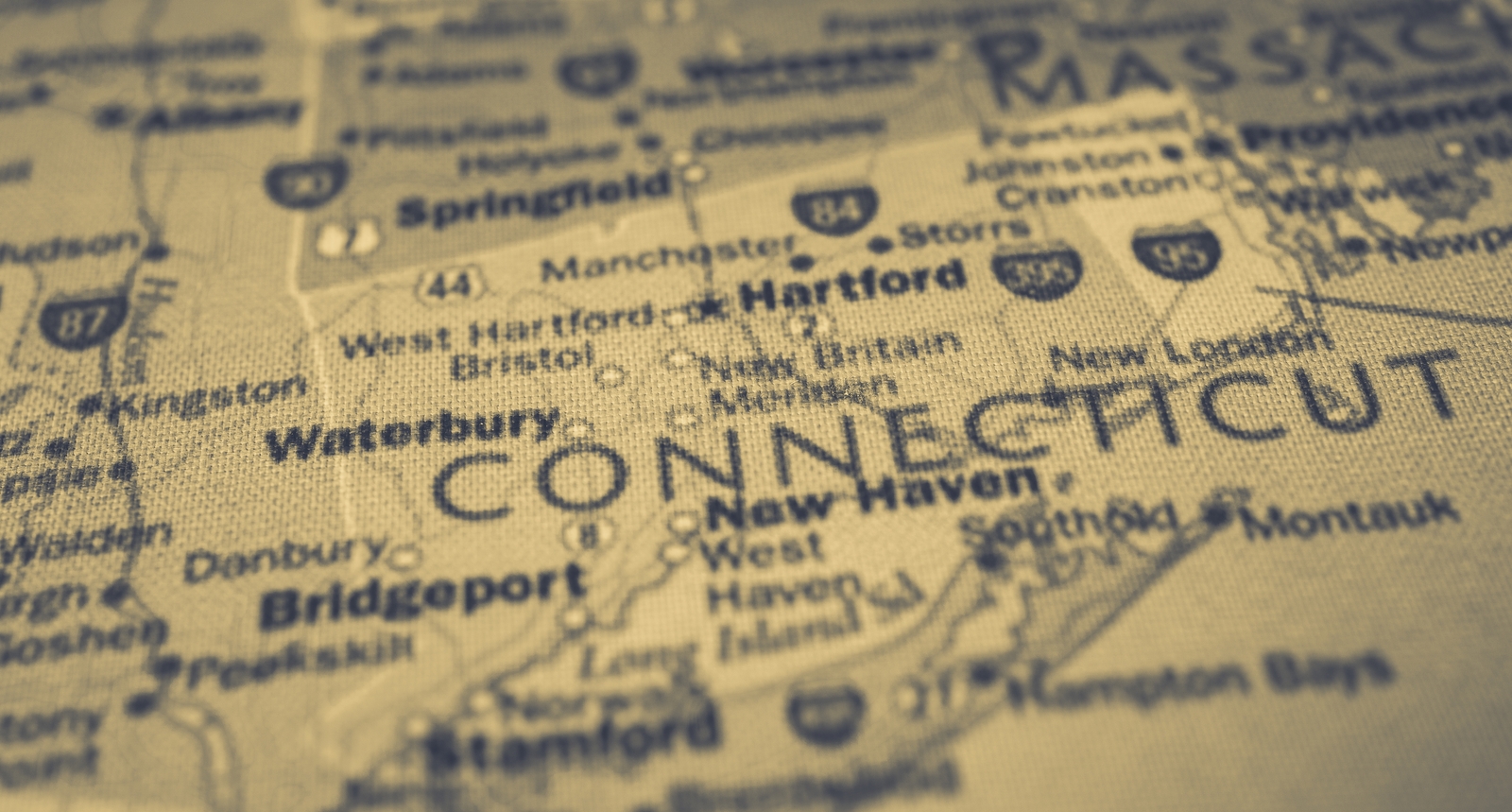
Kalshi won temporary protection in federal court against Connecticut this week. The ruling keeps the state from enforcing a ban on the company’s sports prediction markets. Gaming regulators claim the company, along with Robinhood and Crypto.com, are operating illegally in the state.
“Only licensed entities may offer sports wagering in the state of Connecticut,” Department of Consumer Protection Commissioner Bryan T. Cafferelli said. Kalshi filed a lawsuit soon after.
Judge Vernon Oliver ruled Connecticut must hold off on enforcing cease-and-desist orders against the company as the larger case of determining if Kalshi can legally operate in the state continues. The court ordered Connecticut officials to file an initial response to Kalshi’s complaint by Jan. 9.
Washington Regulators Voice Concerns
In Washington State, officials with the state gambling commission have also ruled that sports prediction markets violate state gaming laws. The commission released a statement on Tuesday outlining its views.
In the statement, the commission didn’t say whether it would penalize the platforms. It did say it would continue to watch how various lawsuits involving prediction market platforms play out.
“While prediction markets are an unauthorized activity in Washington State, we acknowledge that the future of prediction markets, including those for sports, political events, etc., remains a subject of ongoing litigation both federally and in other states,” the statement reads. “We will continue to monitor the ongoing cases as they progress through the court system and will provide updates once the courts provide further guidance.”
The statement adds that sports betting is only legal at tribal casinos in the state. Washington has not legalized online betting.
Courts Will Make Final Determination
Prediction market firms have argued that their offerings are different from traditional sports betting. The companies contend they are regulated by the Commodity Futures Trading Commission and, thus, not subject to state gaming laws.
Regulators in numerous states have disagreed, with some sending cease-and-desist letters to the platforms, mainly to Kalshi. The battle between states and prediction markets began after Kalshi began offering event contracts for March Madness.
Kalshi recently lost lawsuits in Nevada and also in Maryland concerning sports markets. The company has also sued New York and New Jersey gaming regulators.
Pennsylvania Gaming Control Board Executive Director Kevin F. O’Toole submitted a letter to the state’s members of Congress outlining concerns about the company’s sports prediction markets.
Also on the federal level, lawmakers recently circulated a draft letter criticizing the industry and pointing to a lack of consumer protections.