







State gambling regulators continue to ramp up the battle against Kalshi, with a few states jumping on board.
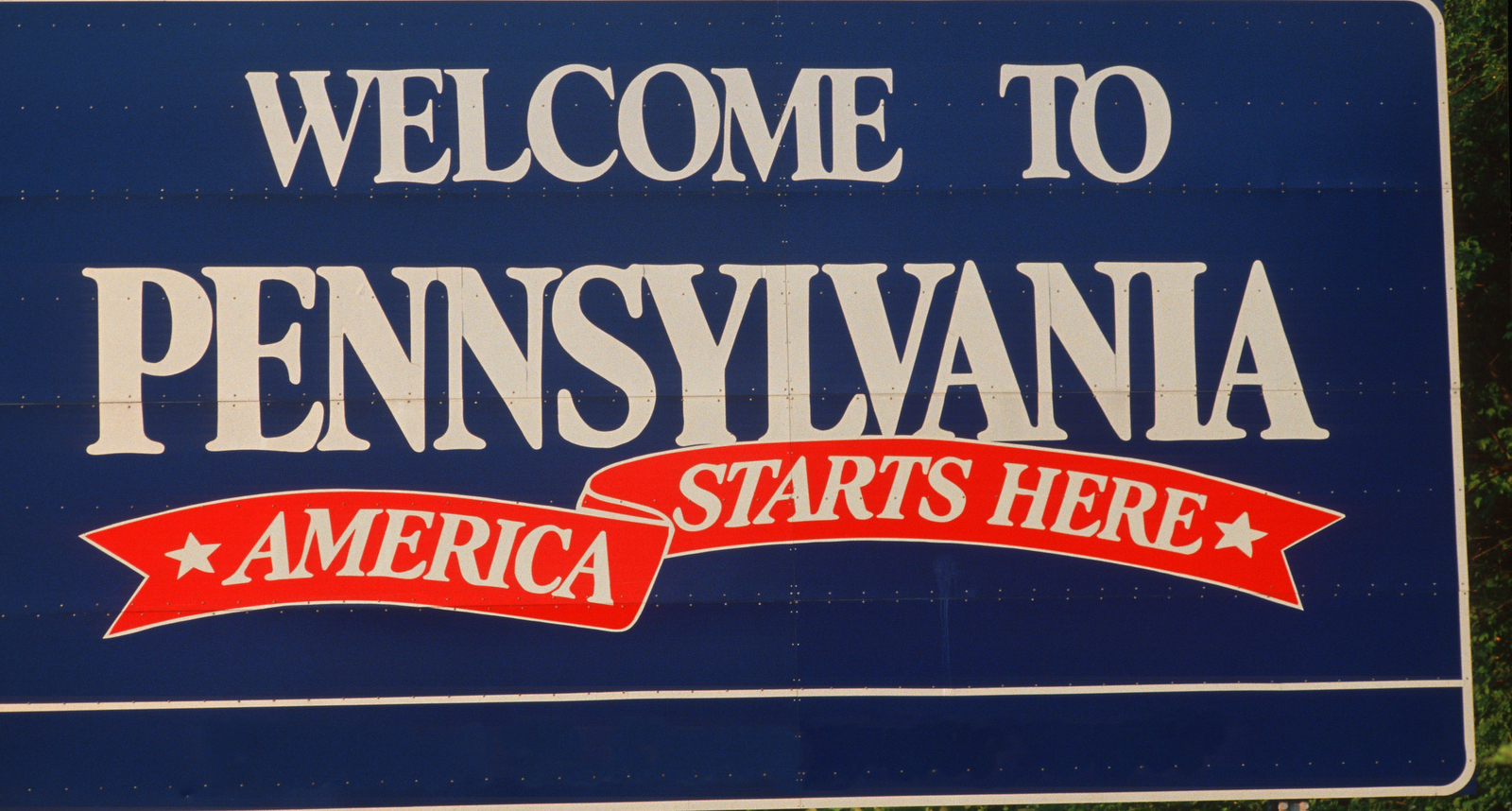
Pennsylvania Gaming Control Board executive director Kevin F. O’Toole submitted a letter to the state’s Congress members outlining concerns about the company’s sports prediction markets.
O’Toole told the Congress members to urge the Commodity Futures Trading Commission to consider the issues caused by Kalshi. Its presence creates a dual-track system of state-regulated legal sports betting and futures trading on sporting events “under the facade of federal regulation.”
“Sports prediction markets operate under the assertion that they are financial derivatives, or swaps, and therefore claim to not be gambling under state law,” O’Toole wrote. “These markets effectively create a backdoor to legalized sports betting, operating parallel to, but outside of, the state-regulated system, and without strict oversight.”
O’Toole Wants Federal Lawmakers To Influence CFTC
Kalshi faced several lawsuits from state regulators after launching sports markets earlier this year. Like O’Toole, a group of federal legislators submitted a letter to the CFTC urging them to take action.
O’Toole said that the growing presence of sports prediction markets is a major threat to Pennsylvania’s gambling industry. He said it undermines the successful regulation that has historically been left to individual states.
Additionally, O’Toole claimed consumer protections found in regulated online sports betting markets aren’t effectively enforced through prediction markets.
“The jurisdictional clash carries a significant risk of resulting in inconsistent and inadequate regulation,” he wrote. “The CFTC’s framework is designed for derivatives markets often involving sophisticated institutional participants. In contrast, state gaming regulators prioritize consumer protection for the public, implementing detailed measures for responsible gaming, age verification, and problem gambling prevention.”
New Lawsuit In South Carolina, Nevada Regulator Weighs In
However, Pennsylvania isn’t the only state piling on. South Carolina filed suit against Kalshi and Robinhood, which is Kalshi’s partner in sports prediction markets.
South Carolina Gambling Recovery LLC sued in federal court to recover gambling losses for users, arguing the platform offers illegal gambling. Kentucky used similar arguments to win a $1.3 billion suit against PokerStars.
Now, Kalshi faces suits from similar groups in Ohio, Kentucky, Georgia, Massachusetts, and Illinois. It’s also in litigation in some form against Nevada, New Jersey, Maryland, and Massachusetts.
Kalshi’s loss against Maryland is their only definitive legal setback thus far.
Nevada Gaming Control Board member George Assad said the tide is turning against prediction markets. The retired judge believes courts are seeing that the companies are skirting state gambling laws.
“These judges are starting to wake up, and they’re starting to see that this word salad they’ve been producing is nothing more than a word salad,” said Assad in a NGCB meeting. “A derivative contract, whatever you want to call it, is nothing more than a sports wager.”
He added that all forms of regulated betting comes in a contract form.
“A sports wager is a sports wager. Every bet made in this town is a contract,” said Assad. “You can call it a derivative contract. You can call it a credit default swap like they did during the housing bubble. Whatever you want to call it, it’s still a sports bet. Therefore, it’s under the jurisdiction of the Nevada Gaming Commission and the Nevada Gaming Control Board.”
The comments came after a federal court denied Crypto.com a preliminary injunction so the company could keep offering sports contracts in Nevada while the case moved forward. The same judge approved a temporary restraining order earlier this year for Kalshi.