 Warren “Oracle of Omaha” Buffett, among the world’s savviest investors, once remarked, “Only when the tide goes out, do you discover who’s been swimming naked.”
His point was that when frothy financial markets plummet, causing iffy positions to crater and margin calls to be made, you find out who’s in a lousy situation.
Swimming Naked
Right now, with allegations about crooked and corrupted athletes rolling in weekly, you can apply the same thinking to sports stars and gambling. From what’s been making headlines lately, it’s alleged that at least a handful of them, figuratively speaking, to use Buffett’s allusion, might be skinny dippers.
Last weekend, I had just finished lunch with a gambling-world friend. We had gone our separate ways, when he texted me the latest and less than greatest: Emmanuel Clase and Luis Ortiz, Major League Baseball stars, had been indicted under allegations that they rigged pitches on behalf of sports bettors.
How much are they said to have been paid to help shady gamblers? According to the New York Times, prosecutors allege that on one occasion Ortiz received $5,000 for throwing a ball on a particular pitch and Clase received $5,000 for making the arrangement.
Clase and Ortiz both pleaded not guilty.
Gambling With More Than Mere Money
If the prosecutors’ allegations turn out to be true – and everyone is innocent until proven guilty – an argument can be made that the baseball players would have been gambling with their longevity in a professional sport.
And if I were a betting man, I’d take the under on things ending positively for people caught up in various cheating allegations that have recently gone public.
What I wouldn’t bet on, if the allegations are true, is why the athletes, past and present, would do this stuff for what seems like chump change.
Why Gamble At All?
As for what drives former professional athletes to get involved in gambling at all, a source who would know offered a theory.
“When they were playing, they had adrenaline rushes all the time. Once retired, what gives them the same rush? It’s not competing at pick-up basketball or tossing around footballs with their neighbors. Gambling is what does it.”
However, being good on the court or the field does not necessarily translate to success at the poker table. In fact, quite the opposite tends to be true.
Speaking in general terms, a successful poker player told me, “Of course everyone wants to play in games with professional athletes. They have no shot.”
Getting In Deep And Making Bad Decisions
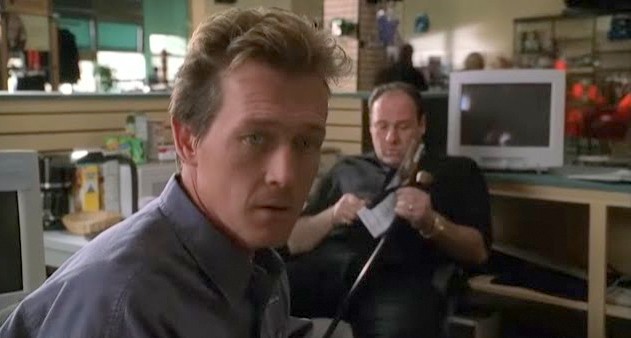
There’s also the reality that people, from all walks of life, get in deep with the gambling world’s nefarious sorts and, to pay off debts, they get pressed to do things they don’t necessarily enjoy. Remember the Sopranos episode when Tony and the guys took over a sucker’s sporting goods store?
Arguably, the make-good move (if you don’t happen to own a sporting goods store) could include playing in a poker game as the draw for players who find it hard to turn down soft opportunities. But, of course, with rigged shufflers and x-ray card tables, the game is anything but soft.
This is not to say that the athletes facing allegations did such things for such reasons or did them at all – they have all pleaded not guilty – but, generally speaking, folks who get into financial binds with the wrong people might make bad choices while under duress.
Mob Rule
Former mobster Michael Franzese understands this. Back in the day, he actually bought a piece of a sports agency for the proximity it would give him to athletes.
“We knew if we could get close to these guys, they are going to end up in trouble,” he told ESPN. “If they gamble, they are going to come to us.”
Stu Ungar liked to say, “Show me a good loser and I’ll just show you a loser.” –
While some of us are not exactly good losers, getting corrupted by the game is no way to gamble. Most of us lose our money, pay the winner, hope to walk away a little wiser and only a bit battered from the experience. But there are others in the world – in all kinds of professions – who go from taking risks at the table to taking risks with their livelihoods and reputations. That can turn what might be a bad beat into a devastating one.
 Michael Kaplan is a journalist based in New York City. He is the author of six books including Advantage Players, and has worked for publications that include Wired, GQ and the New York Post. He has written extensively on technology, gambling, and business — with a particular interest in spots where all three intersect. His article on Kelly “Baccarat Machine” Sun and Phil Ivey is currently in development as a feature film.