Ana Marquez’s path to poker success began far from the felt. A history scholar at American University in Washington, D.C., the Malaga, Spain native discovered the game while pursuing her studies and never looked back.
She has since built a successful career, highlighted by her victory in the 2013 Hollywood Poker Open Championship for $320,189, a third-place finish in the 2019 partypoker MILLIONS main event worth $445,000, and a runner-up showing in a World Series of Poker Europe pot-limit Omaha event that left her one spot shy of a coveted gold bracelet. The 39-year-old now has more than $2.5 million in live tournament earnings.
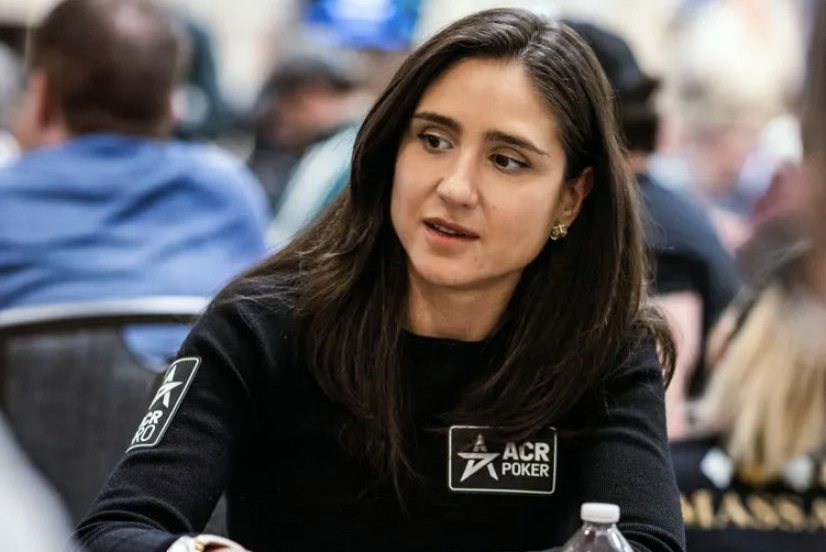
Marquez has also established herself as a top-rated online player and currently represents ACR Poker as a sponsored pro.
Poker In Spain
I know you probably spend most of your poker time in the States these days, but talk to me about the Spanish poker scene. I’ve recently started playing in Spain myself quite a lot, and I find it one of the friendliest, most relaxing places to play.
Ana Marquez: I completely agree. Spain has one of the most welcoming poker communities I’ve experienced. The atmosphere is very social, people genuinely enjoy being there, and it feels less stressful than some other stops on the circuit.
I’ve always enjoyed playing in Spain because there’s a healthy balance between competition and fun (and also because it’s my home country). Players take the game seriously, but they also appreciate the social aspect of poker. The tournament staff and organizers also do a fantastic job, which makes the overall experience really enjoyable. It’s a place I always look forward to coming back to.
How would you compare the American poker scene to the Spanish poker scene?
Ana Marquez: They’re quite different, but both have their own strengths.
The American scene, especially around Las Vegas, feels much bigger and more intense. The fields are larger, the schedules are packed, and there’s always something happening. It’s very much the center of the poker world.
Spain, on the other hand, feels more relaxed and community-oriented. The pace is a little slower, people spend more time enjoying the experience outside the tables, and the atmosphere is incredibly friendly. As a player, it’s nice to have both environments because they each bring something unique.

Poker And Economics
I noticed you came from an economics background, and a lot of very successful poker players have done too. Why do you think economics is a great proving ground for poker players?
Ana Marquez: I think economics teaches you to think in probabilities, incentives, and expected value rather than certainty, and that’s exactly how poker works.
In economics, you’re constantly analyzing decisions under uncertainty, trying to understand why people behave the way they do and what the most rational choice is based on incomplete information. Poker is very similar. You are rarely making decisions with perfect information, so learning to think in terms of long-term expectation instead of short-term results is incredibly valuable.
Can you tell us specifically what your thesis was? I know it was about the poker boom.
Ana Marquez: My thesis focused on the social development of poker during the poker boom, after the World Series of Poker main event and tournament poker was created. I was interested in how public perception of the game changed over time.
Before that period, poker was often associated with old Western movies, smoky back rooms, and gambling stereotypes. During the boom, people increasingly started seeing poker as a competition based on skill, strategy, and decision-making rather than just luck.
I looked at the different factors that contributed to that change, including televised poker, the growth of online poker, and, of course, Chris Moneymaker’s 2003 victory, which completely changed how accessible the game felt to ordinary people.
I know you mentioned Chris Moneymaker was one of the things you wrote about in your thesis. What is it like now working with him at ACR Poker? Did you put him on a pedestal before meeting him?
Ana Marquez: It’s definitely a funny full-circle moment.
When I wrote my thesis, Chris Moneymaker was one of the key figures because his win wasn’t just another tournament victory — it was a milestone that helped transform tournament poker forever. He became an incredible ambassador for the game and inspired so many people to believe they could compete at the highest level.
Now getting to work alongside him at ACR has been really special. He’s exactly the kind of ambassador you’d hope he’d be—approachable, genuine, and passionate about growing poker. It’s been great getting to know him beyond the history books.
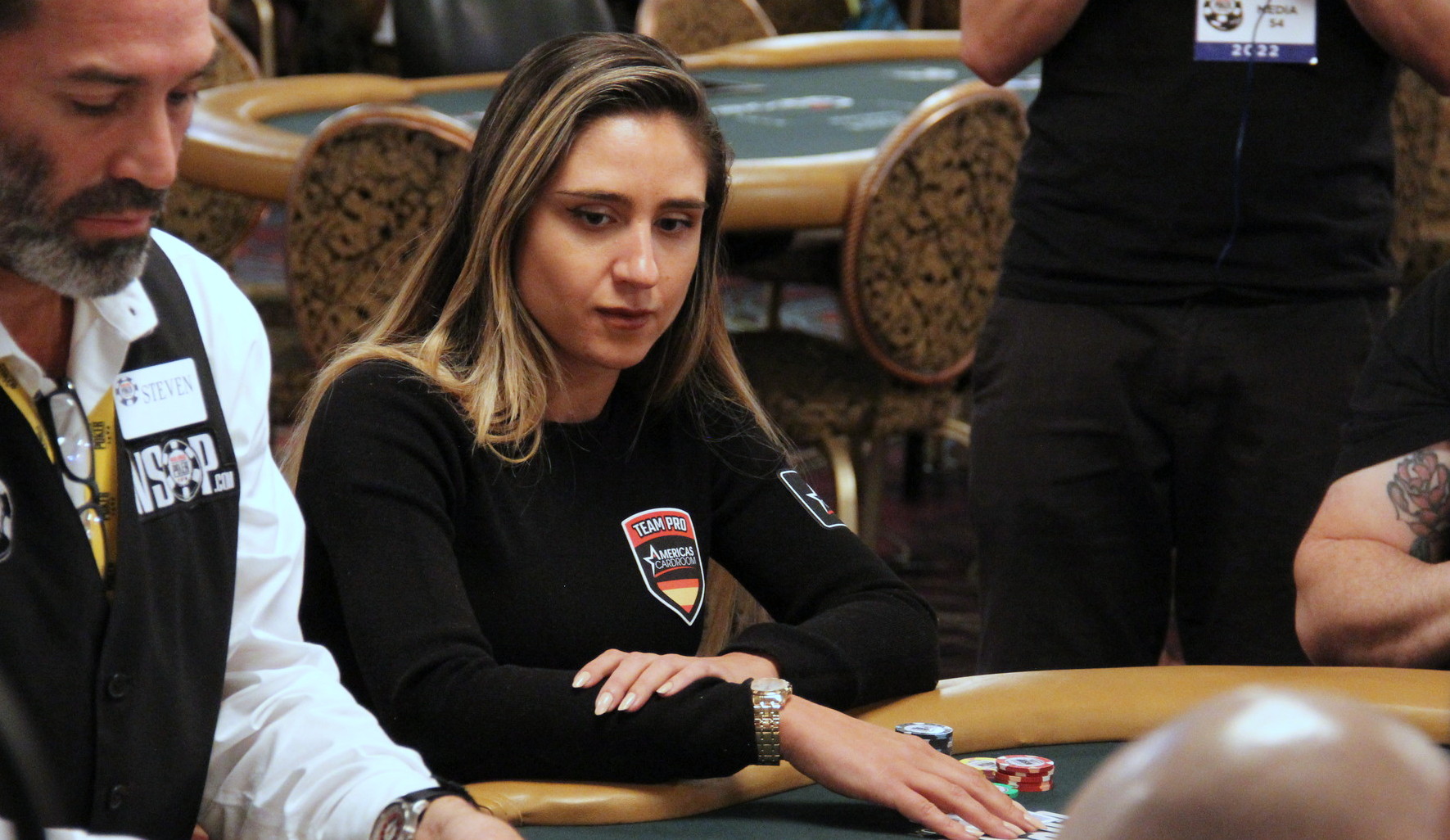
Online Poker Works In Women’s Favor
I view you first and foremost as one of the great online players. I have an image that it’s actually harder for women to be taken seriously as online players than as live players. Do you agree with that, or is it the opposite? Does the anonymity of an online poker player make it easier to be accepted as one of the greats?
Ana Marquez: I actually think the anonymity of online poker can work in your favor.
When people don’t know who’s behind the screen, your results are what speak for you. Nobody knows your gender unless you tell them, so your reputation is built almost entirely on your performance.
Live poker can be a little different because people naturally make assumptions when they see you. Sometimes those assumptions work against you, although they can occasionally work in your favor strategically.
Overall, I think the online environment allows your game to speak for itself, and that’s something I’ve always appreciated.
Your ACR Poker stablemate Chris Moorman was nominated for the Poker Hall of Fame. Who are the first people you would induct into an online poker hall of fame?
Ana Marquez: Chris Moorman would definitely be right at the top of the list. His consistency over such a long period is incredible, and his tournament results speak for themselves.
Fedor Holz also comes to mind because of the impact he had during his peak and the way he approached the game.
Patrick Leonard has had an enormous influence as both a player and someone who’s helped educate and develop other players.
There are so many pioneers who shaped online poker, but those are definitely a few names that immediately come to mind.
Shifting Gears After The WSOP
What does your own personal poker study routine look like these days?
Ana Marquez: It’s definitely evolved over the years.
When I was starting out, I spent a lot more time grinding. My study was based on reading books about poker and watching some videos—anything we had available back then.
Nowadays, my study is much more focused and efficient.
I spend time reviewing important hands, especially spots that I found difficult during tournaments. I also use tools like GTO Wizard to compare my decisions with solver outputs and identify recurring mistakes.
Beyond pure strategy, I also spend a lot of time working on my mental game, physical health, and overall performance. At the highest level, those factors make a huge difference over a long series.
Now that the WSOP is over, what are you looking forward to getting involved with at ACR?
Ana Marquez: The WSOP is always such an intense period that afterwards it’s nice to shift gears a little.
I’m looking forward to creating more content, working more closely with the ACR Poker community, and helping promote everything that’s coming up over the rest of the year.
I’m also excited to have a bit more balance again. I want to get back into my regular study routine, play online, and prepare for the next big live festivals. It’s a good opportunity to reconnect with the community and share more of my own poker journey outside of the WSOP grind.
- Photos by Card Player, WSOP – Tyler Abrams