
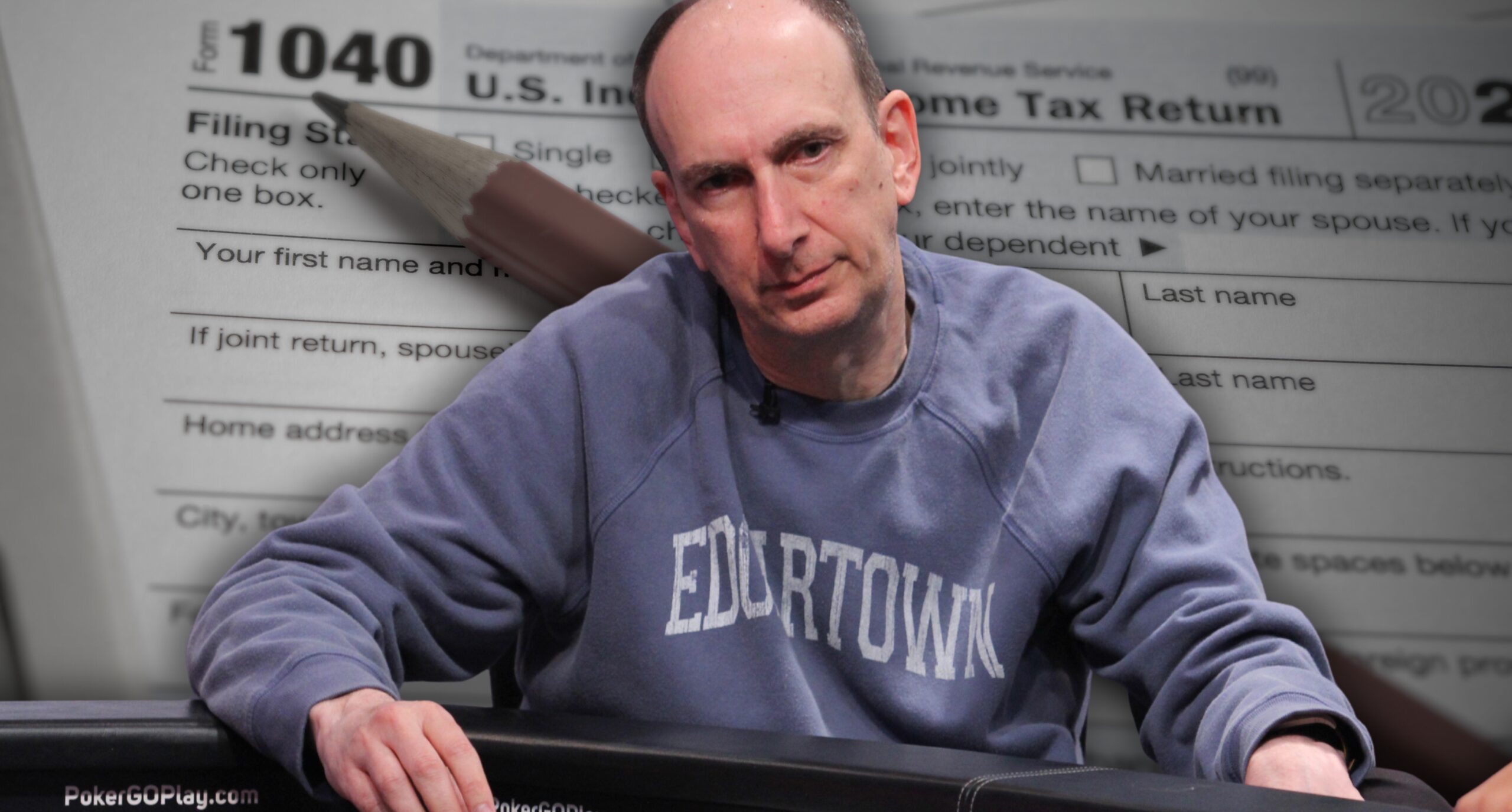
Gambling tax changes in President Donald Trump’s “One Big Beautiful Bill” could functionally end the career of a poker legend.
Poker Hall of Famer, 10-time World Series of Poker bracelet winner, and regular in the high roller scene, Erik Seidel said he’ll drastically change his schedule unless something changes. He tweeted that this bill would put him in “semi-retirement.”
Very concerned about the tax change next year. It’ll put me in semi-retirement. Open to any opportunities, especially if it involves traveling to new spots. DM here or on IG
— Erik Seidel (@Erik_Seidel) December 8, 2025
Trump’s spending bill reduced the tax deduction for gambling losses. Starting on Jan. 1, gamblers can only deduct 90% of the gambling losses. Previously, professional gamblers could deduct 100% of losses.
When the news broke about the change, several poker players sounded the alarm. As a result, poker players could owe taxes on breakeven or losing years.
For example, if a poker player cashes for $100,000 in a tournament and then loses $100,000 in subsequent buy-ins, the player would owe nothing to the federal government. However, if players can only deduct 90% of losses, then the player in question would owe taxes on $10,000 worth of winnings.
Efforts To Change Appear Bleak
In response, several lawmakers filed bills to restore 100% deductions. But with just a few weeks left in the year, the changes likely take effect before any change happens.
Sen. Dina Titus, D-NV, was the first to fight against the changes. She filed the FAIR BET Act in July, which would restore the tax code to 100% deductions on gambling losses.
But Titus couldn’t attach the change to a defense spending bill. Other legislative attempts at change never gained much traction. Rep. Andy Barr, R-KY, filed a similar bill, proving there is bipartisan support to make the change.
Despite the hurdles, Titus continues to push for the House Ways and Means Committee to add her bill to the legislative calendar before the end of the year.
“I was the first in Congress to introduce this fix and haven’t stopped garnering support from members and stakeholders since,” the Nevada congresswoman said on social media last week. “In fact, the FAIR BET Act has up to 21 bipartisan co-sponsors with Rep. Mike Ezell (R) most recently joining! It is now critical for (the GOP) Ways and Means to add this bill to the legislative calendar before the year ends. We must get this fixed.”
The chances of a reversal appear slim, according to Kalshi betting. The odds of a change in 2025 stood at only 5% as of Monday morning. A reversal before April 2026 stood at just 32%, with just half of bettors thinking a change would take place before 2027.
Dunst Tweets Spark Player Reactions
Poker pro and World Poker Tour commentator Tony Dunst offered his support for Titus’s bill. But he doubted the legislation would pass in 2025. Dunst offered some highlights of what he’s heard from other poker players about the issue.
Of course I support congresswoman Titus in her efforts but I don’t think the bill will be amended this year.
I’m just guessing, but I’ve asked many peers about their plans going forward, so here’s how I see it playing out for different types of poker players next year 👇 https://t.co/UULpegxm22
— TonyDunstTV (@tonydunsttv) December 2, 2025
Dunst said the provision in the bill would affect high rollers the most. Players facing large buy-ins may finish with an overall loss for the year but still be forced to pay taxes on some of those losses. This could have a major impact on high roller tournaments in the coming year, he said.
“Edges were already thin in high rollers, and the public nature of these events makes creative accounting difficult,” he said. “It would be easy for a high roller with a small edge to end up accumulating so much in buy-ins that they wind up owing considerable taxes on a break-even-ish year.
“A few high rollers I’ve spoken to said they won’t play much at all in 2026, and American players in high rollers could become scarce.”
High-End Online Poker Play Might Take Serious Hit
U.S. online poker could also be affected, according to Dunst. He said the provision could force high-volume players to offshore, unregulated sites to avoid US tax regulations. Larger buy-in online tournaments could also be greatly affected.
“Some American online grinders I know plan to completely shut down their play on American online sites, myself included,” he noted. “Some will shift their volume to offshore sites and cash out via crypto, some will switch to cash games, some will do other things with their life.
Longtime American grinder Marty Mathis said his volume will drop precipitously.
Main Event only next year.
played 3-10 live events a year last 3 years anyways, but was starting to enjoy Sunday Online grind again post WSOP
Not worth the head ache / accounting moving forward . Withdrew all of my balances , end of an era (19~ years , more than 1/2 my life)
— marty mathis (@martymath) December 2, 2025
“It’s hard to say how impacted US sites will be. I suspect their mid- and low-stakes MTTs (multi-table tournaments) will be fine, but higher buy-ins could dry up and not get enough entrants to even run. That was already a problem on WSOP online before the merger with Michigan, and it doesn’t take the loss of many regs before the minimum amount of players to start events isn’t met.”
Dunst predicted a small drop in field size for mid-stakes live tournaments with buy-ins between $1,000 and $10,000.
However, because of the large number of recreational players who don’t care about taxes, the events should be relatively unchanged.
“And many regs I’ve spoken to plan to carry on as usual and assume that the bill will be amended soon enough, or that the understaffed IRS won’t bother auditing them,” he said. “They’re probably right, but anyone who’s lived through a bad audit knows this is a major gamble.”
Cash game play may see a bump in action, Dunst noted, as some tournament players shift their action. Poker backing may be one of the areas of the industry most affected by the bill.