
The proposed ban on sweepstakes casinos in California has drawn differing views from the state’s tribes. But the tribes against the ban are making their voice heard.
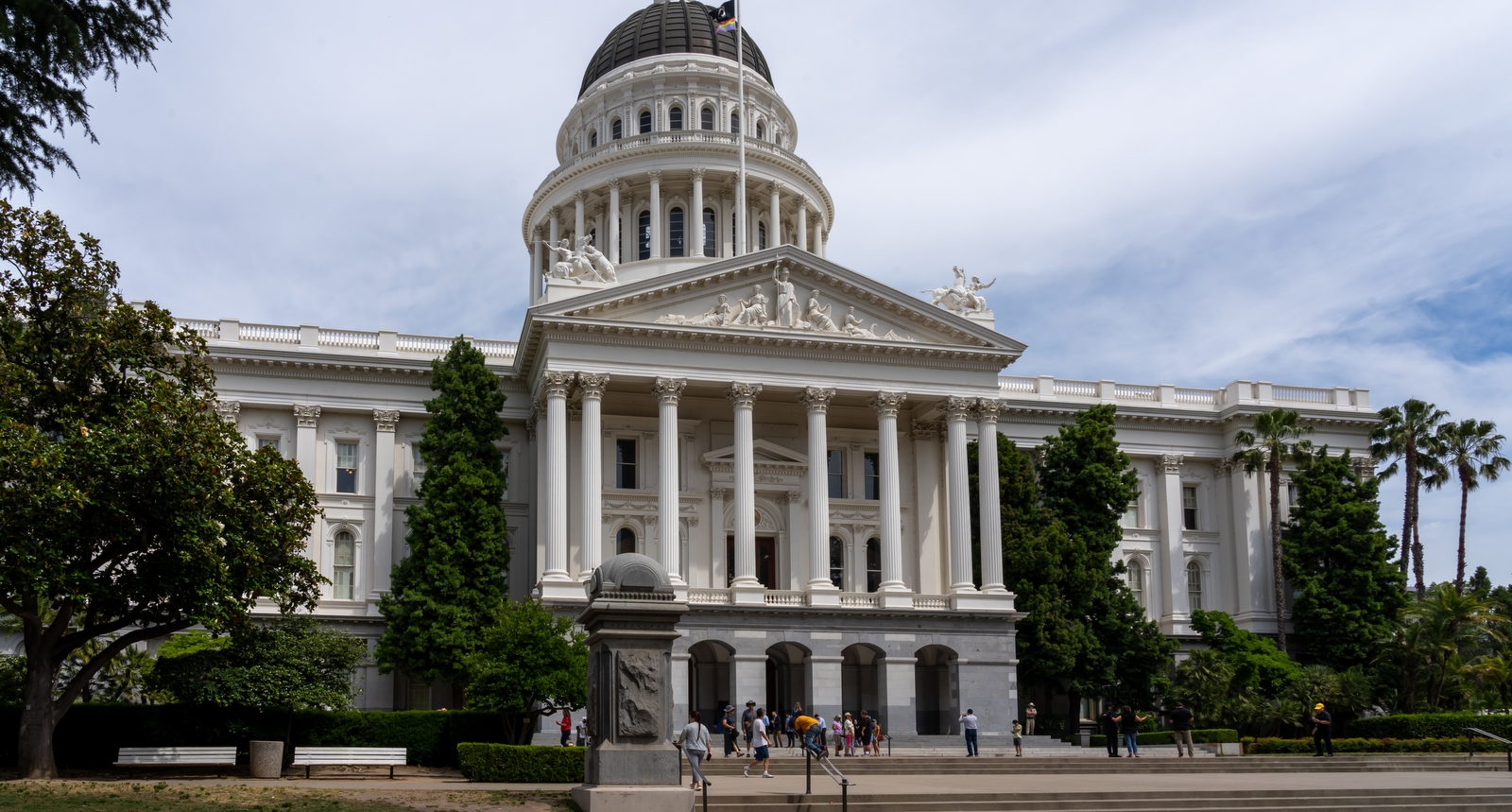
Members of four tribal nations gathered outside the Capitol in Sacramento on Monday to protest AB 831.
If passed, the bill prohibits sweepstakes operators and suppliers from doing business in the Golden State. Additionally, it bans celebrities from endorsing the platforms and ratchets up the punishment for those using the platforms.
The protest included members of the Kletsel Dehe Wintun Nation, the Sherwood Valley Rancheria of Pomo Indians, the Mechoopda Tribe of Chico Rancheria, and Big Lagoon Rancheria. Opponents of the bill see the sweeps operators as a potential source of funding for nongaming tribes.
For example, the Kletsel Dehe Wintun Nation (KEDA) recently partnered with VGW Holdings, the ownership group of Global Poker and other sweepstakes casino platforms.
“For communities long overlooked and geographically isolated, digital commerce is not a luxury – it is a lifeline,” said Eric Wright, KED tribal administrator and CEO of Kletsel Economic Development Authority. “AB 831 would sever that lifeline. Tribal members gather at the state capitol today to ask lawmakers to stand for tribal equity, sovereignty, and economic justice by voting no on AB 831.”
Tribes Argue Bill Limits Economic Opportunities
The tribes opposed to the legislation spelled out their list of grievances against the bill. They argue it limits economic opportunities available to less wealthy tribes by banning online and social games using sweepstakes promotions.
According to the tribes, this could eliminate $1 billion of existing economic activity generated by the industry and close off a potential new revenue source via regulation and taxation.
The bill would “eliminate digital commerce opportunities for economically disadvantaged tribes to partner with social gaming operators that could provide essential supplemental revenue streams to fund essential services such as healthcare, education, housing, food security, and social programs,” the groups said in a
Furthermore, tribes argue the bill violates tribal sovereignty. Extending the state’s criminal jusstic jurisdiction into tribal land violates federal law and is an encroachment on tribal sovereignty.
“We were proud to join with the other tribes at the Capitol in Sacramento to tell lawmakers that eliminating legitimate, regulated digital enterprise will only deepen the disparities our people face, erode our tribal self-sufficiency, and contradict California’s stated commitment to equity and inclusion for all tribal nations,” Sherwood Valley Rancheria Secretary Buffey Bourassa said.
In addition to nongaming tribes, the ACLU also came out against the legislation. The group argued too many state residents might run afoul of the law because of the broad language used in the bill.
Proponents claim that sweeps operators skirt gaming law and divert gambling dollars from legal, regulated gaming operations.