





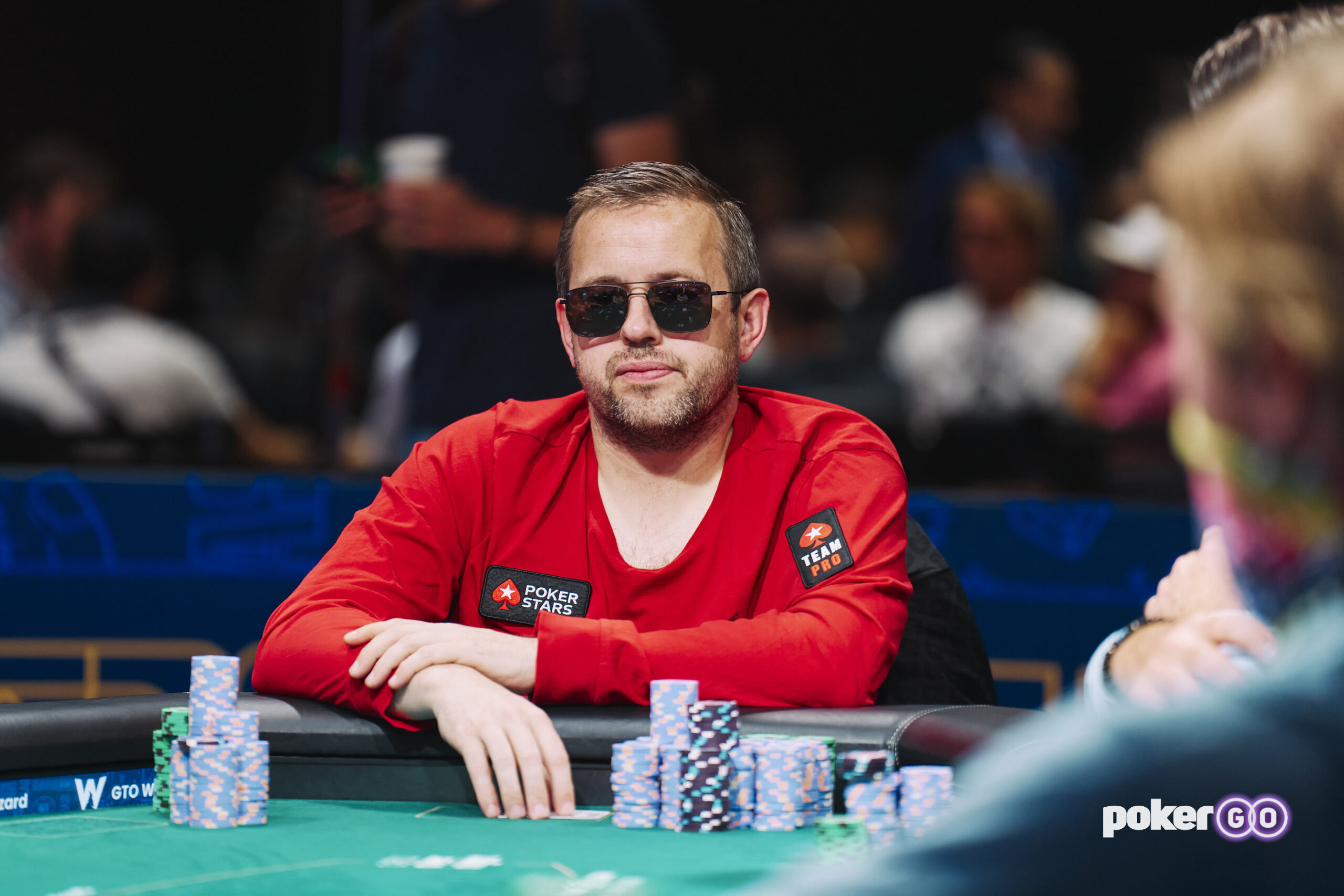
In almost any other year, Kenny Hallaert would be the headline grabber of the 2025 World Series of Poker main event final table. For the second time in his career, the Belgian pro made it to the promised land as one of the final nine players in the WSOP main event field.
It just so happened to be the same summer that Michael Mizrachi made history with not only the main event title, but also his fourth Poker Players Championship. And then there were the headlines made by Leo Margets, who became the first woman since 1995 to reach the WSOP main event final table.
Other players might chafe at the thought of missing out on the solo spotlight in a career-defining moment, but that doesn’t seem to fit Hallaert’s personality or profile in any way. He’s relentlessly pursued success in his own career, to be sure, but Hallaert seems uniquely driven by a passion for poker that stretches well beyond personal gain.
Putting In The Work
Hallaert has served as a tournament director at several different levels of the game. He’s built a player-friendly master schedule for the entirety of the Vegas summer tournament slate on multiple occasions. And in his role as a PokerStars Ambassador, which began a year ago, Hallaert serves as a conduit between tournament staff and recreational players to allow for direct communication and flow of information.
It’s been a great year for the 43-year-old, having won an Irish Poker Open €5,000 event for $160,368. There was also a final table at EPT Monte Carlo for another $122,130. With his fourth-place result this summer in Vegas for $3 million, and his sixth-place finish in the 2016 WSOP main event, Hallaert has just shy of $9 million in lifetime live tournament earnings. He can write his own ticket for however he’d like to spend the ensuing years of his poker career.
Card Player sat down with Hallaert to discuss the wild way the final table played out, how long it’ll take Hallaert to play more poker, and his vision for poker as a whole in the years to come.
Post-Main Event Rest and Recovery
Tim Fiorvanti: What have you been up to since your return appearance at the final table?
Kenny Hallaert: I haven’t played a single hand of poker since, and it’s been three weeks now. I was going to fly out the day after the WSOP ended, but of course, with everything happening, I extended my time in Vegas a little bit. I was home in the U.K. for a week, and I just got back from a 10-day trip with my girlfriend.
A small break, after a very intense few weeks. After the WSOP ends, I’m always taking it easy as that’s been my fixed holiday up until the European Poker Tour Barcelona. In normal years, so to speak, I might have played a few hands of online poker. But I didn’t feel the need.
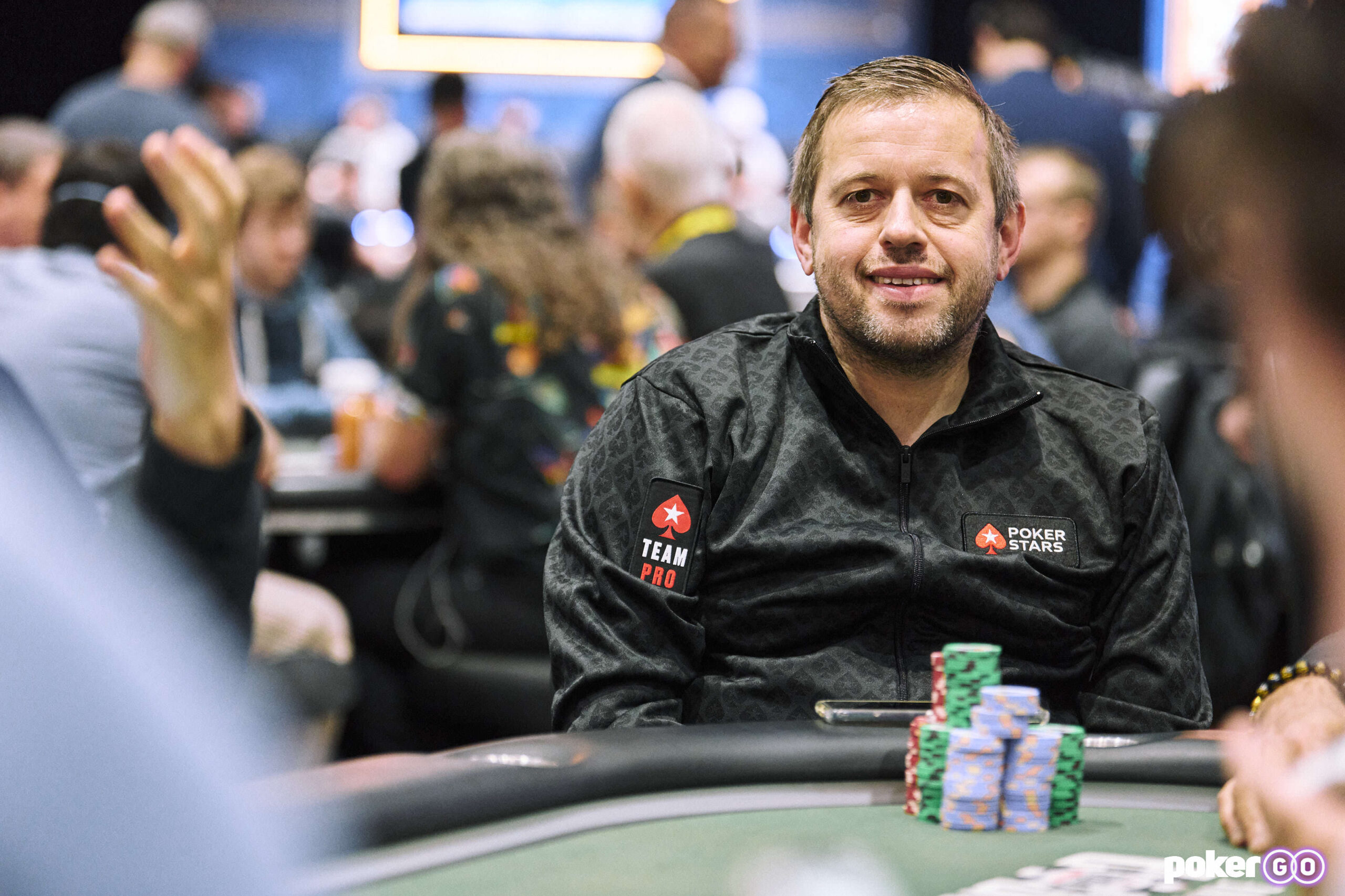
Tim Fiorvanti: A run like that requires so much focus and energy.
Kenny Hallaert: I think when you ask around with everybody who makes deep runs in the main event, pretty much everybody comes up with the same answer, that you barely sleep. And that’s also the case for me. I did get to sleep fairly easily every day, but I would just wake up a little bit earlier each time. It is so tiring.
Relatively short nights of sleep, five or six hours of sleep or something, which is not really enough for optimal recovery. However, the adrenaline that you get from playing makes up for it a lot of the time. There’s so much adrenaline going through you, and you still have that adrenaline for days afterwards.
I’m really curious if someone could measure your cortisol and your adrenaline levels during and after the main event, and see how long it lasts. It definitely took me more than a week to find a normal night’s rest.
Kenny Hallaert’s Main Event History
| Year | Entries | Finish | Payout |
| 2025 | 9,735 | 4th | $3,000,000 |
| 2016 | 6,747 | 6th | $1,464,258 |
| 2017 | 7,221 | 64th | $101,444 |
| 2015 | 6,420 | 123rd | $46,890 |
| 2012 | 6,598 | 323rd | $32,871 |
| 2022 | 8,663 | 862nd | $19,000 |
Tim Fiorvanti: You’ve had a lot of strong WSOP main event runs over the course of your career, and now two final-table appearances. Do you go back and break down tape or go through hands to analyze your play?
Kenny Hallaert: I remember in 2016 it took me a few months before I watched back any of the final table. This time, I’ve already had a small glimpse of some of the action, so to speak. Having been there in 2016 obviously made a difference this time.
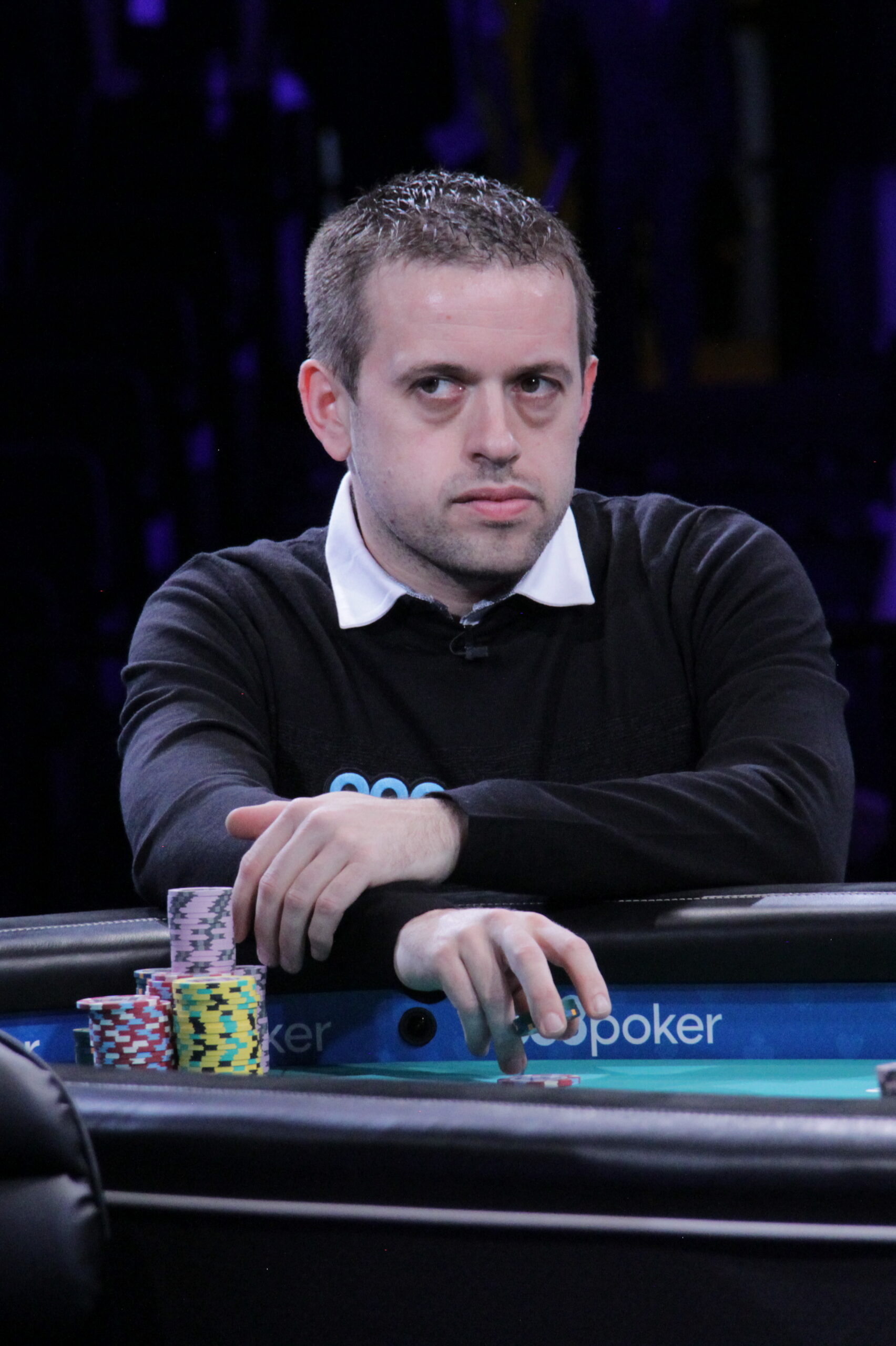
Hallaert in the 2016 WSOP main event
But in terms of study material, how often are you going to get to this specific spot? I think there are way better things to study, like playing online sessions and going through that, or discussing hands with fellow poker players. You’re going to get more out of that than watching the final table of the main event, even if you lived it. It’s such a unique, rare experience, the chances of getting there are close to zero. But I did do it twice.
Each time, I realized it’s so much more player specific, and it’s hard to get a general read on the whole field. In later stages, you have to sit down at the table yourself and try to get a feel and understanding of how your opponents are playing. But there are a few hands your peers see, some of the hands where I might even try to come up with a couple of solutions with the help of some software to see if I potentially could have played hands differently.
Facing Down Mizrachi
Tim Fiorvanti: Some of the big hands at the final table against Mizrachi?
Kenny Hallaert: The A-K that I folded preflop and the K-J that I called off against Mizrachi, lots of players have different opinions about it. I followed my reads for eight days to get to the final table, and I kept following my reads on day 9, and you never know what’s going to happen.
I went with my read in the moment, and was it… wrong? Maybe it was, but it might have been a correct read in the long term. It’s so hard to judge these moments exactly. The rules are different in the main event, because the circumstances are unique compared to any other tournament in the world when it comes to strategy.
But that’s one of the reasons why I love the main event. I played it for the first time in 2008, and every year since then. I will never miss this tournament again. And so far, no regrets, of course, on how things have been going.
Making Adjustments
Tim Fiorvanti: Mizrachi not only utilized an extremely aggressive approach, but he made a lot of hands along the way. How difficult is it to adjust to those circumstances, especially when the stakes are so high?
Kenny Hallaert: I had a plan going into the final table versus the majority of players. One of those players was Michael, like what I would do if Michael is short, what if he is big? How will he approach those spots?
He was really making hands and chipping up quite well, and it felt a bit like he was starting to play in a rush. Michael, of course, is a great player. You’re not going to win seven bracelets, now eight, and win the PPC four times if you’re not a great player. Obviously, massive respect for his game. Yeah, it’s not necessarily a “solver approved” approach. But, I mean, prove him wrong that it’s not a good strategy.
That, for me, is still the beauty about live poker. You can have an approach that might not be approved by a supercomputer. But if it works, it works. There’s many different ways to get to your end goal.
I’m not the best player in the world, but I think in the WSOP main event, I’m performing a lot better, even long term, than a lot of better players than me do. It’s definitely not always a solver-approved approach, either. I do admire a lot of people like Michael, players like Davidi Kitai as well, who have a different approach to the game. That’s what makes the game so beautiful.
What Comes Next
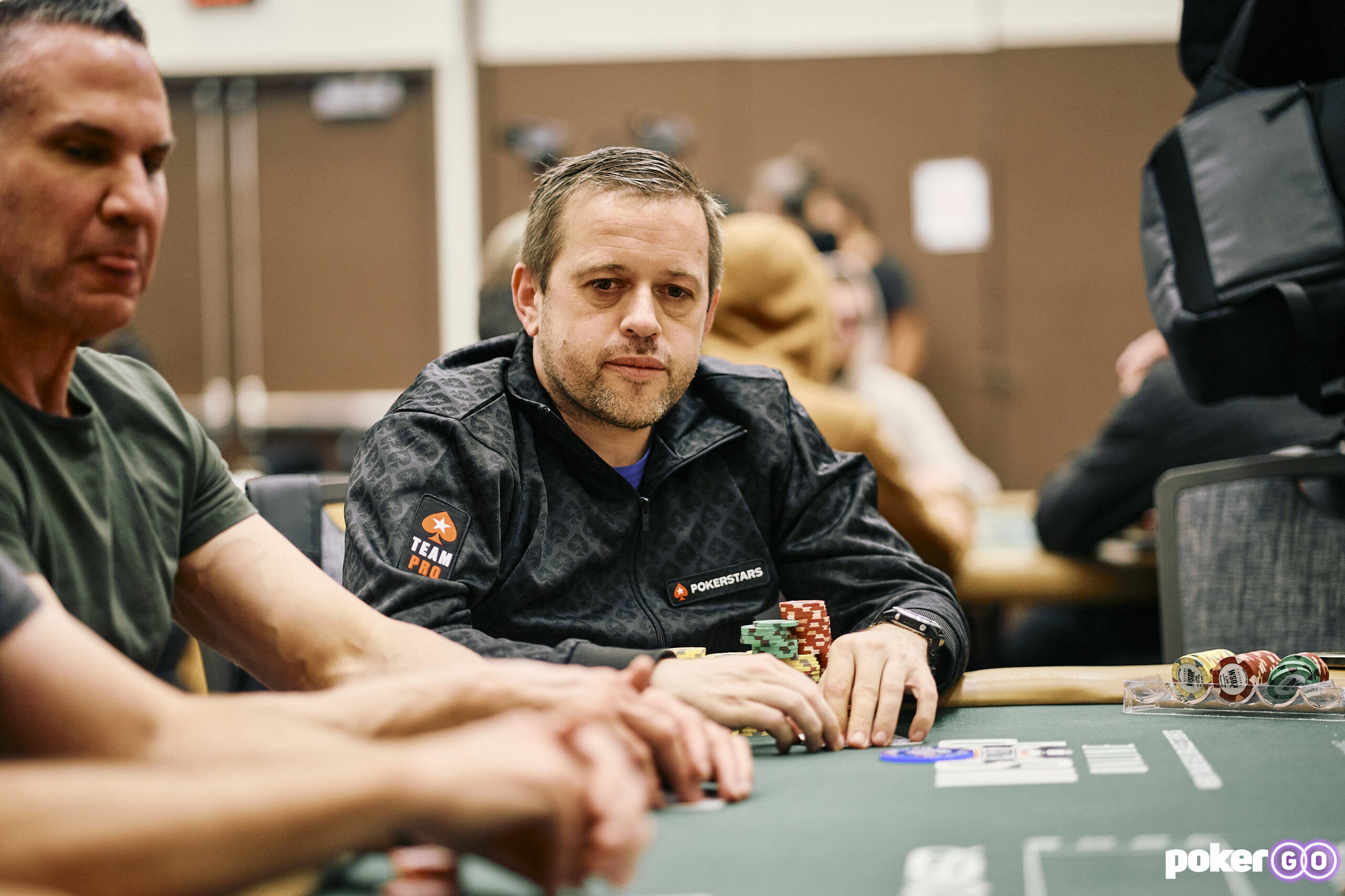
Tim Fiorvanti: How much does $3 million change your trajectory and your plans for the future of your career, short- and long-term?
Kenny Hallaert: I don’t think I will change a lot. I mean, of course, like it is my biggest result so far. But actually, my previous main event in 2016, where I cashed for less, actually had a bigger impact back then, compared to what my bankroll was.
My short term plan is to go for the PokerStars Live leaderboards and actually put my mind on that. I already started that in Monaco. I’m going for the medium leaderboard, which is every buy-in of €1,000 up to €4,999. I will skip all the higher buy-ins apart from the main event.
Like I said, I still love the game. I don’t care what buy-in level. I feel comfortable playing the €10,000 events, of course, I’ve played them many times before, but I like challenges. The medium leaderboard will include EPT Barcelona, EPT Malta, EPT Prague, and the PokerStars Open in Cannes. I will also go to NAPT Las Vegas, and I might go to Triton in Jeju, just to play a few of the smaller events. But that Jeju trip is more because I was planning a trip around Asia around that time, anyways.
Third Time The Charm?
Kenny Hallaert: Obviously, I will be back playing the WSOP main next year as well, because somebody has to be the first one to final table it three times in the modern era. I have to give it a shot, at least.
In the long term, I don’t know. I will never quit poker 100%, I love the game too much. I will always play some events. For the last seven years, when somebody would ask me how long I think I’ll do this. I’ve always said at least one more year for sure, and we’ll see after that.
I still have a goal of winning a major live tournament, and then for me, I feel like my poker puzzle would be completed. It is pretty much completed right now, but yeah, maybe that would just be the icing on the cake that’s missing.
A Dual Role In Poker
Tim Fiorvanti: Part of that long-term equation is that your connection to the game runs deeper than playing all of these events, especially with your history as a tournament director. Your hybrid role with PokerStars seems to be a perfect fit.
Kenny Hallaert: I started working for PokerStars in April last year as their live events advisor. Assisting the live events team with preparation, and feedback afterwards. Making up structures and schedules together with Toby Stone, our tournament director, discussing rules and procedures, observing where there is room for improvement with the live events team.
I’m really enjoying this role. I’ve been working in the poker industry since February 2008, when I started working for casinos in Belgium to do marketing for their poker room. That job, over the years, transformed more into running events. So I became the TD. I worked on the European Poker Tour as a floor as well. Was TD at the France Poker Series, and for Unibet on their Unibet Open Tour.
After COVID, I hadn’t done much, apart from tournament directing a few events. And then came the offer from PokerStars, which I agree fits me well with my experiences as a player and as an organizer, also. I think that’s quite a unique profile in the poker business.
I still have a big passion for the game. And whether it’s on or off the felt, I always try to be there for the players as well, trying to protect the recreational players, especially.
Looking To The Future
Tim Fiorvanti: In that dual role, you have an opportunity to observe the game from multiple perspectives. What stands out to you in terms of the most important issues that could affect the long-term health of the game?
Kenny Hallaert: Sometimes I wish we could go back, let’s say, 10-plus years and just play poker. There are some trends which I don’t think are good for the longevity of poker.
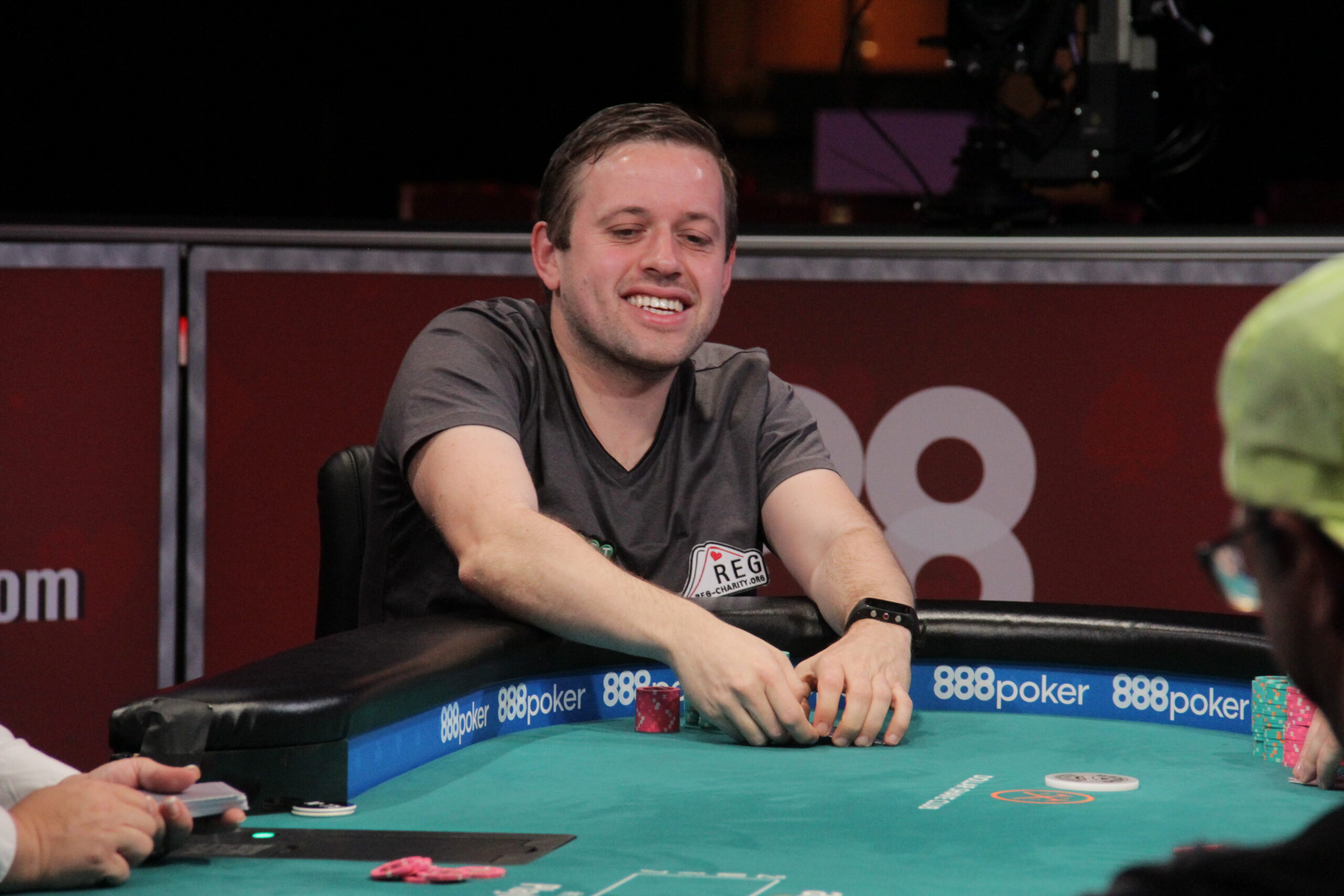
The Biggest Issues
Kenny Hallaert: Stalling, for example. It’s an area of focus where we have to put a lot of attention, and we would rather not commit so much time and resources on it. Our time could be used far better than it is in trying to come up with counter measures to avoid stalling.
I think the general problem with a lot of operators is having registration open for too long, which gives a benefit, too much of a benefit, still, in my opinion. We have mathematical proof that players coming in at very late stages of the tournament have an edge. But the tournament registration is kept open. They’re not cheating, they’re just taking advantage of a loophole that’s created by an operator.
Players trying to avoid paying blinds. Stalling on the pay jumps. All of it is this problem nowadays where every poker player wants to squeeze every single penny of EV out of every situation. I think that’s just not good for the game. Even if it may benefit an individual a tiny bit in the short term, in the long term, the industry faces the consequences.
There have also been some issues with players trying to cheat with these advancing technologies, devices, and cameras, and smart glasses. We try to work with the Tournament Directors Association, where I’m still a board member, and we try to get ahead of it. I’m talking specifically for PokerStars events here, because I don’t want to talk about or judge other operators. But with PokerStars, especially, we have implemented a lot of countermeasures.
(Editor’s Note: In April, PokerStars announced that dealers at all live events would begin sliding cards to players rather than pitching them.)
Giving Back To The Game
Tim Fiorvanti: You seem to care deeply about the game of poker, beyond the scope of your own career. How much pride do you take in the efforts you’ve made to leave a positive legacy in the game, and what direction do you see the game heading in?
Kenny Hallaert: I think it’s been a goal for me, even if I’ve never really thought about it from that angle. I could quit the game and close the door behind me today, and I think I could look back at a successful career as a player, as a successful person in the industry, and be happy of what I achieved, both on and off the felt in the poker world.
The 20-plus years that I’ve been playing the game has created this big passion for me. I started my career running festivals with buy-ins as low as €60. Those players, they knew that realistically, they couldn’t make a long-term living out of it. But they had a big passion for the game. Those players are the grassroots of the poker ecosystem, the baseline of the food chain, in a way.
Maintaining The Poker Ecosystem
Kenny Hallaert: Without all of those recreational players that play on the local level at a very low buy-in, poker wouldn’t be as big at the biggest stages, or be as healthy as it is today. If we want to continue to have long term success in the poker industry, we need to protect those recreational players, and we need to make sure that they, and we, can attract new players to the game.
There are so many great people in the industry, and I think it would be great if we can all work together and try to make the game better. I understand the fierce competition between a lot of operators, but the way it plays out sort of annoys me.
I’m watching from the sidelines with a bag of popcorn, like many others. But on the other hand, it kind of annoys me as well, because I feel like, with all the budget that gets spent with all these confrontational situations, I feel like it could have been spent a lot better by focusing on building something positive. But that’s just my two cents.
Follow Hallaert on Twitter/X @SpaceyFCB.
—
Photos courtesy of PokerGO.