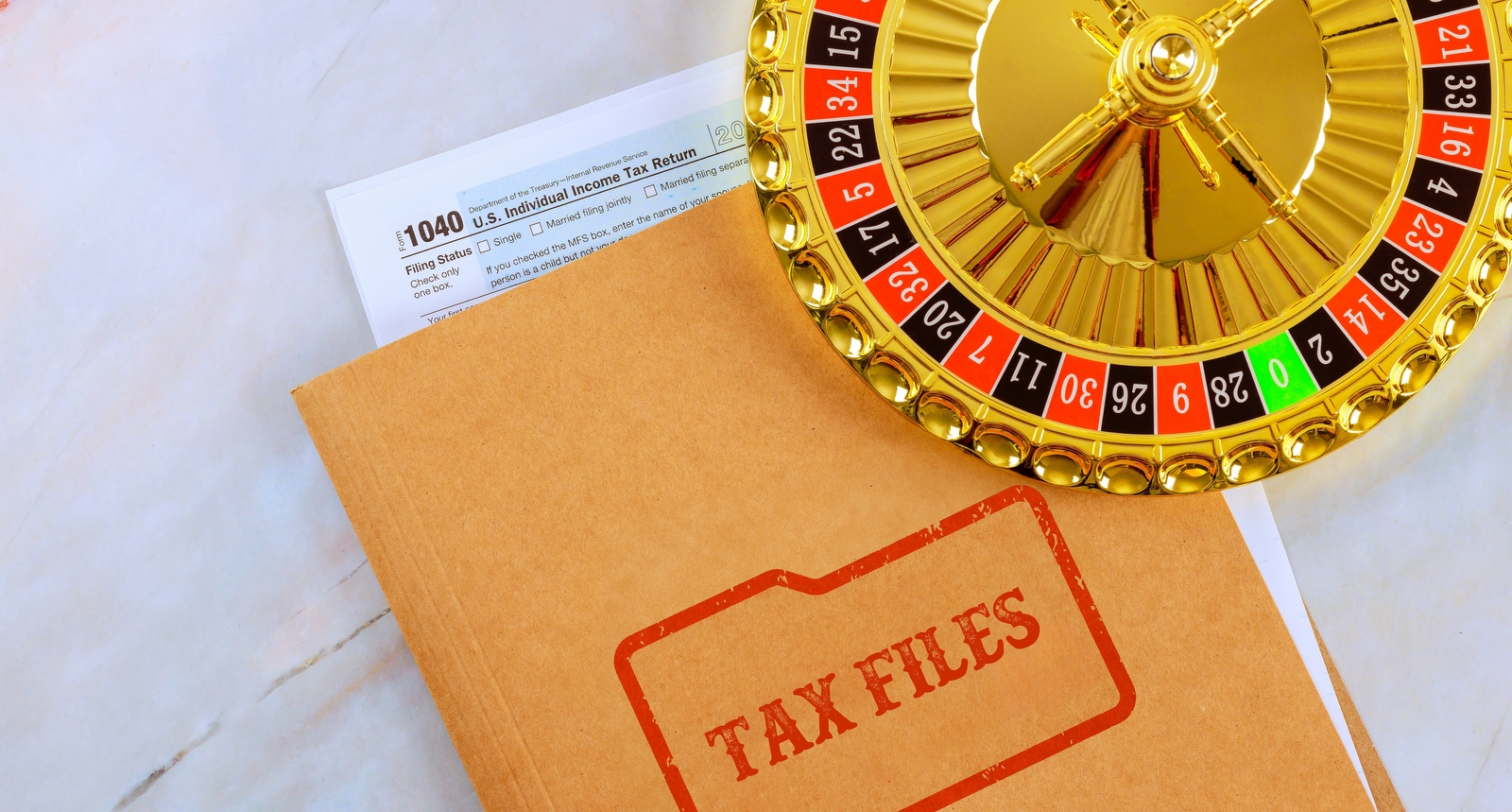
A House Republican filed a third bill to nullify new gambling tax provisions in the “One Big Beautiful Bill.”
Rep. Andy Barr, R-KY, filed a new bill Wednesday to reverse the new tax code that would only allow gamblers to write off 90% of their losses.
Barr filed his bill after Rep. Dina Titus, D-NV, filed the FAIR BET Act and Sen. Catherine Cortez Masto, D-NV, filed S.2230 in the upper chamber. His HR4630 would restore the wagering loss limitation rules.
If Congress doesn’t pass one of these bills, poker players will have a larger tax bill in the future. Previously, breakeven players wouldn’t owe the government anything. However, under the proposed changes, they would owe money depending on their volume.
For example, if a player won $100,000 in a poker tournament. Then, lost $100,000 over the rest of the year, the player could only write off $90,000 in gambling losses. As a result, the player would owe taxes on $10,000 of gambling winnings.
“They’d literally be paying taxes on money they don’t have,” Cortez Masto said. “This makes no sense, and it will do irreparable harm to our country’s gaming industry if it takes effect, especially in Nevada.”
Republicans Getting On Board
Barr becomes the first Republican to introduce a bill to reverse the effects of the bill. The WAGER Act (Winnings and Gains Expense Restoration) would strike “90%” in tax law and insert “100%” in regard to gambling loss deductions in the Internal Revenue Code of 1986.
Industry insiders and poker pros have warned that the provision in the tax and spending bill could have a negative effect on the game and the casino industry as a whole.
The Senate Ways and Means Committee held a meeting in Las Vegas last Friday to discuss the issue. Republican Chairman Jason Smith, of Missouri, committed to reverse the effects of the gambling tax provision.