





Rounder in Poker: Definition, Key Traits & How to Become One
Who Is a Rounder in Poker?
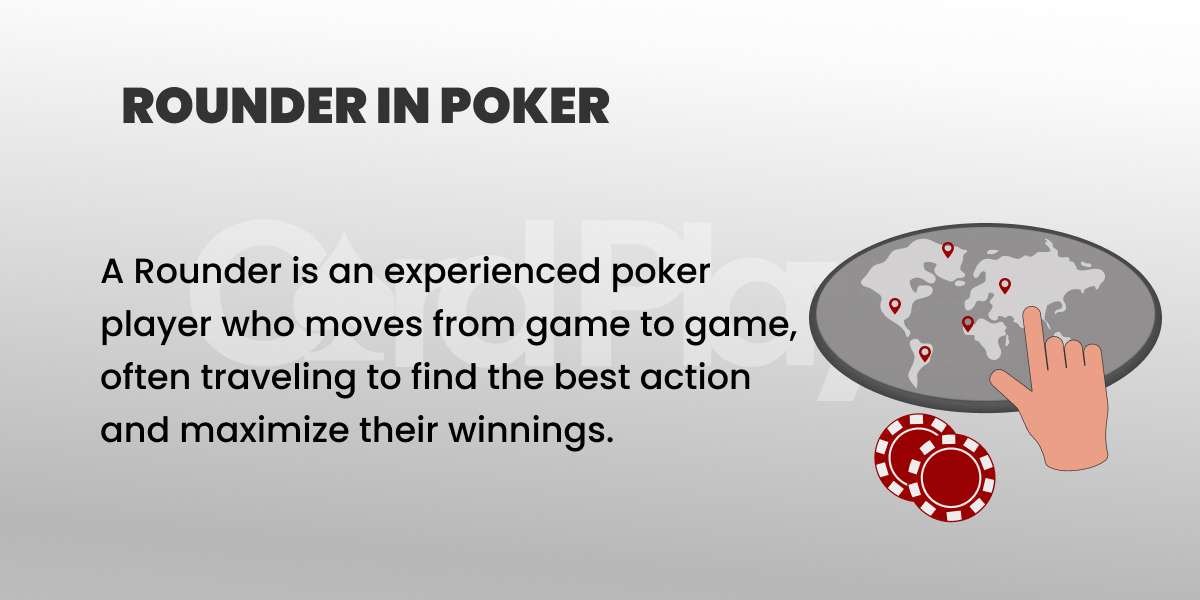
A rounder in poker is a skilled and experienced player who moves from game to game, seeking the best action and softest competition. Known for their strategy and adaptability, rounders embody the professional side of poker.
Rounder in Poker: Key Points
- A rounder refers to a poker player who makes poker their major source of livelihood, rather than just a game for fun and recreation.
- A rounder does not stay at the same casino, the same home game, nor the same city permanently.
- The rounder lifestyle in poker is unstable compared to a regular job. Income swings, travel, and uncertainty are part of the deal.
Understanding the Rounder Lifestyle in Poker
The rounder lifestyle revolves around availability and adaptability.
True rounders structure their entire schedule around game selection. They know which poker rooms have good games on which nights, when the tourists arrive, and where the action players come to play. Unlike recreational players who fit poker around their jobs, rounders build their lives around poker.
This means irregular hours, constant travel between poker rooms, and the discipline to play only when conditions are favorable rather than out of boredom.
What separates a rounder from a casual grinder isn’t the size of the games. What separates a rounder from a casual grinder isn’t the size of the games. Someone consistently playing small-stakes live poker while supporting themselves through winnings fits the rounder in poker meaning, even if they never move up in stakes.
The distinction lies in commitment: rounders depend on poker income, treat it as their primary occupation, and continuously hunt for the best games rather than settling into a comfortable routine at a single venue.
Origins of the Term “Rounder”
Rounders, as poker slang, appeared before poker became popular.
The term originally described a person who lived by his wits, moving around without a residence or a steady employment. In gambling circles, it’s a term that gradually became linked to card game players who shifted between salons and home games, and casinos.
The term has been popularized by the 1998 movie “Rounders.”
Key Traits of a Poker Rounder
Not all pros are rounders, although many share similar characteristics. These traits are the reasons why this lifestyle is effective in reality.
Traits of a Professional Rounder
A professional rounder is a person who treats poker as a profession, not merely as a pastime. This means carefully picking their games and managing their funds. They cannot act impulsively when they lose money.
How Rounders Make a Living
Most professional poker rounders earn their income from playing cash games rather than tournaments. Cash games provide a more reliable source of income, as well as the freedom to choose their own hours. Although the difference may not be noticeable in a single session, it makes a significant difference in the long run.
Travel Patterns And Game Selection
Many rounders tend to jump between casinos, card rooms, and home games.
It all depends on where they think they’ll find the best action. The constant moving around prevents the formulation of fixed lineups. If you want to know how to become a poker rounder, start spending a lot of time in live games.
Rounder vs Grinder: What’s the Difference?
A rounder and a grinder are similar, although not identical. Typically, a grinder involves a lot of play in one place, either online or in a casino, with the intention of playing high volumes of games.
| Aspect | Poker Rounder | Poker Grinder |
|---|---|---|
| Main focus | Finding soft games | Playing at high volume |
| Location | Moves between games | Often stays in one place |
| Image | Old-school, mobile | Modern, structured |
| Income style | Opportunistic | Consistent but steady |
Ultimately, it’s a matter of playing style, and it’s possible to be both a rounder and a grinder. There is no hard line between poker grinder vs rounder.
Famous Poker Rounders
Many famous players lived off the game of rounders before achieving success:
- Doyle Brunson traveled around Texas and the Midwest to play underground games.
- Amarillo Slim also traveled around, challenging wealthy opponents in unfamiliar territory.
How to Become a Rounder (If You Want To)
Being a rounder in poker appeals to a lot of new players, but becoming one isn’t a simple matter of leaving a job and heading for the casino.
Skills required to become a successful rounder
A good rounder always has a solid foundation in fundamentals, including bankroll management, game theory, and reading opponents. Even though emotions are essential, there are bad days, and a meltdown could end a career.
Risks and rewards of the rounder lifestyle
The primary benefits are freedom and autonomy. The drawbacks include financial stress and uncertainty.
Rounder Strategy
Rounders play more to remain safe rather than to get rich.
They avoid ego battles and look for small situations to continue improving their bankrolls. The poker rounder strategy involves playing strong and walking away from bad games. Value betting is necessary when playing against weaker lineups.
In cases involving more challenging line-ups, it’s advisable to give up and go to another game.
Is Being a Rounder Still Relevant in Online Poker?
Online poker has revolutionized the betting culture, but the rounds remain. The rounds have adjusted.
Live vs Online Differences
Online rounders in poker don’t travel from one place to another.
They jump around from one online poker site to another, from one stake to another, or from one type of gameplay to another based on how difficult things are getting for them. Online gaming happens quickly.
You get to play more hands, make more decisions, and play against a lot of different people.
Live rounders, however, are different. They usually travel from casino to card room to home game in search of good games. The action is slower, and the competition isn’t as strong, which is an added bonus. However, there is a price you must pay. You have to pay for gas, food, hotel bills, and time.
Even when you get favorable gameplay, you still pay a price.
Bankroll Management for Rounders
Bankroll management is critical to the rounder – your survival is at stake.
One of the signs of a poker rounder is their money habits. The majority of rounders keep enough buy-ins saved up to keep them going during a losing streak. They tend to act on emotions if their bankrolls are low, caving to the pressure and leaving the game.
One guiding principle is not to use any personal money in poker. Don’t depend on money from a winning session to pay your rent, food, or travel.
Legal & Ethical Considerations
Being a rounder is generally legal when poker is legal.
Issues may arise from playing in illicit card games, failing to report taxes on winnings, or not understanding gambling legislation, which can vary between locations. In terms of ethics, rounders shouldn’t get involved in anything that might damage their reputation.
Burning bridges, carrying unpaid debt, and acting unethically might close many doors.
Pop-Culture Influence: The Movie “Rounders”
The poker movie “Rounders” has influenced people to view the poker lifestyle in this way.
They see big stakes, excellent observation skills, and rapid success. However, life for rounders is much different, with lots of waiting around for a good game. What was shown in “Rounders” was the dream life, not the rounders’ life.
However, it did manage to revive the term “rounder” for a new generation of gamblers.
The Advantages & Disadvantages of Being a Rounder
The allure of being a rounder in poker is evident. The player does have the freedom, flexibility, and independence they desire. However, the cons are certainly there.
Pros
- Income is a function of skills, discipline, and decision-making, and is not dependent on the number of hours clocked behind a desk.
- Lots of travel options.
- You can skip bad games and quit sessions when conditions aren’t good.
- No long-term contracts or commitments, which many players value for their independence.
- No boss telling you when to come in or when you have to go.
Cons
- Income can swing drastically – you could have a good run and then hit a dry spell.
- There are no benefits, such as health insurance or vacation time.
- Future income is uncertain, particularly during downturns.
- The costs incurred for transportation, lodging, and food affect profits, particularly for those focused on live cash games.
- The pressure of success, feeling isolated, and not having permanent security cause mental stress.
This lifestyle is ideal for players who prefer independence over security and possess the mental fortitude to withstand unpredictable income streams.
FAQs
What does “rounder” mean in poker?
A rounder in poker refers to a player who moves between games of poker, travelling to find the best games.
Is being a rounder legal?
Yes, provided you are in a place where poker is legal, and your income is reported.
What’s the difference between a rounder and a grinder?
A grinder looks at quantity; a rounder in poker looks at games of mobility and choice.
Do rounders only play live cash games?
Some rounders prefer online, others prefer live games, and most do both depending on the odds.
Are rounders common in modern poker?
Yes, though lifestyle changed with online poker sites and stiffer competition.
Is being a rounder in poker risky?
It depends. Income swings and lack of stability make it demanding.
What are some well-known historical poker rounders?
Doyle Brunson, Amarillo Slim, and several other poker pros from the early days of the game were rounders.