









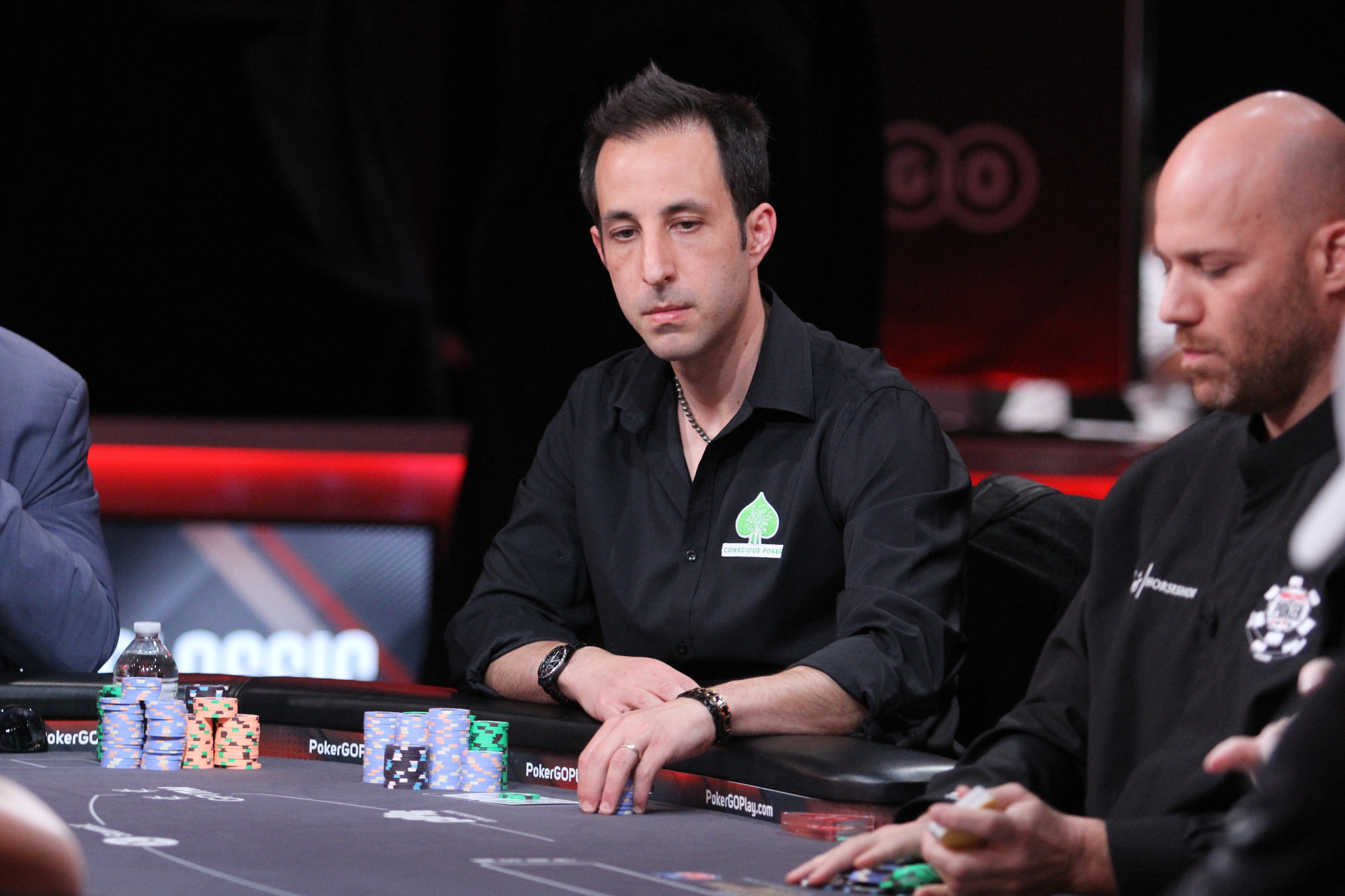
Alec Torelli
I was in Las Vegas for a party to celebrate the launch my new book Advantage Players and, a couple days after the bash, headed over to the Bellagio. There, alongside the pool, I met up with my pal Alec Torelli for a coffee.
A well-established poker pro, in town to play the World Series of Poker, Torelli had just posted a tweet about an offbeat hand that ended with him folding the second nut flush. He wondered whether it was the right play, and found his answer by running the hand on a solver – one of three that he keeps at the ready.
Like a lot of amateurs, I’d have been hard pressed to give up on the hand. The solver assured him that he had made the right call. Or fold, in this case.
Always Learning
Two things about this situation surprised me: that the solver greenlit his fold, and that he was using a solver in the first place.
I figured that Torelli, who began playing high stakes while still a teenager two decades ago, knew enough about poker that he did not need to spend time running hands through his laptop and confirming proper play.
I can see how it would benefit a guy like me. But a guy like Torelli? I assumed he was beyond it.
Wrong.
Not only is he not beyond it on highly questionable hands. But he checks his solvers for many of the hands he plays.
“I type notes into my phone,” Torelli told me, sipping water (he’s abstaining from caffeine for the summer). “After the tournament, I might spend an hour running the hands. Or if I have a day off, I’ll run the hands through all the distributions or until I feel like I have gotten out of them what I can.”
Let It Go
Plus, there’s the psychological component. When there’s a questionable outcome to a hand – and in a game of incomplete information, such is common – salting away the details in his phone allows Torelli to move on from the situation. He is not bogged down in a previous hand when he should be intensely focused on the cards that have just been dealt.
“I could remember the details of 40 hands a day,” said Torelli. “But when you type in the details, you allow yourself to [move on from] the hand because you know it is safe.”
In other words, you don’t need to keep the scenario in your head and risk obsessing over it.
That’s a lesson learned for poker and beyond. When you are in the midst of a stressful situation and you know you will want to do a postmortem on the way things went, writing it down or typing it up for later reference allows you to focus on whatever the job at hand might be. Likely, you won’t second guess what you’re doing in the present because of what happened in the past.
Prior to this chat, when I saw guys like Torelli at a poker table, typing into their phones between hands, I always assumed that they were texting friends or sending progress reports to loved ones (or, maybe, for that matter, their backers). I did not think they were tracking their hands.
In fact, I told Torelli that I’m surprised he has not figured out all things poker after having spent more than half his life in the high-stakes realm.
“Well,” he told me, “I think it’s the opposite. I think I know what I’m doing because I have taken this approach for 20 years.”
Clearly, he does not plan on stopping now – even as the hotel pool offers a respite from the desert sun at high noon.
“Every great player takes some form of process to improve,” Torelli said. “Some people visualize; there are those who talk to knowledgeable friends. But, whatever gets deployed, to be the best version of yourself, you’ve got to put in the work.”
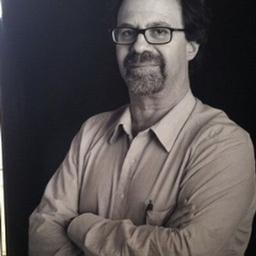 Michael Kaplan is a journalist based in New York City. He is the author of six books including The Advantage Players, and has worked for publications that include Wired, GQ and the New York Post. He has written extensively on technology, gambling, and business — with a particular interest in spots where all three intersect. His article on Kelly “Baccarat Machine” Sun and Phil Ivey is currently in development as a feature film.