




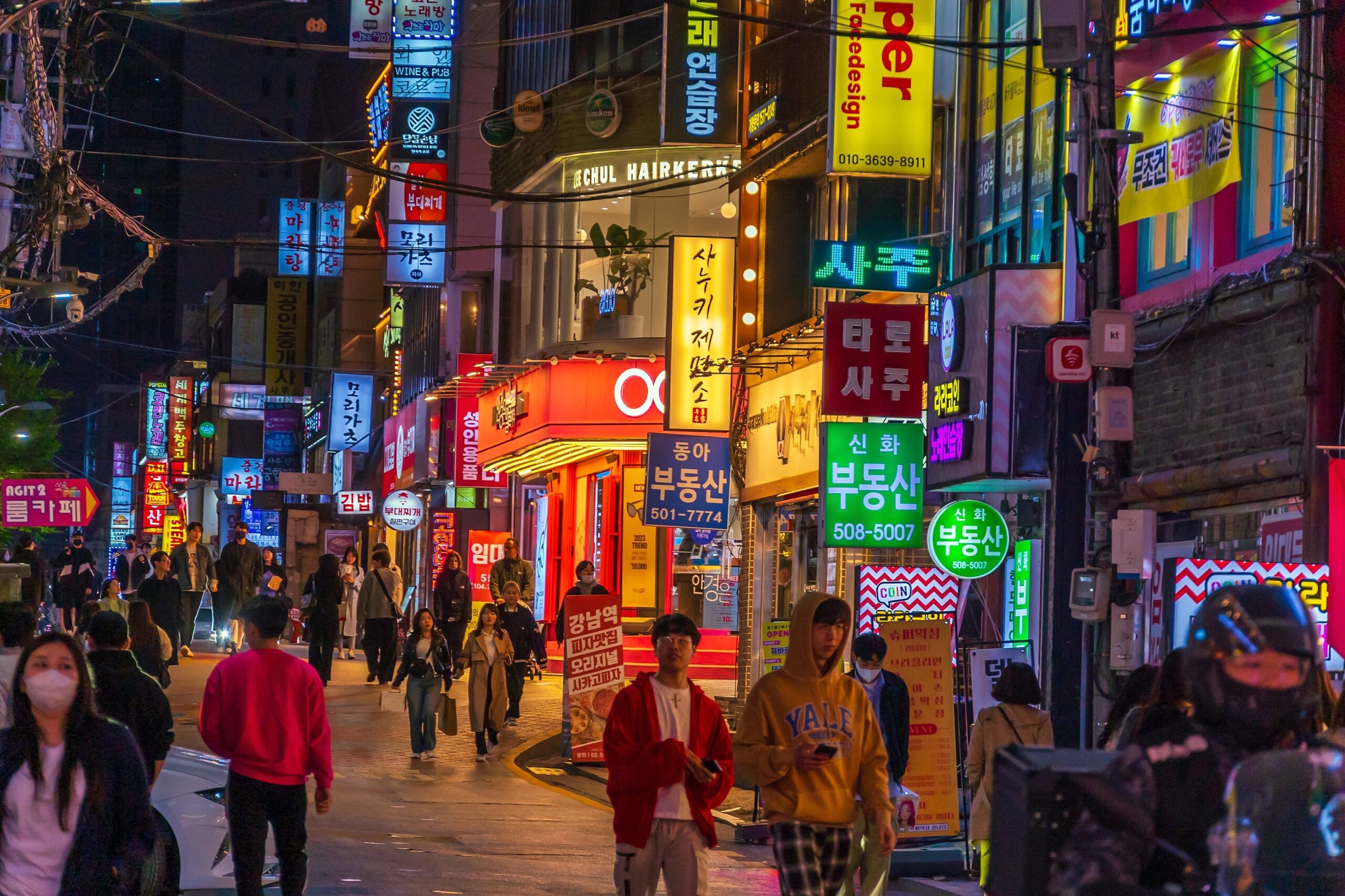
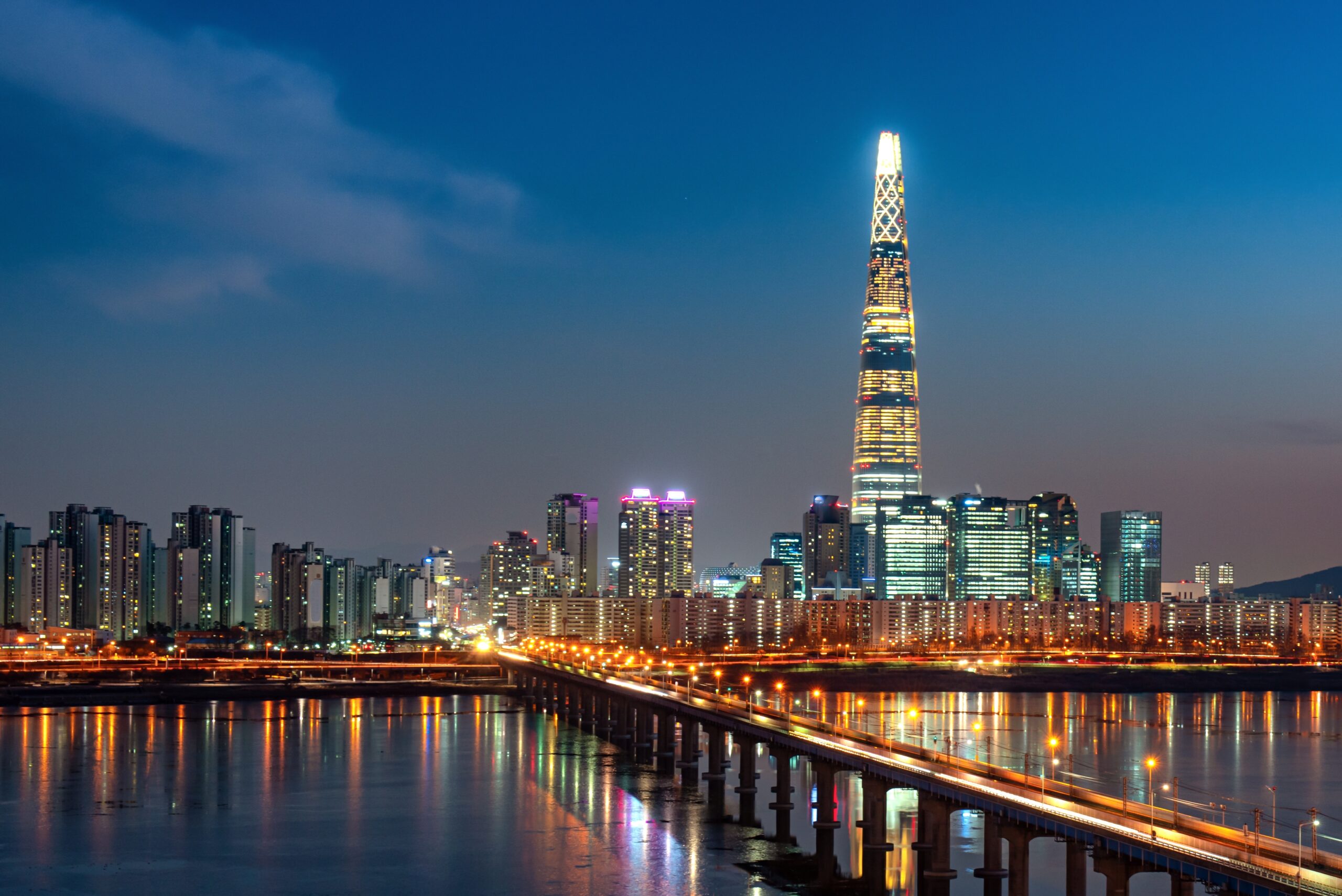
It is midnight in Seoul, the capital of South Korea, a country where poker is almost entirely illegal for citizens. In fact, gaming laws are so restrictive that residents are technically not even allowed to gamble internationally (though plenty of people do it and nobody makes a secret of committing what might be an unenforceable infraction).
Given that, you’d never guess just how popular the game has become. While the culture still focuses primarily on e-sports, gamers can’t get enough of Texas hold’em, Omaha, and even the more obscure variants like Badugi, which was played in Korea long before it reached American card tables.
On this particular night, underground clubs are in full swing (discreetly, of course), private games with local celebrities and wealthy businessmen run in secret locations, and grinders fire up VPNs to circumvent detection and play online. (Their post-play homework is done by obsessing over solvers as they once did for high-consequence math finals.)
There is one legal option for poker players, as long as they don’t care about winning money. A number of overground poker pubs dot Seoul, but there you essentially pay to play, earning food and drink deals, or tickets that can get you into real-money tournaments elsewhere.
Gambling For Thee, But Not For Me
Despite the strict gambling regulations, Korea is still home to nearly 20 brick-and-mortar casinos. These properties, including the Paradise and Seven Luck brands, are only open to tourists. Gaming revenue jumped almost 15% in 2025 to ₩70 trillion ($2.52 billion), putting it on par with states like Maryland and Louisiana for market size.
The one exception is Kangwon Land Casino, located 93 miles from Seoul at the base of a ski resort. In 1995, government officials opened the site to locals in order to revitalize what was once a mining town. As a result, the property has grown into the largest casino in the country, with gamblers filling the 675-room hotel nightly despite the remote location.
Kangwon operates with the motto “paving the way for healthy gaming culture,” but it might be a little too healthy. The place seems to attract few serious poker players from the city.
“It’s too far away and too loud,” one player in Seoul tells me. “I’d rather take my chances playing illegally here.”
The sentiment matches that of poker players in New York City, circa 1990, when there was a surfeit of illegal clubs. Future Hall of Famers such as Erik Seidel, Dan Harrington, and Howard Lederer cut their teeth at spots like The Mayfair or The Diamond Club, rather than make the 125-mile trek to Atlantic City.
It’s twice that distance from Seoul to Jeju, which is considered the Hawaii of Korea. The island is part of a self-governing province that has eight casinos, and has become a hub for big buy-in poker tournaments. The Asian Poker Tour, World Poker Tour, and Triton Poker Series have added stops to their tours. Players travel from all over the globe to compete, except Koreans, who are forced to watch from the sidelines.
But canny high-stakes pros have some alternatives. Seoul is home to some really big, really private games. A source, who asked not to be named, tells me I would never get to see these games on my quick trip to Seoul. In short, they are the closest thing to a Molly’s Game set-up that one will encounter.
“They’re not open to the public. You get introduced by someone, walk in, and will probably see some familiar faces there, like celebrities,” says the source. “The buy-in can be up to $100,000. It’s a very big game. Probably the biggest game you’ll ever find in Korea. And the host gets to decide everything. Like whether you’re in, or whether you’re out.”
Living The High-Stakes High Life
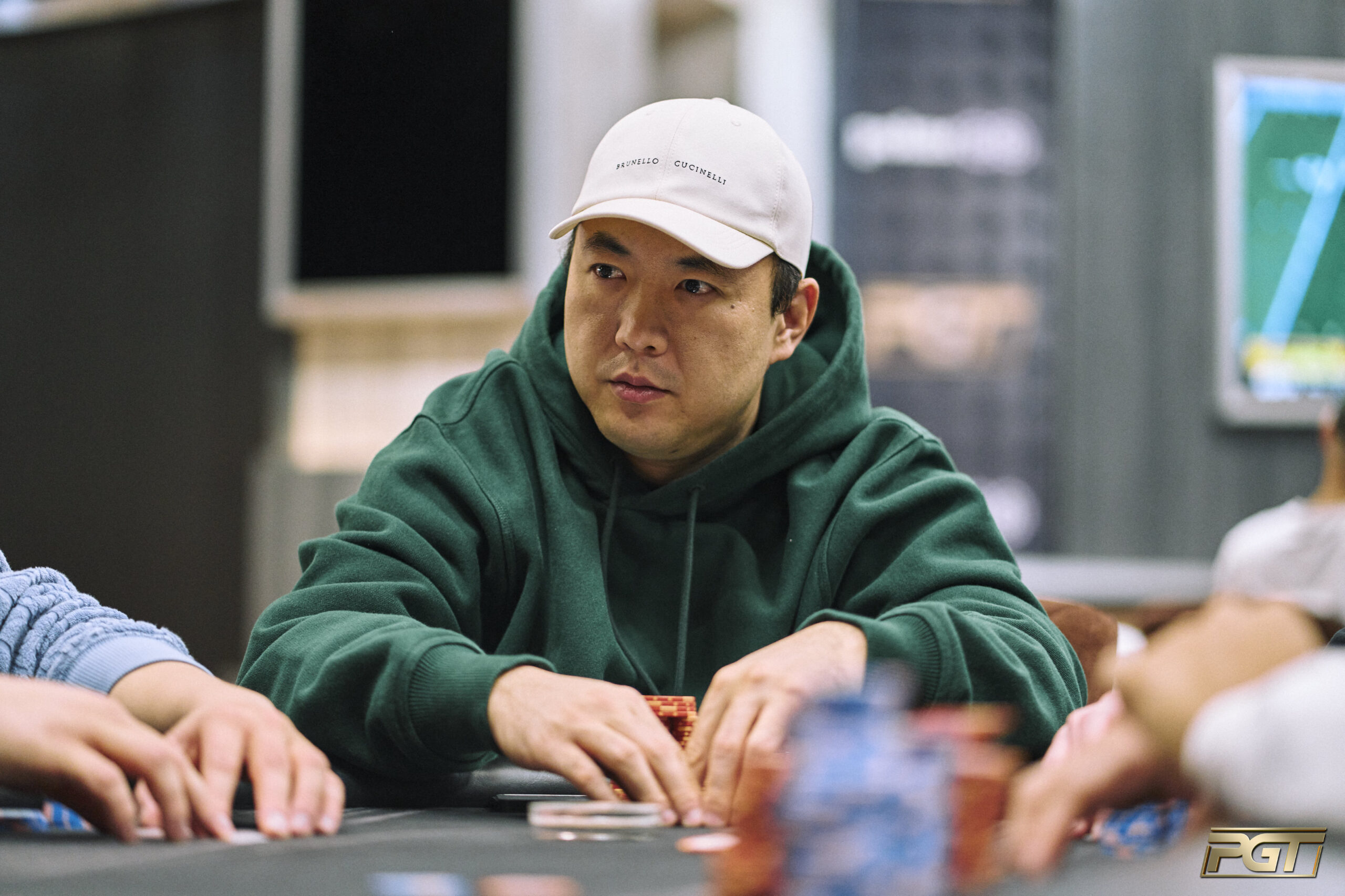
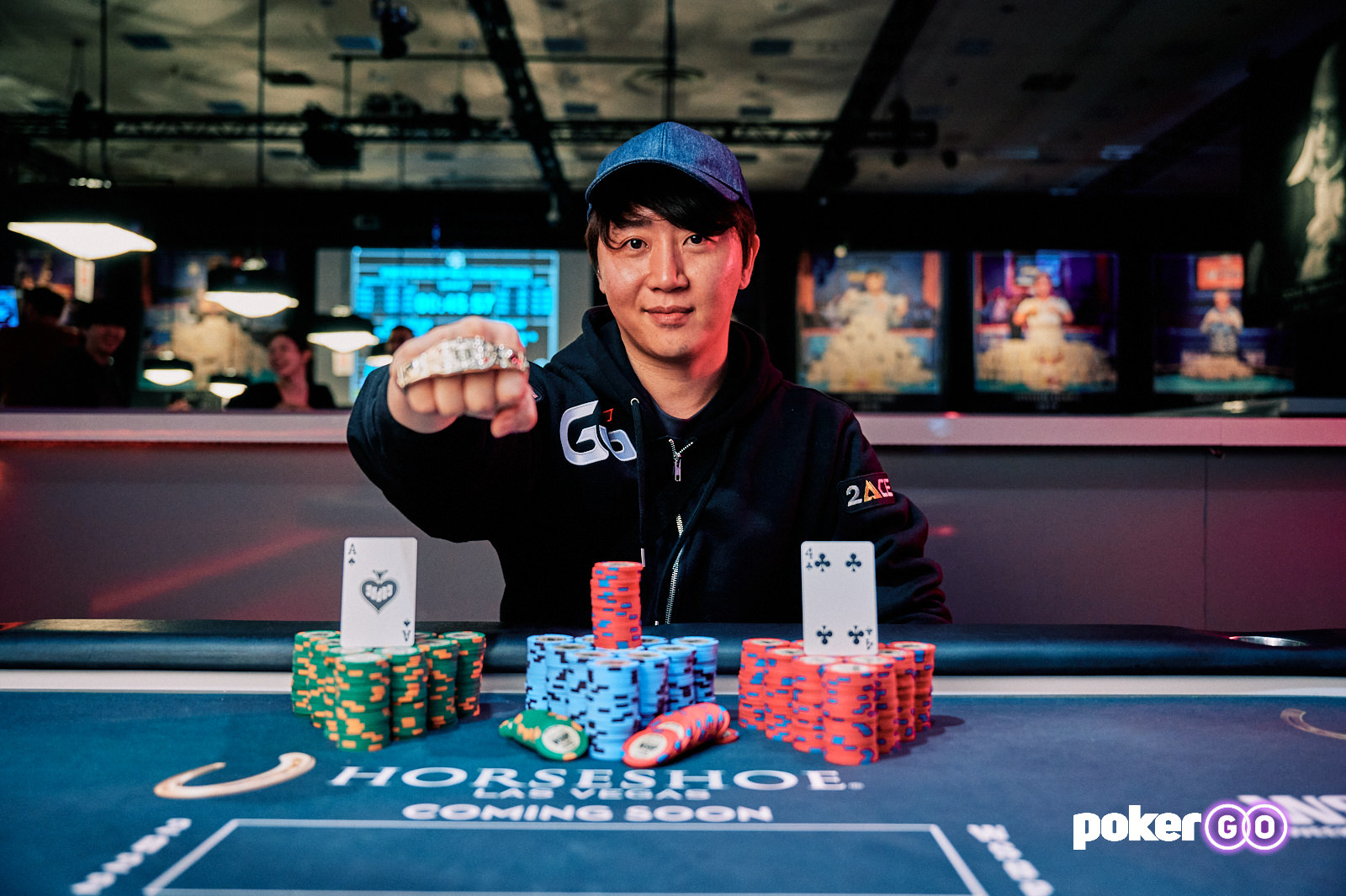
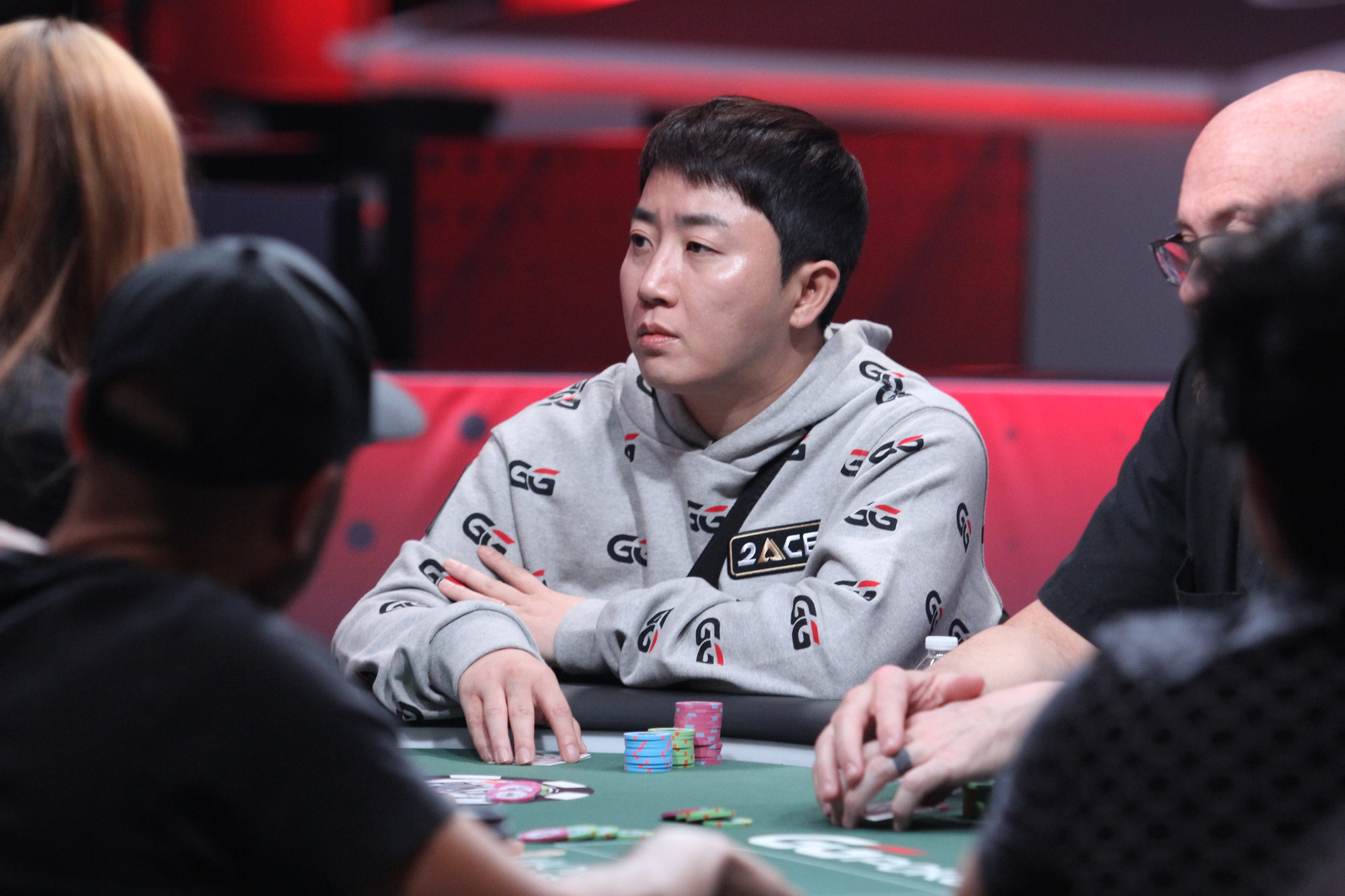
Steve Yea has no shot at playing in those juicy nosebleed games. As one of South Korea’s top pros, the buy-in isn’t the problem. He’s just too good.
“If you’re too good, they don’t want you,” said the source. “Why would they? These are people who don’t care about the money, amateurs. It’s not like you are a pro in a casino who can walk in and play whatever pleases you.”
“I wish I could play in the private games,” Yea confirms with a tight smile.
Yea has mixed it up at every level. He even plays in the pub games, either as a social pursuit with friends or in exchange for appearance fees. (He’ll sometimes get paid as much as $2,000 for showing up and participating.)
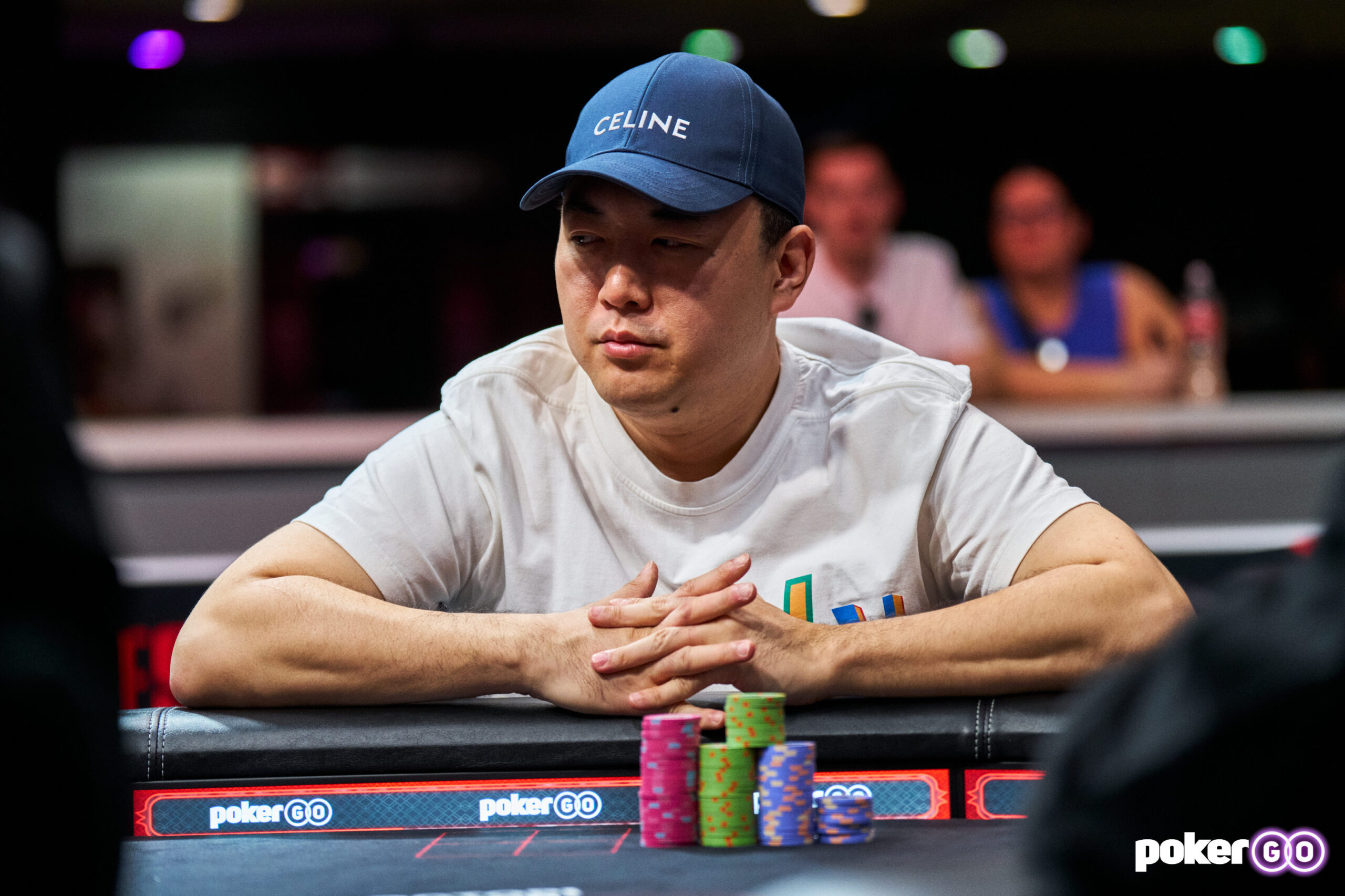
He knows the scene well, and poker has paid off handsomely. Taking shots at the tables for 20 years, Yea lives in a stylish part of town, tools around in a pristine white Mercedes, and shows off his fashion bonafides with a hat bearing a big C logo.
I ask him if it stands for Chanel. He explains that it’s Celine, a premium French luxury brand that does not have a presence in my closet.
I bemoaned my luck that I was unable to snag reservations for my wife and I at either Born and Bred or Mingles, two of Seoul’s top restaurants. Yea, an avowed foodie, casually talks about having eaten at both numerous times.
He’s just ordered steak for two, along with a pair of pasta side dishes at Osteria Eden, a done-up Italian restaurant in a ritzy stretch of Seoul. We’re there for a chat and a bite, washing it all down with glasses of soda.
The Making Of A Korean Poker Pro
While waiting for dinner, the first thing I wonder is how a player gets sharp in a city where poker is verboten. For Yea, it started with the computer game StarCraft.
“I was a good amateur gamer and knew many players who turned to poker,” he tells Card Player, rattling off examples like ‘ElkY’ (Bertrand Grospellier), ‘Rekrul’ (Dan Schreiber), and a guy he calls ‘Spunky’ (Kyu-Hoon Hwang). There was also Jin-ho ‘YellOw’ Hong, a top StarCraft pro and reality TV star who successfully made the transition to poker and even won a World Series of Poker bracelet in 2022.
“I saw the pro gamers starting to play cards and figured it was something I could do,” Yea recalls.
His StarCraft skills were surprisingly transferable to poker, which explains why other Korean gamers, including Lim “BoxeR” Yo-hwan and Guillame “Grrrr…” Patry (a Canadian who relocated to South Korea for computer-gaming purposes) also made the jump.
“When grinding on online poker platforms, the multi-tasking skills I established as a pro-gamer allowed me to manage multiple tables simultaneously,” Hong explains to Card Player. “Additionally, [by recognizing subtleties that are only slightly evident on the computer screen], I can read an opponent’s psychology, infer their thoughts, and calculate optimal moves to insure wins. That aspect felt very familiar to me.”
Yea was on track to become a doctor around 2006. He recalls that as the time when the Moneymaker effect hit Seoul and poker began to blossom, federal laws be damned.
Criminals leveraged opportunities. Underground poker dens with names like Bugsy, Rounders, and Chips Enjoy were launched. Neophyte players flocked. Yea started slacking off on his med-school classes, got poker advice from Schreiber and Spunky (he says ElkY never had time) and bought in. He attributes a propensity to not tilt and natural math skills for giving him an instant leg up against the not-very-good arrivistes.
“I started winning right away,” he says. “I never went broke from poker, but I was up millions and down millions at crypto. [Comparatively] speaking, poker is actually a safe job.”
Risking A Ride On The Seoul Underground
Relatively safe. There was that one night when 20 gangsters began fighting each other in the club before the melee spilled out onto the street.
Poker is not viewed positively in South Korea, similar to how the game was seen in America decades ago. But the bad rap creates an upside for sharp pros.
“Many people in Korea think of poker as [pure] gambling,” explains Yea. That mindset keeps underground competition soft and allows talented players to overcome the egregiously high rakes. “They know they should study, but instead they just play. It’s a big problem for them.”
Despite high rakes and some operator funds going missing, the police raids, and spontaneous brawls that sound worthy of a Tarantino chop-socky tribute, Yea overcame it all to earn a living in the game’s illicit quarters.
“I quit medical school to play poker full time,” he admitted. “I loved poker so much that there was one time where I played for five days straight, barely slept, and won $20,000, which was a lot of money for me back then.”
Yea has since played in big-time tournaments around the world, racking up nearly $3.4 million in prize money, but he mainly focuses on cash games. His travels have taken him to Macau, Manila, Las Vegas, Southern California, and the European circuit in pursuit of action.
“You have to travel,” he says, explaining the reality that one can only go so far in Seoul. He’s outgrown the underground clubs, stakes-wise, won’t get invited to the juicy private games, and restricts his online play to CoinPoker where he has a sponsorship deal.
“Grinding online is first, then you study and play the undergrounds,” he says when asked to reveal the path to the top. “After that, you go overseas. For me, Macau has the best games and Southern California” – with proximity to Vegas and the Commerce Casino – “is the best lifestyle.”
Why not move to one of those more poker-centric locales?
“Korea is my home,” Yea affirms. (He already commented to me that US dollars go farther in Korea.) “I also have friends here who are not involved in poker. But I do end up spending more time overseas than in Seoul.”
Such is the life of a Korean grinder who needs to find places to ply his trade.
Korea’s Main Event Finalist
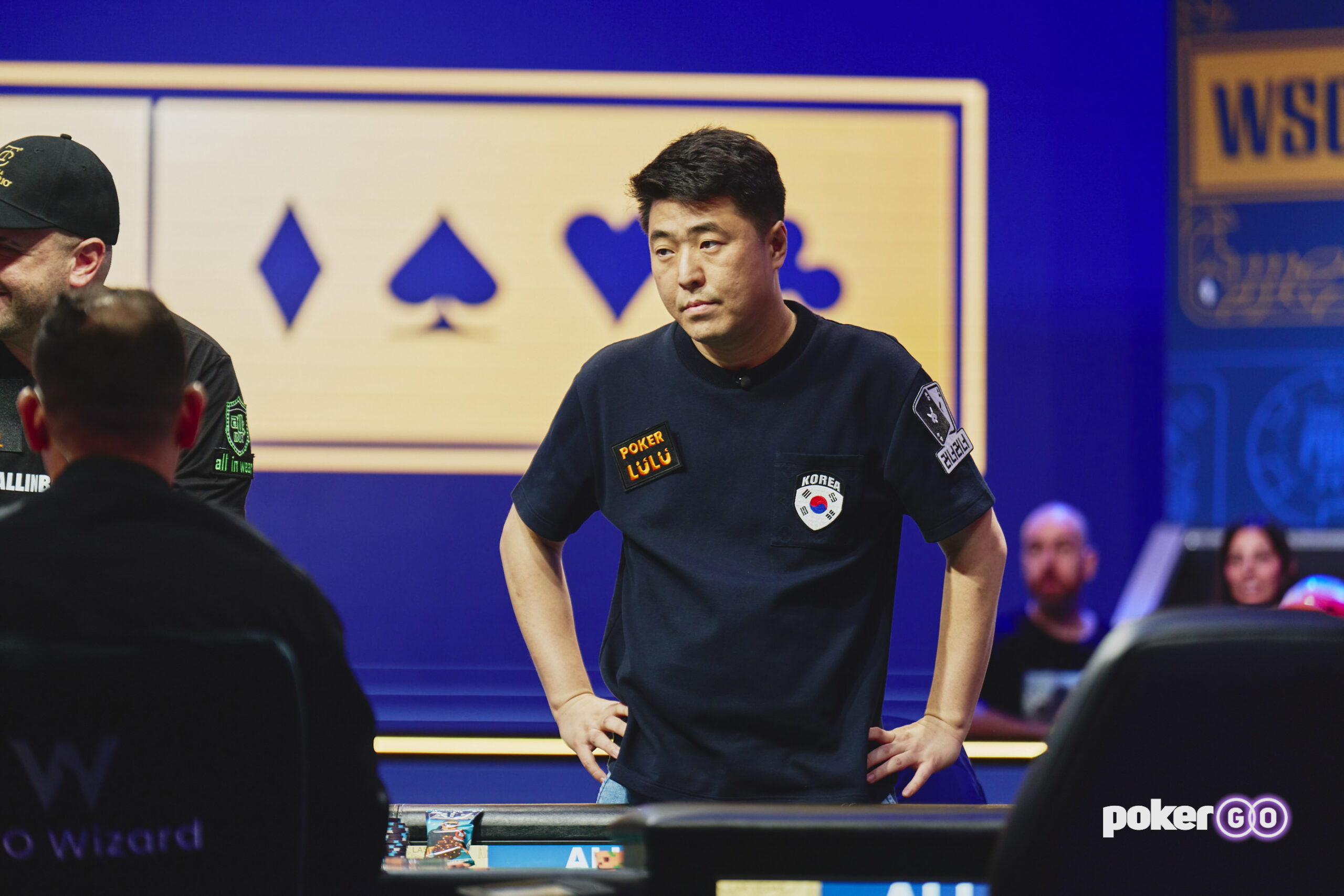
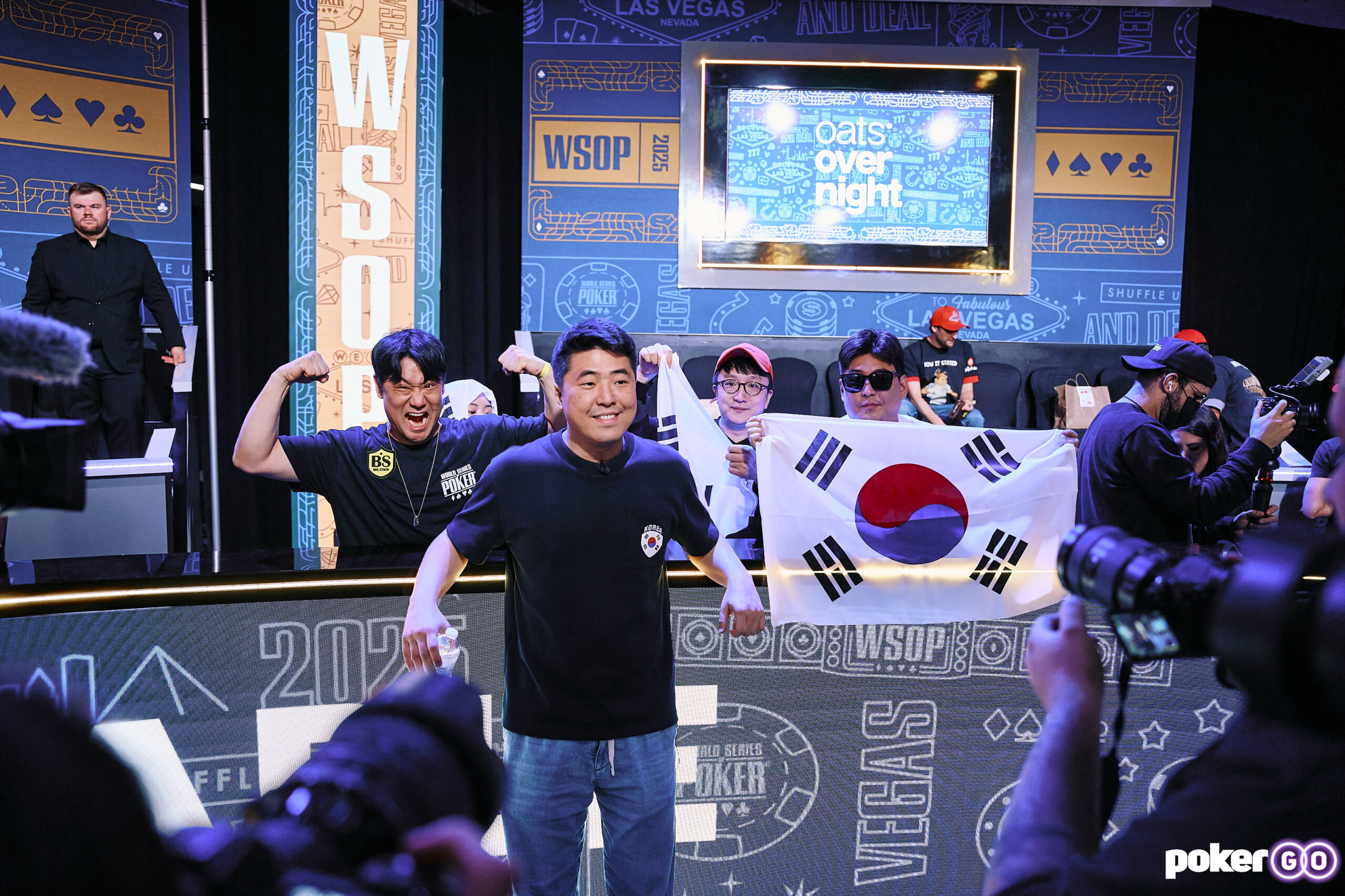
More publicly, last year Daehyung Lee became the breakout player from South Korea, final tabling the WSOP main event.
“This is my first final table of my poker career,” he said at the time. “Usually, Korean people cannot distinguish cash games and tournaments. So, the image of poker is not good in Korea. If I make a good result, I want to help improve the poker environment and image in Korea.”
Without meaning to, Lee made a statement that runs parallel to Yea’s observation about Korea’s rec players equating poker with standard casino gambling.
Days after Lee revealed high hopes, however, things ran counter to plan. Lee was not only first to bust out, but he lasted just one hand. He raised under-the-gun with A-Q offsuit and was called by John Wasnock with pocket fives. The flop came queen high, but also with a five, and that was all she wrote.
In the wake of his elimination, looking a little whiplashed and hopefully salved by the million-dollar take-home, Lee told the WSOP, “It would be a lie if I said I wasn’t disappointed.” Then, in classic Korean fashion, he added, “I am very honored” and vowed to party with a posse of friends who had flown in to watch him play his single hand.
Yea acknowledges that he was rooting for Lee. He adds a bit cryptically, “If he won, it would have been good for me.”
More Than One Way To Be A Pro In Seoul
Not all of Korea’s successful players are in the spotlight. Some carve out under-the-radar specializations that are as Korean as kimchi. The local insider who speaks with me on the sly, recounts the tale of a former business executive who lost his job over his poker obsession.
“I told him he would have to grind in the clubs,” my source recalls. “I knew he was good enough to do it, but not to go far beyond that. So, he had to play as many clubs as he could, put in as many hours as he could.”
Now the guy is making a living as a poker pro, working up to 10 hours a day – which makes the game as life-consuming as a fulltime job. But he loves live poker and doesn’t care.
“He rents a nice apartment but can’t buy one, because he can’t explain where the money comes from,” continues the source. “In fact, he doesn’t want anyone to know [what he does for a living]. So, he does not spend a lot of money on his car or his clothes.”
In a city where poker is viewed as anything but glamorous, the grinder looks the part.
“He’s very quiet, never gets under people’s skin and is always the guy they call when a fifth player is required,” says the source, explaining that staying in line is part of his job. “He’s a natural: very likable and low-key.”
Dogs, Coffee, And Poker
On one of my nights in Seoul, I get a call from Lad Park. He’s a player and a well-known poker commentator in Korea. He does everything on the up and up, is knowledgeable about the game (locally and globally), and maintains serious discretion. I could see him one day becoming the Korean equivalent of Mike Sexton.
Park asks me if I am comfortable around dogs. Not sure what’s coming next, I tell him that I am.
We end up sipping coffee in an offbeat café that encourages people to bring their pets. Considering the contrast against America – where you can play poker anywhere but dogs aren’t welcome – I can’t help but ask him what he makes of Koreans who want to be the next Steve Yea.
“Someone local who aspires to be a poker player? I tell them don’t,” Lad explains to me. “You probably won’t make it. It’s one in 10,000 people who succeed, going beyond earning just enough to pay the rent here.”
Then he said six words that pretty much salute people like Yea, Hong, and Lee. At the same time, those words would make an up-and-coming gambler – who has ego, a belief in his own destiny, and the realization that you will get better – resolute to do the very thing he cautions against.
“It requires a very rare talent.”
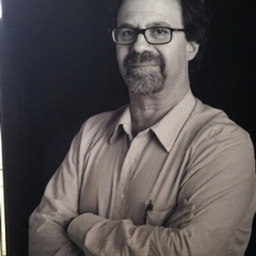 Michael Kaplan is a journalist based in New York City. He is the author of six books including Advantage Players. Kaplan has written for Wired, GQ, and the New York Post, where he is currently a senior features writer. He has focused extensively on technology, gambling, and business — with a particular interest in spots where all three intersect. His article on Kelly “Baccarat Machine” Sun and Phil Ivey is currently in development as a feature film.
- Photos by PokerGO (Antonio Abrego, Miguel Cortes) — Shutterstock (Sayan Uranan, f11photo) — Card Player (Erik Fast)