







Gambling: Definition, Types, Rules & Essential Information
What Is Gambling?
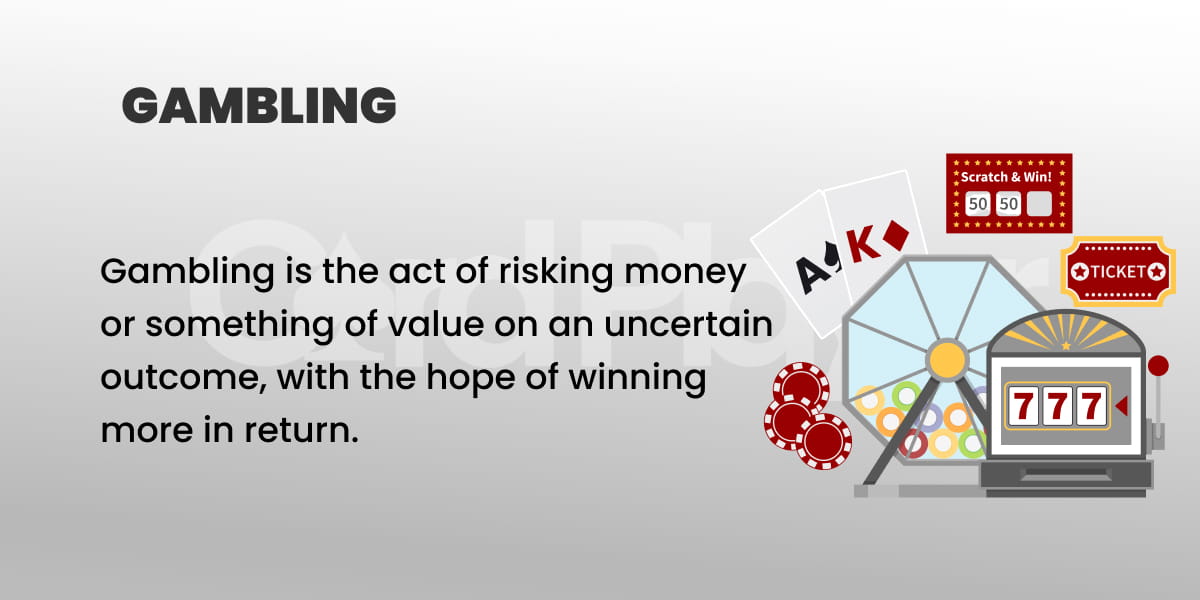
Gambling is a simple trade: you’re risking something you value – usually money – on an event with an uncertain outcome.
The core of gambling is uncertainty. Once the chips are in or the ticket is printed, the control is out of your hands. You’re paying for a chance to win more, while fully accepting that you can walk away with nothing.
Gambling takes many forms: casino games, sports betting, poker, lotteries, and online gambling. Each involves the same basic principle of risk and reward. For example, take poker. Every time you put chips into the pot, you’re gambling because you can’t control which cards will be dealt or how your opponents will respond.
Gambling: Key Points
- Loss is always a possibility. When you gamble, you must accept that the money you risk could be gone for good.
- Wins are never guaranteed. Since the outcome is beyond your control, there’s no way to ensure you’ll come out ahead.
- The appeal is the potential reward. A successful bet pays out more than what you originally risked, which is what makes gambling enticing.
The Three Elements of Gambling
For something to officially count as gambling or online gambling, you need three specific pieces to be in place. If one of these is missing, you’re just playing a game or making a safe investment.
Consideration
This is just a fancy word for the bet. It’s the money or the chips you put into the pot since you have to put something at risk to start gambling.
Risk
This is the chance part. There has to be an element of uncertainty. If you knew exactly who was going to win a football game before it started, betting on it would not really be gambling in the traditional sense because the risk is gone.
Prize
This is the reward. It’s what you get if your prediction comes true. In poker, this is the pot of chips in the middle of the table.
Types of Gambling
The term gambling covers a lot of ground, and people choose to risk their money in different ways. Here are the most common forms it takes:
- Lotteries: These are probably the most accessible. You’re putting down a small amount of money for a prize that depends entirely on luck, whether it’s a scratch-off or a big jackpot draw.
- Sports betting: This is all about predicting what happens on the field. You might bet on who wins a game, the final score, or even specific player stats.
- Gambling games: Classics like roulette and slots are the go-to for many. These games are designed to be unpredictable, where the outcomes are driven by chance rather than by how well you play.
- Card games: Games like online poker and blackjack are a bit different because they mix luck with strategy. You’re still risking money, but your decisions, how you play your hand, and how you read other players actually matter.
- Online gambling: This is the fastest-growing category because it brings everything – casinos, poker, and sports betting – directly to your phone or laptop. You get the same experience as a physical casino without leaving your house.
Online Gambling vs. Gaming
The terms online gambling and online gaming are often used interchangeably, and there’s a big difference in what you’re putting on the line and why:
- Gaming: It is all about playing video games like Fortnite or Call of Duty. You sharpen your skills and unlock trophies. You are just playing for the win.
- Gambling: You’re putting something of value – usually cash – at risk for the chance of a payout. The outcome is never fully in your control.
Is Poker Gambling?
Technically, poker is gambling, since you are putting money into the pot, and the outcome of the cards that are turned over is random.
Poker is different from other games because it’s a peer-to-peer game. You’re playing against others. Here, you have control over your game, which you would not have when playing slots, because you can make decisions about when you bet or fold.
Skill-Based vs Luck-Based Gambling
Here is a quick breakdown of how knowledge and strategy stack up against pure chance:
- Luck-based gambling: In these gambling games, the outcomes are entirely random. No amount of practice or “system” will change the results because you can’t influence the mechanics. Take roulette, for example – you can spend years at the table, but you still can’t predict where that ball is going to land.
- Skill-based gambling: In games like poker or sports betting, your knowledge can actually help you win. Luck is still present here, but a seasoned pro is much more likely to come out ahead over the long run than a beginner.
Why Do People Gamble?
Most people gamble for the excitement.
There’s a rush of chemicals in your brain when you are waiting to see if you won. For others, it’s a social thing. Sitting at a poker table is a great way to socialize and spend time together. Some people do it because they love the challenge of math and the thrill of trying to outsmart an opponent. It’s about the competition. Of course, some people do it because they hope to get rich quickly, which is usually where the trouble starts.
It’s possible to win from gambling, but it isn’t guaranteed.
Is Gambling Legal in the US?
Both traditional and online gambling in the USA are legal, but it depends on where you are.
States, such as Nevada, allow almost everything. In others, you can be limited to playing the lottery or betting on horse racing. Some states have stricter approaches; Alabama, for example, outlawed all forms of gambling. However, the rules and regulations governing online gambling are constantly evolving. Some states now permit online poker and online sports betting, while others completely ban them.
You should always check the local laws before you place a bet.
Common Gambling Mistakes
- Chasing losses: Occurs when you continue to gamble after losing money in an attempt to recoup your losses. Chasing losses usually leads to even bigger losses and poor decision-making.
- Gambling while emotional: Playing when you are frustrated, angry, or tilted often results in irrational bets and mistakes. A clear mindset is essential for responsible gambling decisions.
Responsible Gambling
Responsible gambling means playing in a controlled and mindful way.
You should gamble only with money you can afford to lose, and set clear time limits before you start playing. You can easily lose track of time when you’re focused on the game. If you notice that you’re struggling to stop or feel pressured to keep playing, that may be a warning sign.
Playing responsibly also means recognizing when it’s time to take a break or step away completely.
If the game starts to feel like it’s controlling you instead of the other way around, walking away is the right decision. Professional help and support groups are available if you’re wondering how to stop gambling.
FAQs
What is gambling?
Gambling involves betting money or valuables on an uncertain outcome, with the hoped-for goal of winning additional money or valuables.
What are the three elements of gambling?
The three components are consideration (the amount of bet), risk (the chance), and the reward or prize (the benefit of winning).
What are the types of gambling?
Common gambling games include casino games such as slots and blackjack, sports betting, lottery tickets, bingo, and card games such as poker.
How old do you have to be to gamble?
In the US, it’s either 18 or 21 years old, but it varies depending on which state you’re in and what gambling activity is permitted.
What is gambling addiction?
It is a mental health disorder in which a gambler cannot stop gambling even though gambling negatively affects their life and finances. If you or someone you know struggles with gambling addiction, learning how to stop gambling through therapy, support groups, or helplines is crucial.
What’s the difference between gambling and gaming?
Though gambling always involves risking money in hopes of a successful gain, gaming often refers to playing electronic gaming or video games, when no money is being risked.